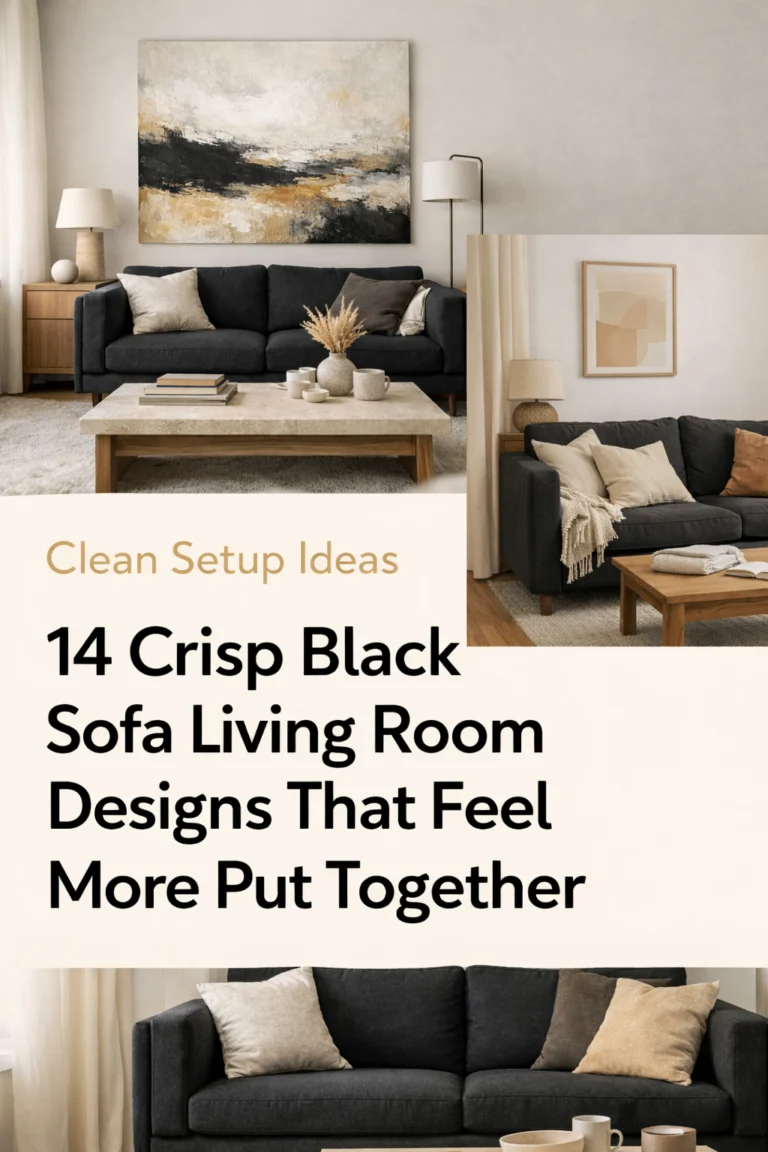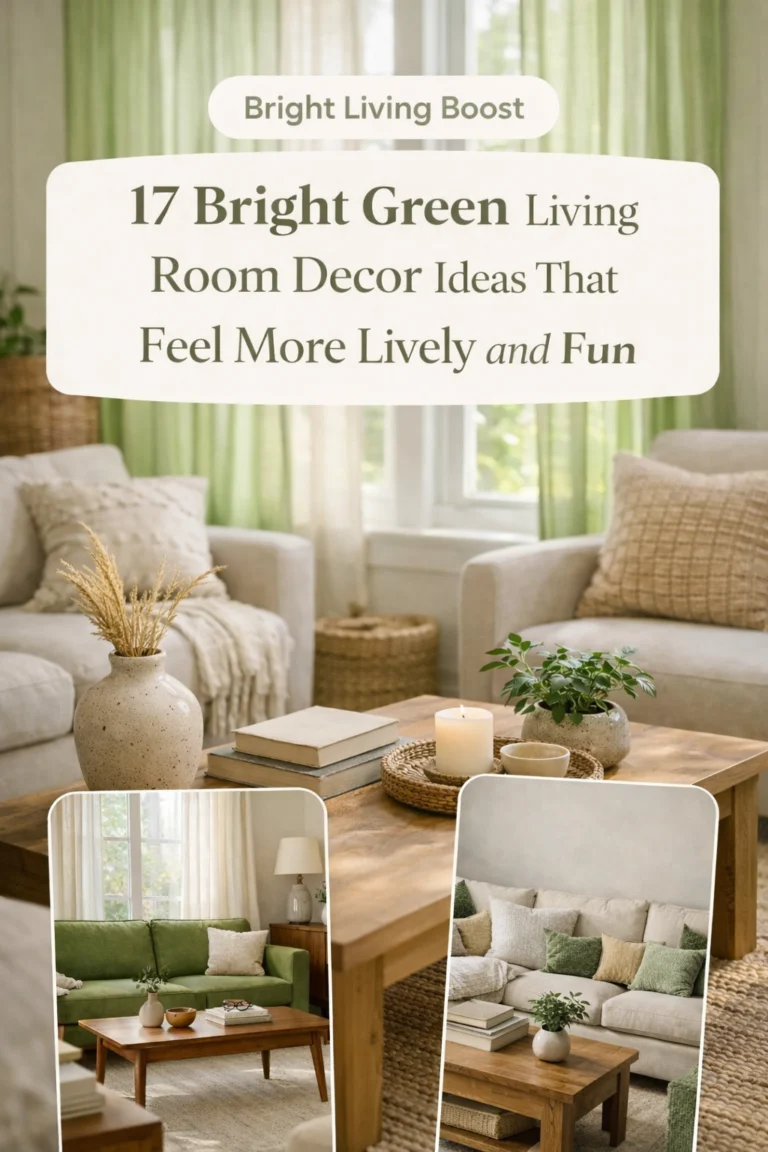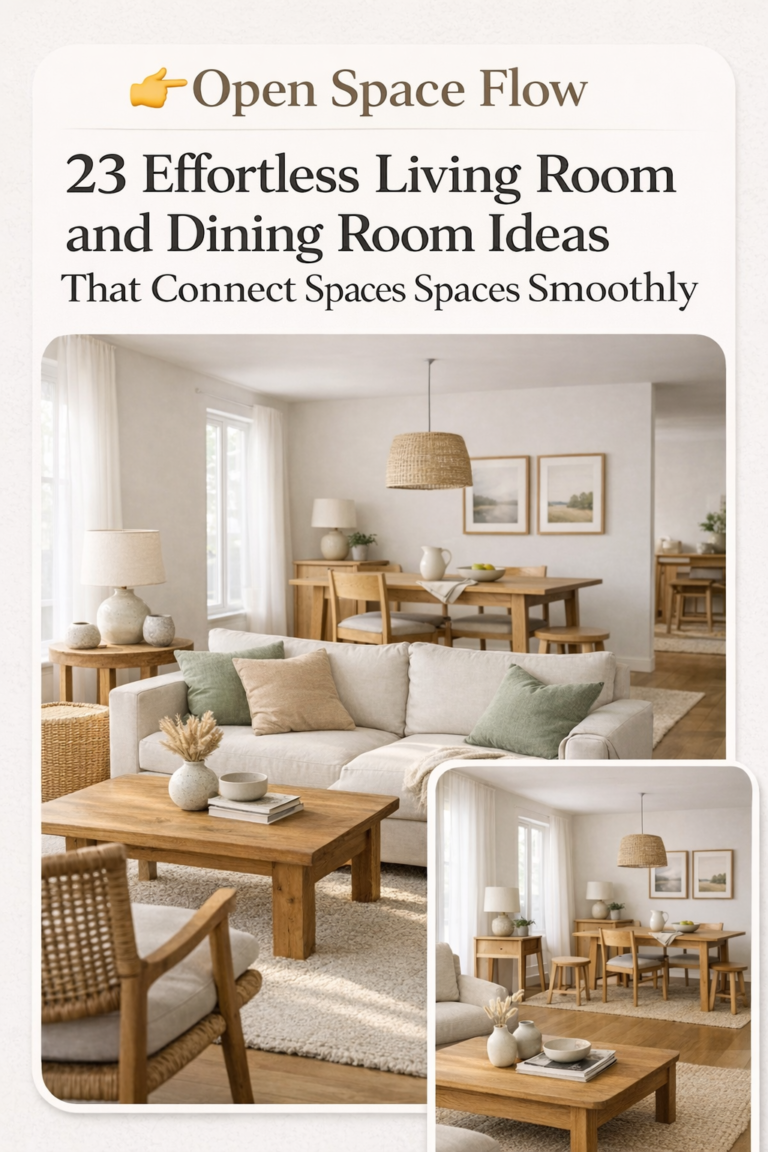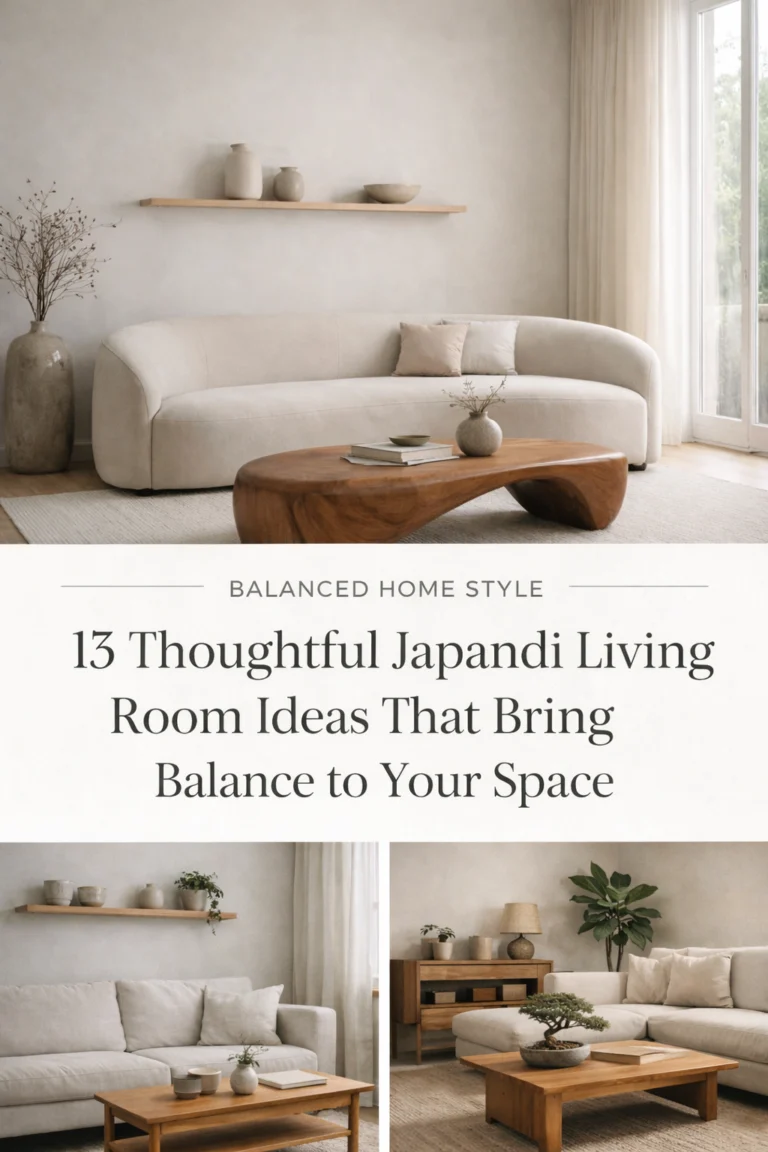


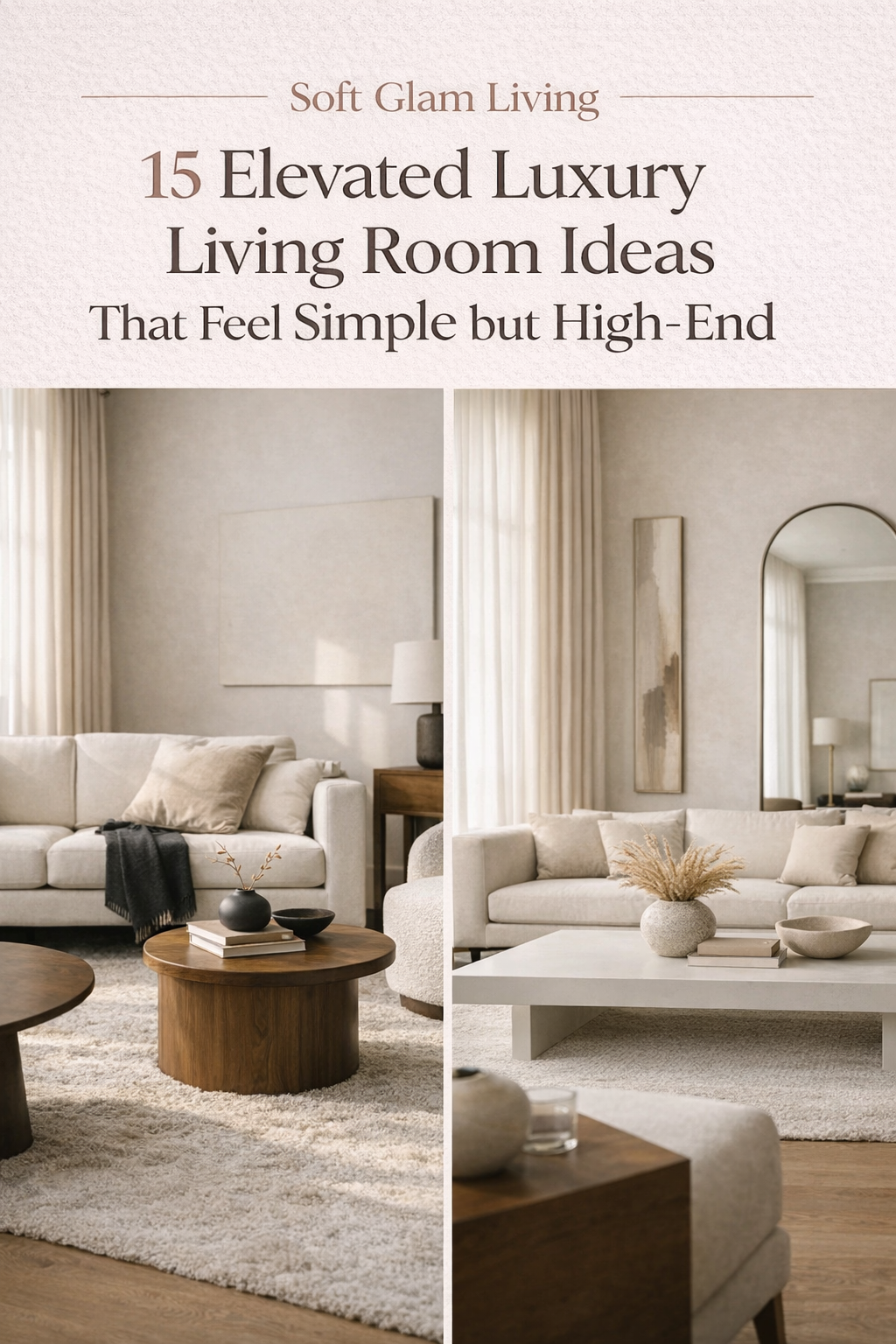
A luxury living room does not come from filling a space with expensive things. It comes from control. The room feels calm, intentional, and visually balanced. Every piece has a job. The colors work together. The materials look rich. The layout gives the eye a place to rest.
That matters in real homes across the US, where living rooms often need to do more than one thing. They host guests, hold family movie nights, connect to kitchens, and handle daily traffic. A room can still feel polished and elevated while staying comfortable and usable.
The best luxury spaces usually share a few traits. They use fewer, better-looking pieces. They repeat materials and finishes in a thoughtful way. They pay attention to scale. They avoid clutter. Most of all, they feel finished.
What makes a living room feel luxurious
A high-end look usually comes from these choices:
- A clear color story
- Layered lighting
- Larger-scale furniture and art
- Rich textures like linen, velvet, wool, wood, stone, and metal
- Full, well-fitted drapery
- Styling that feels edited, not crowded
Quick guide to the biggest luxury upgrades
| Element | What It Adds | Common Mistake | Better Move |
|---|---|---|---|
| Neutral palette | Calm, upscale base | Flat beige room | Mix warm and cool neutrals |
| Large rug | Makes the room feel bigger | Rug too small | Let front legs sit on the rug |
| Statement lighting | Strong focal point | One overhead fixture only | Layer overhead, lamp, and accent light |
| Drapery | Height and softness | Short curtains | Hang panels high and wide |
| Art and decor | Personality and polish | Tiny scattered pieces | Use fewer, larger pieces |
1. Build a Rich Neutral Base
A luxury living room often starts with a neutral palette, but not a bland one. The goal is depth, not plain beige. Think warm ivory, mushroom, taupe, sand, greige, charcoal, and soft black. When those shades sit together, the room feels calm and expensive without trying too hard.
The trick is to mix undertones and textures. A cream sofa, taupe rug, walnut table, and matte black lamp feel stronger together than five pieces in the exact same beige. That contrast keeps the room from looking washed out.
In a suburban family room, this might mean off-white walls, a warm gray sectional, a natural oak coffee table, and black-framed art. In a city apartment, it could be a camel accent chair with a stone-colored sofa and smoked glass side table. The palette stays restrained, but the room still has shape and personality.
2. Mix Materials That Feel Expensive
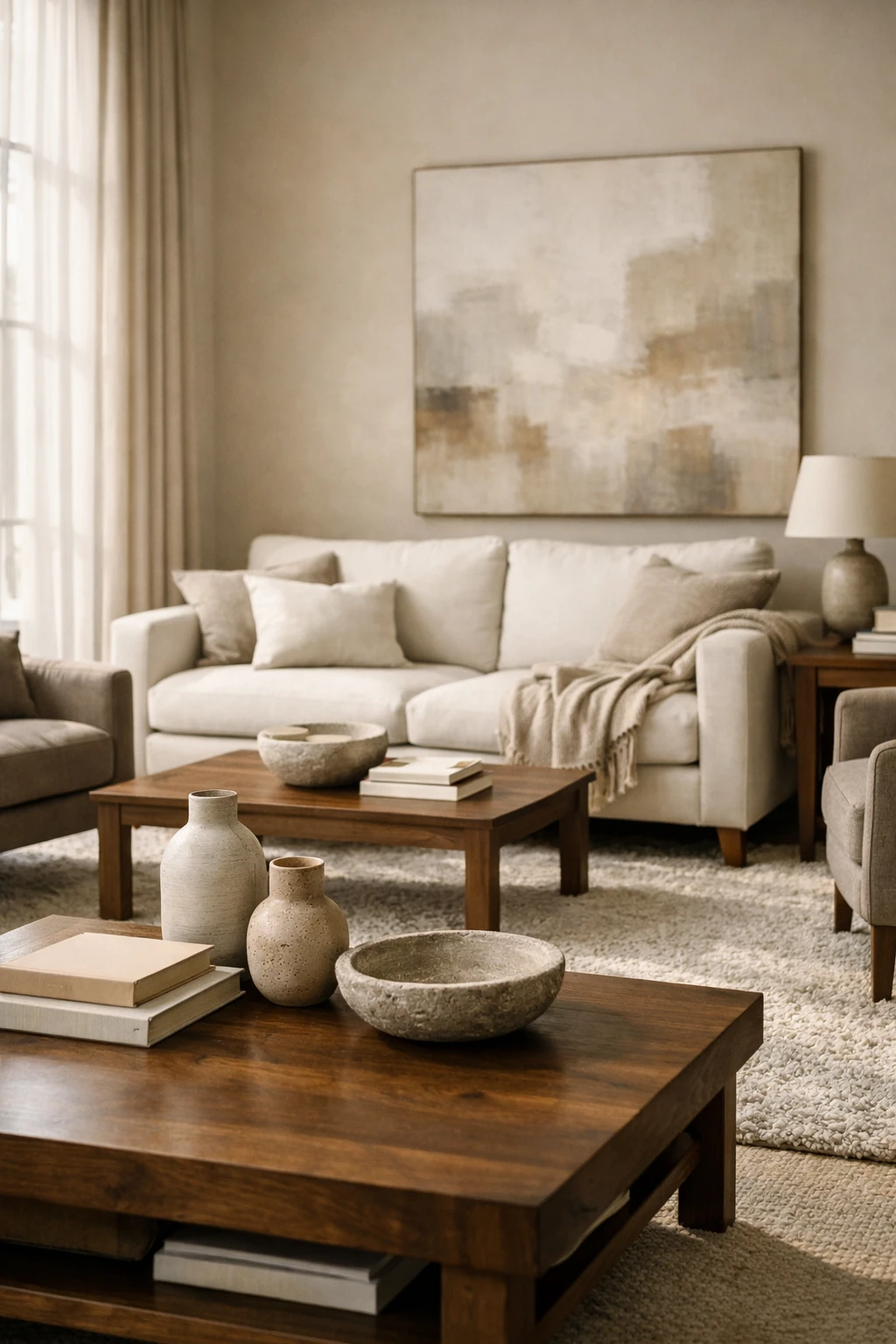
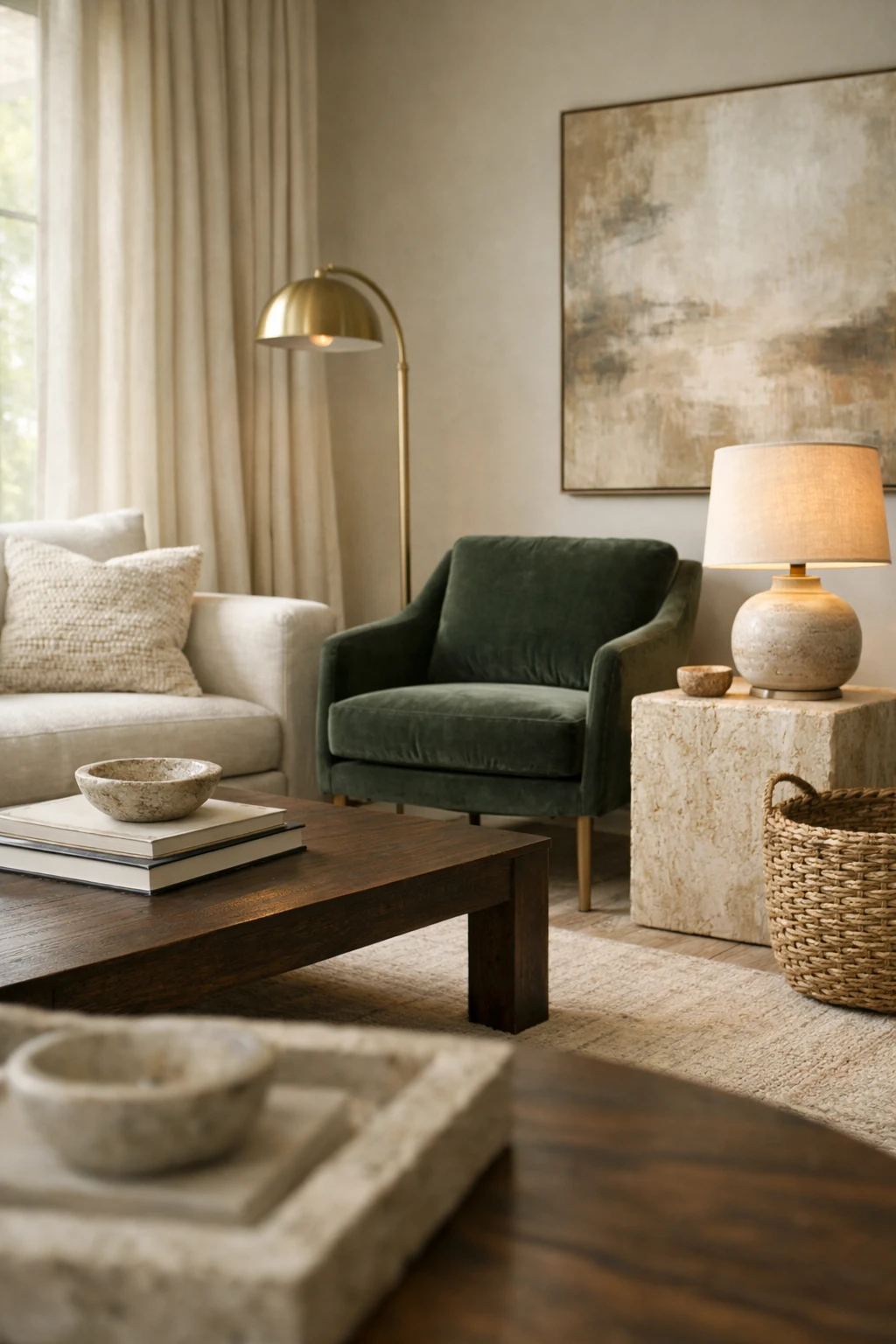
Luxury rooms rarely rely on one finish. They layer materials so the room feels collected and textured. Wood adds warmth. Stone adds weight. Linen softens the look. Velvet brings depth. Metal sharpens the edges.
This mix matters because too much of any one material can make the room feel one-note. A living room with only soft upholstery may look nice but forgettable. Add a travertine pedestal table, a leather ottoman, or a brushed brass floor lamp, and the space gains tension in a good way.
Aim for balance. If your sofa is plush and soft, bring in a harder surface through a marble tray or dark wood console. If you already have shiny finishes, ground them with woven baskets, a wool rug, or slubby linen pillows. High-end rooms feel layered because the materials do not all say the same thing at once.
3. Choose One Statement Sofa
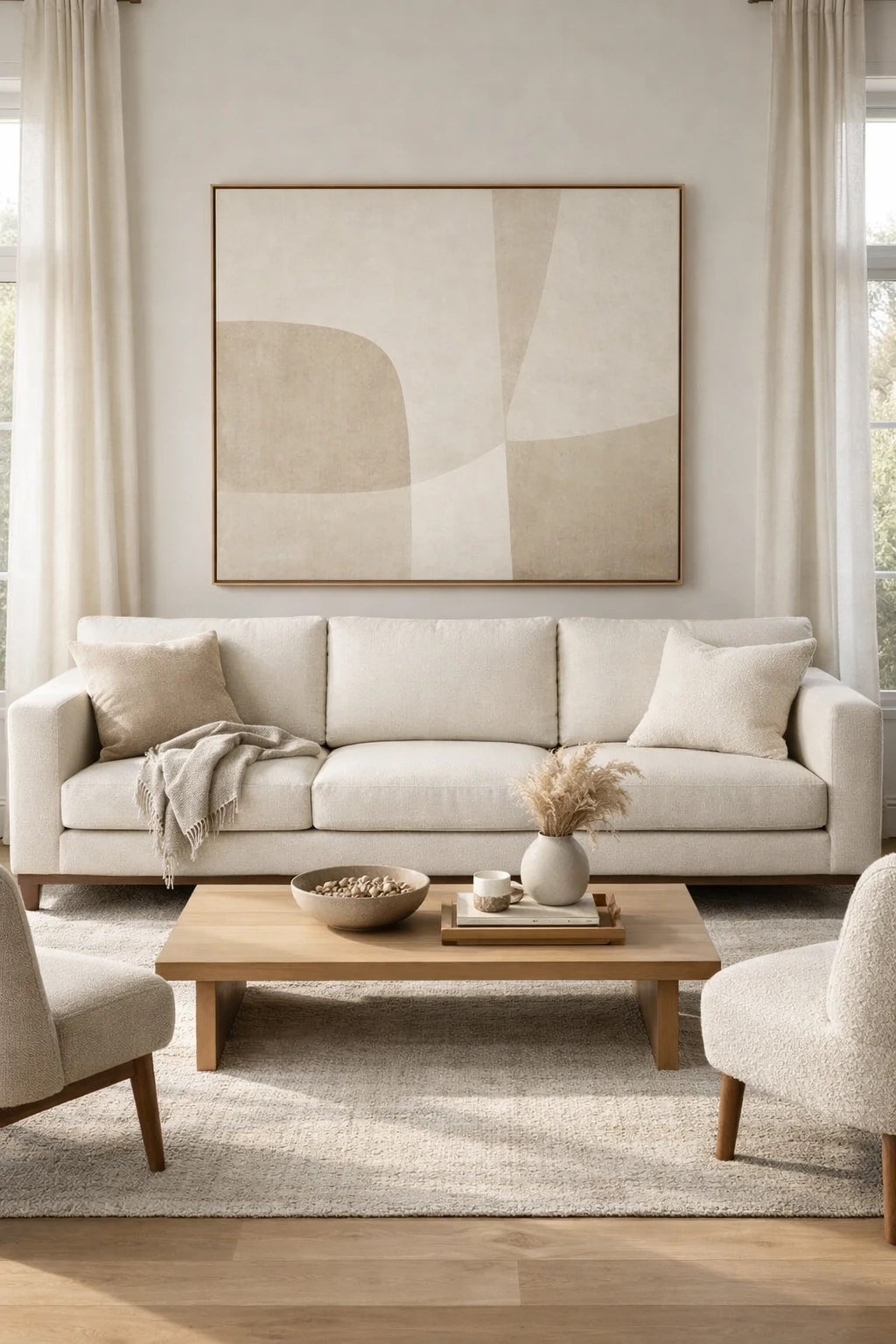
The sofa usually sets the tone for the whole room. If it looks skimpy, overstuffed, or poorly scaled, the room loses that luxury feel fast. A statement sofa does not need loud color or dramatic shape. It needs strong proportions, quality fabric, and a silhouette that fits the room.
In many US homes, that means a deeper sofa with clean arms, a bench seat, or tailored cushions. In larger living rooms, a long sofa paired with two accent chairs often feels more refined than a huge sectional that dominates every inch. In smaller spaces, a curved sofa or tight-back sofa can still read upscale if it fits the room well.
Pay attention to the legs, the fabric, and the seat height. Those details change how custom a piece looks. A beautiful sofa in performance linen, soft velvet, or textured weave can carry the room almost by itself.
4. Hang Drapery High and Wide
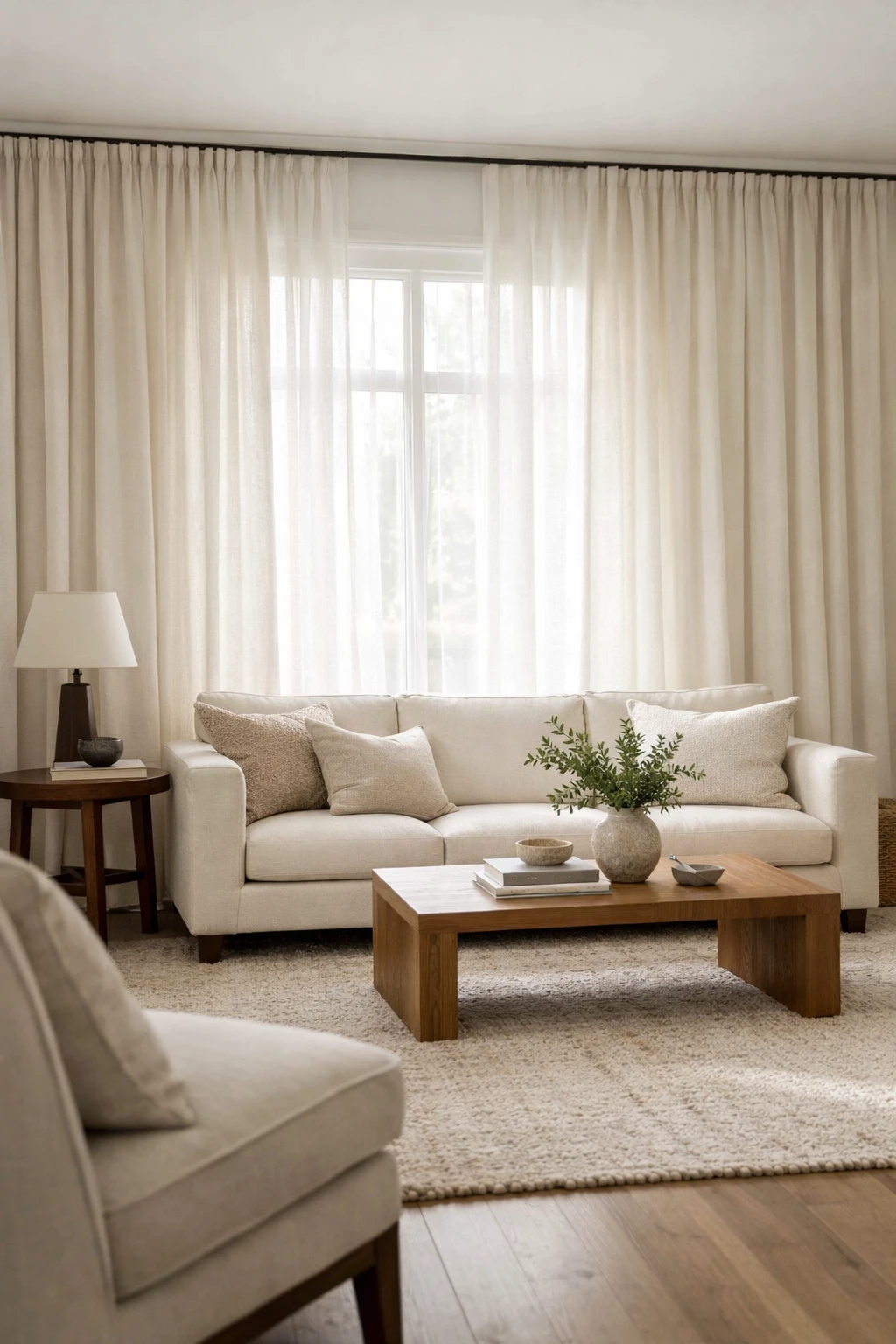
Custom-looking window treatments make a massive difference. Short curtains or narrow panels drag the room down. Floor-length drapery hung high above the window creates height, softness, and a more finished look.
The best move is to mount the rod closer to the ceiling and extend it wider than the window frame. That lets the panels stack nicely and makes the windows look larger. It also brings a graceful vertical line into the room, which always helps a space feel more elevated.
Choose fabrics that move well and hold shape. Linen blends, cotton-linen panels, and light woven fabrics work in most living rooms. Heavier drapery can look great too, but it should still fall cleanly. If the room already has strong furniture and dark accents, soft off-white or oat-colored drapes can balance the weight. If the room feels pale, try taupe or warm gray panels for a more grounded look.
5. Use Oversized Art Instead of Small Wall Clutter
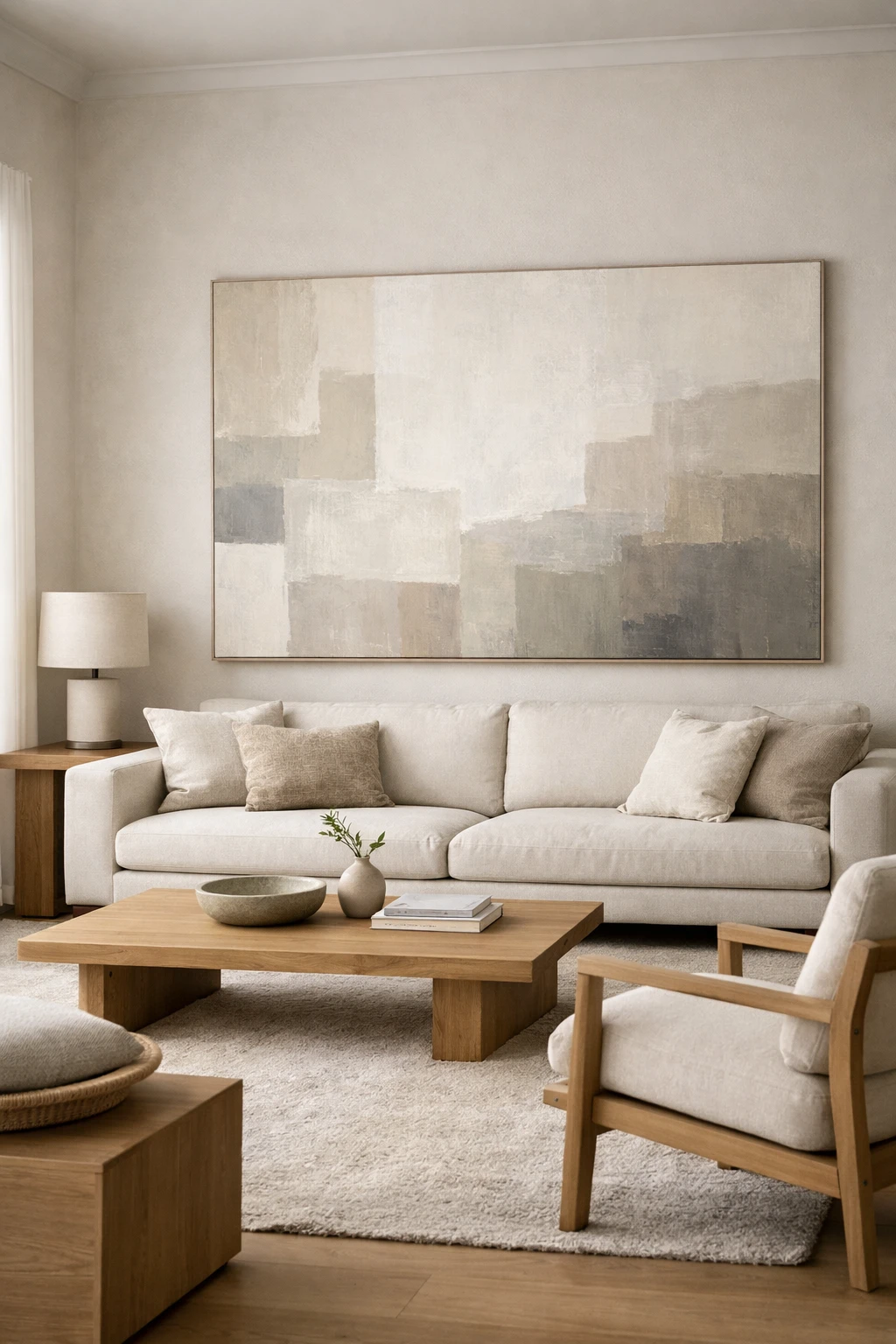
Luxury rooms usually avoid the “many little things” problem. A wall filled with tiny frames often feels busy, even when the art is pretty. One large piece or a well-scaled pair makes a stronger statement and gives the room breathing room.
Oversized art helps anchor the seating area. It also makes the walls feel taller and the room feel more intentional. Abstract art works well in many living rooms because it adds mood without making the space feel theme-heavy. Black-and-white photography, soft landscapes, and textured neutral canvases can also work beautifully.
Scale matters here. Art over a sofa should feel generous, not timid. If you want a collected look, use fewer pieces and give them room. A large painting above a stone fireplace or behind a sofa can do more for the room than six small accessories spread around the space.
6. Layer Lighting at Three Levels
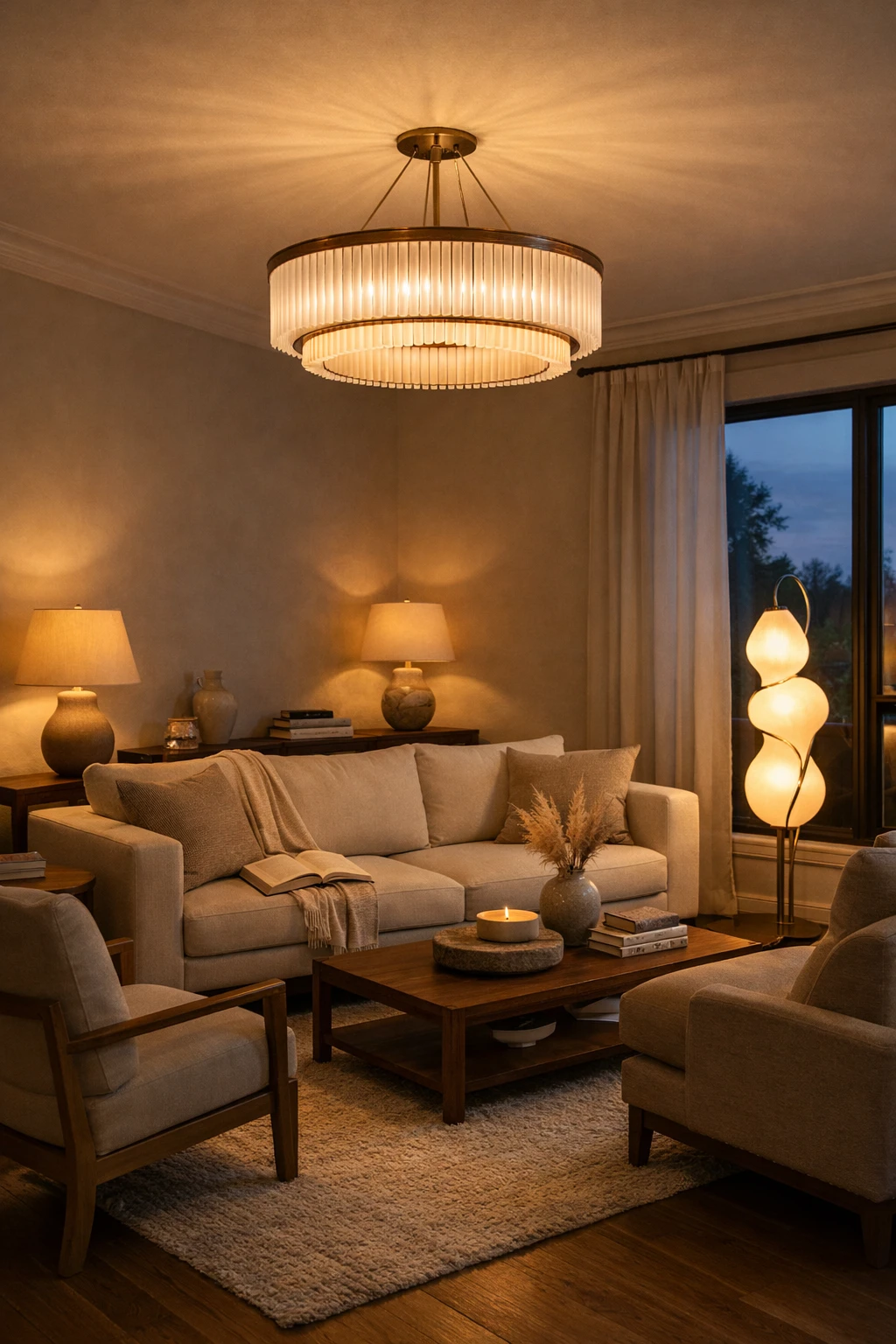
A luxury living room never depends on one ceiling light. Good lighting gives the room mood, shape, and flexibility. You need at least three layers: ambient light, task light, and accent light.
Ambient light comes from overhead fixtures like chandeliers, pendants, or recessed lights. Task light comes from reading lamps, table lamps, or an adjustable floor lamp. Accent light highlights shelves, art, or architectural details.
This layered approach makes the room feel warmer and more expensive because it creates depth after sunset. A brass floor lamp near a reading chair, matching lamps on a console, and a dimmable chandelier above the room can completely shift the atmosphere.
A simple lighting formula
For most living rooms, this setup works well:
- One overhead fixture for overall glow
- Two table lamps for warmth
- One floor lamp for function
- Optional picture light, shelf light, or wall sconce for depth
7. Create a Strong Coffee Table Moment
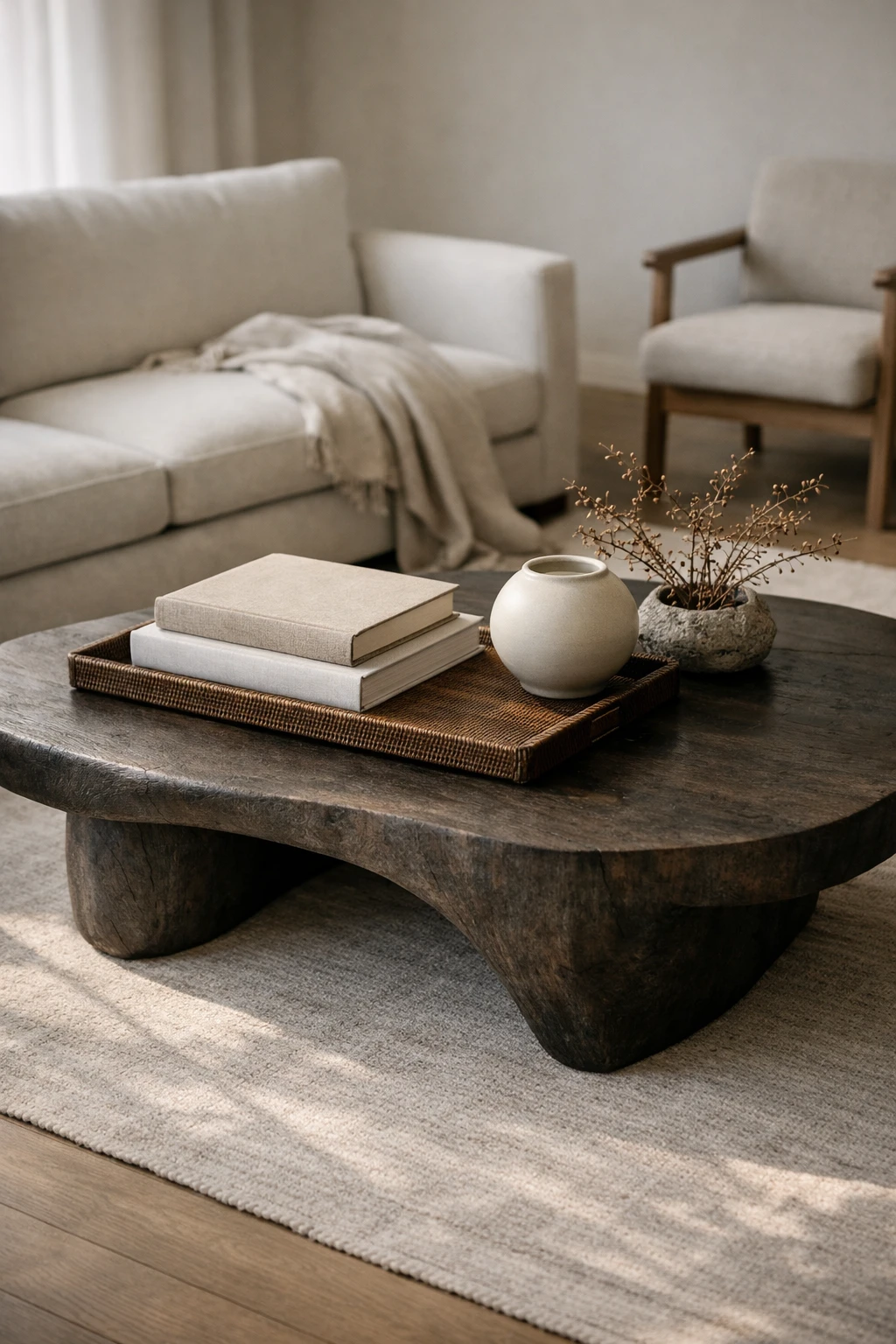
The coffee table sits in the center of the room, so it should feel intentional. A luxury living room often uses this spot as a quiet focal point. That does not mean piling on decor. It means choosing a table with shape and presence, then styling it with restraint.
Stone, dark wood, smoked glass, burl, or mixed-material tables all work well. What matters is the scale. If the table is too small, the room feels under-furnished. If it is too fussy, it looks staged.
Try a simple styling formula: a tray, two or three large coffee table books, one sculptural object, and something organic like a small branch or bowl of moss. Leave empty space around those items. That breathing room is part of the luxury look. In family homes, a large upholstered ottoman can also work, especially when topped with a sturdy tray.
8. Use Symmetry for a Calm, Refined Look
Symmetry makes a room feel settled. That is one reason luxury interiors often use pairs: two chairs, two lamps, two sconces, or matching side tables. The look feels ordered and balanced, which reads as polished right away.
You do not need perfect mirror-image furniture across the whole room. Even small moments of symmetry help. Two chairs facing a sofa. Two lamps on a console. Two framed pieces over built-ins. These pairings make the space feel considered.
Symmetry works especially well in formal living rooms, fireplace-centered layouts, and open-concept homes where the seating area needs visual structure. It also helps when a room has bold features like dramatic windows or a large sectional. The symmetry keeps the space from feeling loose or chaotic.
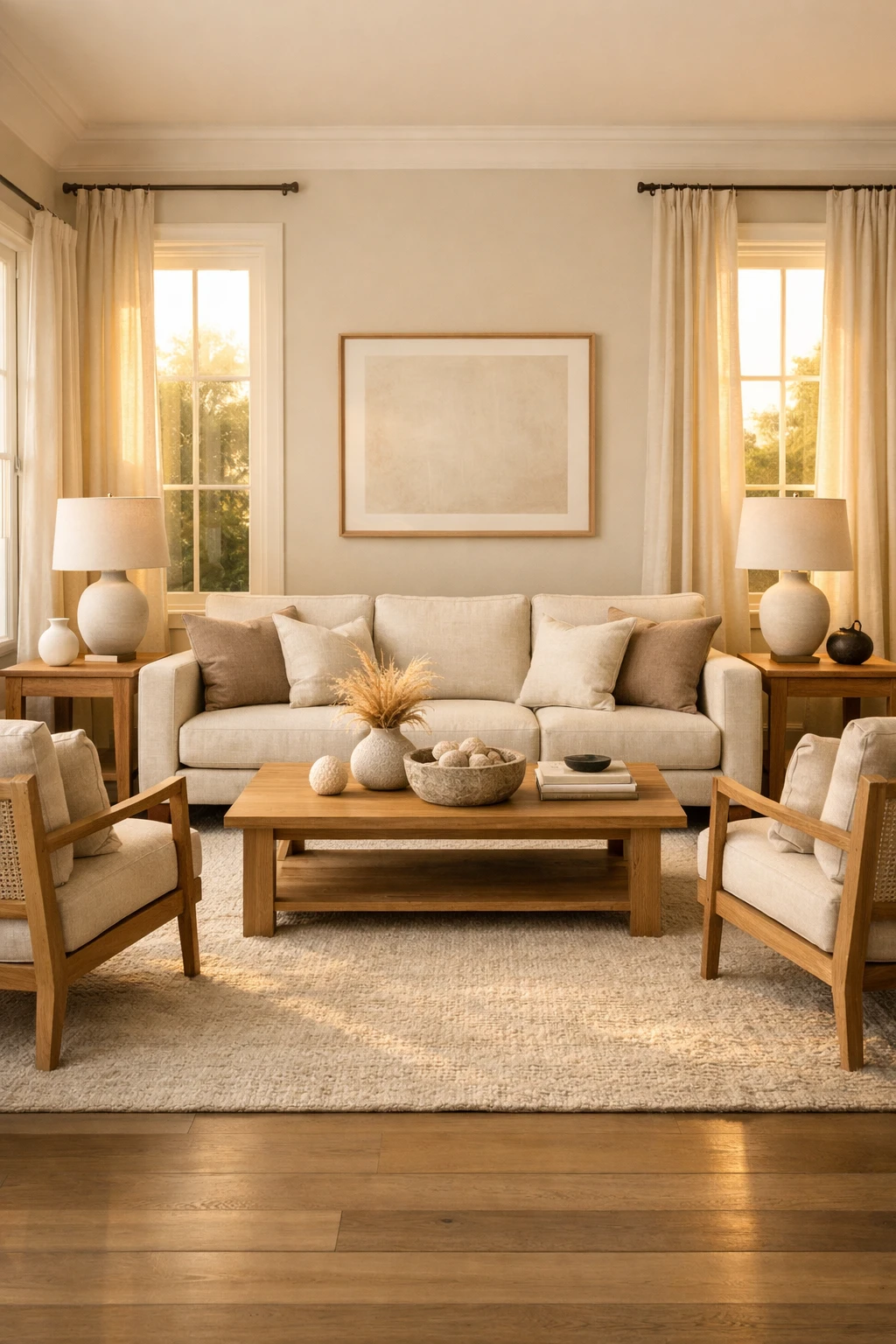
9. Add Millwork and Built-Ins for a Custom Feel
Nothing says finished like good millwork. Built-in shelving, wall molding, a paneled fireplace surround, or even a simple trimmed-out media wall can make a living room feel far more expensive than its furniture budget suggests.
That is because architectural detail gives the room substance. It tells the eye that the space was planned, not just filled. Even in newer builder-grade homes, a few trim upgrades can change the entire feel of the room.
Built-ins look best when they are not overloaded. Mix books, ceramics, framed art, and negative space. Paint the shelving the same color as the wall for a calm look, or go a shade darker for more depth. If full custom work is not in the budget, IKEA hacks, semi-custom cabinets, or well-installed picture molding can still create a high-end result.
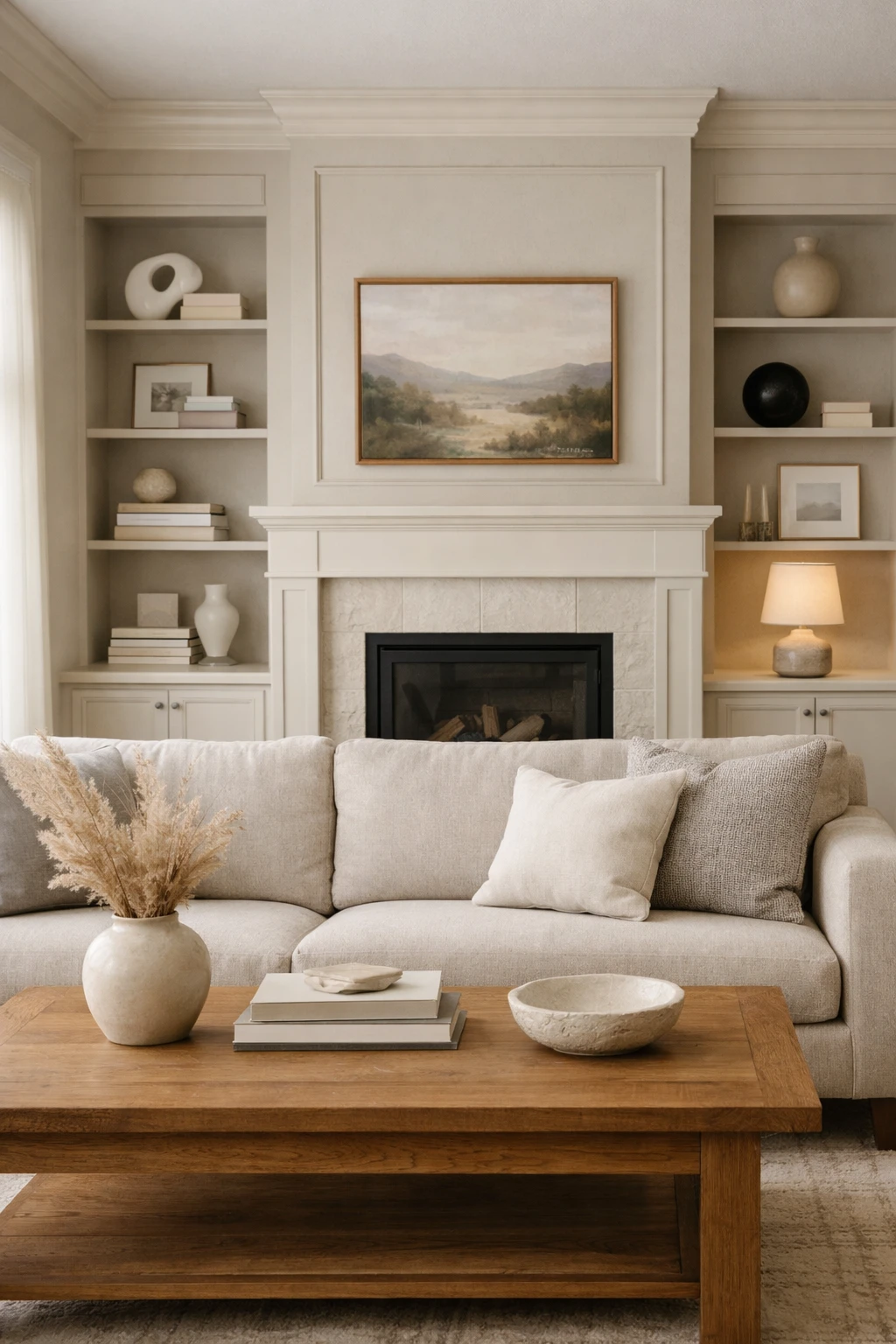
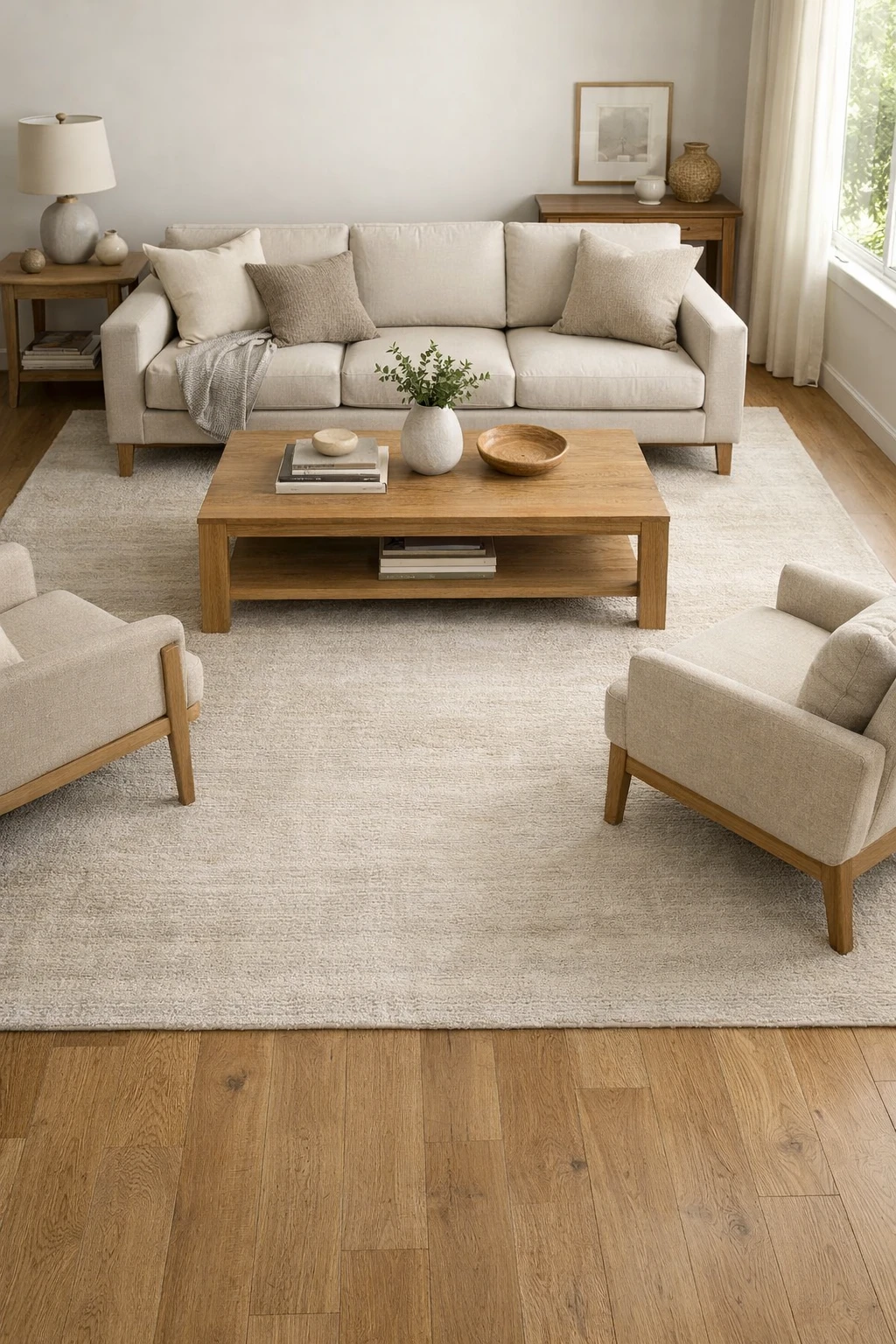
10. Use a Large Rug to Anchor the Room
A too-small rug is one of the fastest ways to make a living room look cheaper than it is. It chops up the layout and makes the furniture feel disconnected. Luxury rooms use rugs to unify the seating area.
At the least, the front legs of the sofa and chairs should sit on the rug. In many living rooms, an 8×10 works, but a 9×12 often looks better if the space can take it. The larger scale helps the room feel generous.
Material matters too. Wool, wool blends, hand-knotted styles, and low-pile textured rugs often look more elevated than flimsy synthetic options. Pattern can work, but subtle pattern usually ages better in luxury spaces. Think tonal stripes, faded motifs, or soft geometric texture rather than loud contrast.
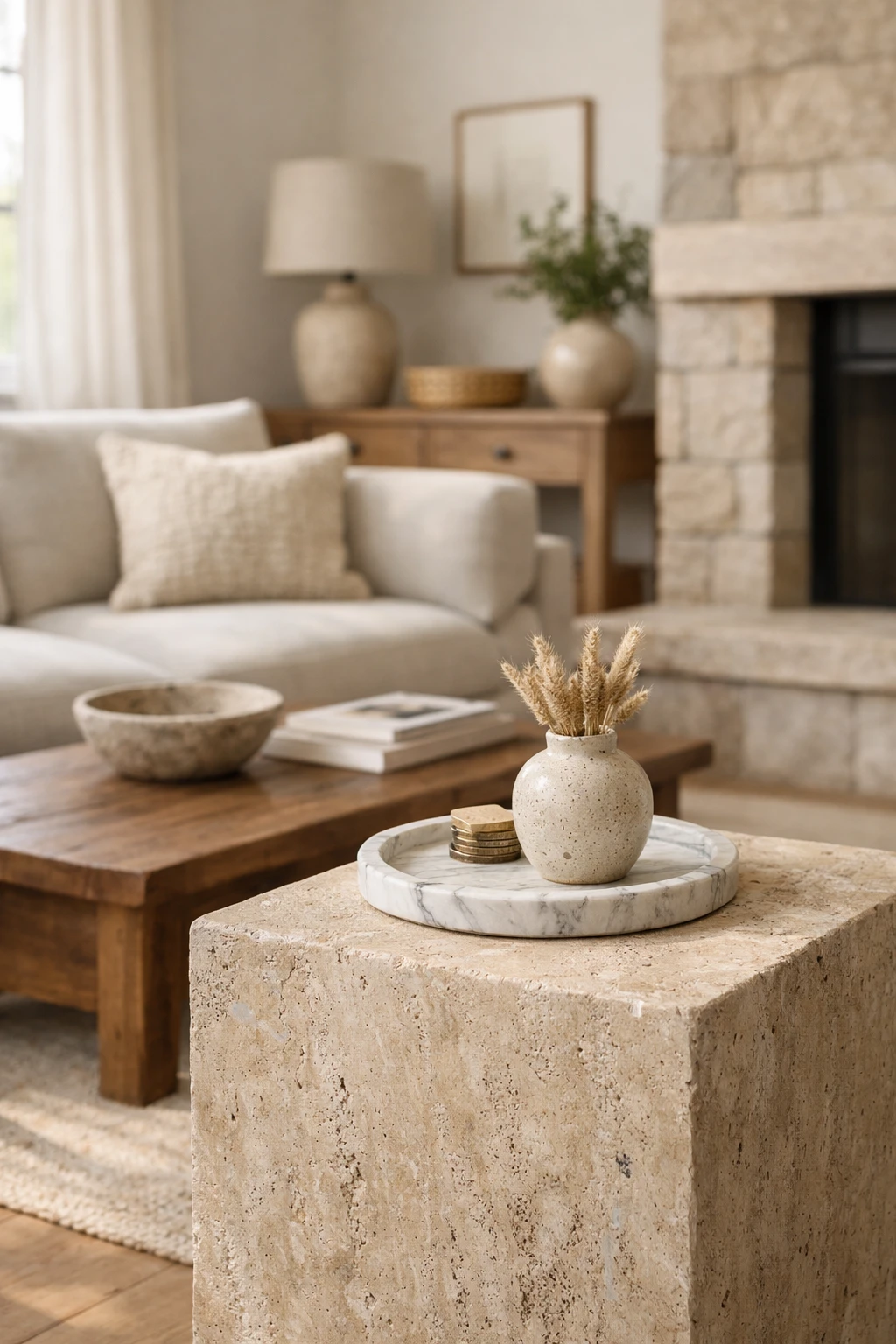
11. Bring in Stone and Marble Accents
Stone carries visual weight. It instantly adds a sense of permanence that lighter materials often cannot match. You do not need a full marble fireplace to get the effect. Even smaller touches can raise the room.
A marble side table, travertine bowl, limestone lamp base, or stone tray can add depth and quiet richness. These pieces work well because they have natural variation. Veining, tiny marks, and tonal shifts make them feel real and grounded.
Use stone where the eye naturally lands: the coffee table, fireplace, console, or side table. If you already have a lot of upholstered furniture, stone adds needed contrast. If the room feels cool, pair it with warm wood and soft textiles so the look stays inviting.
12. Style Shelves With Restraint
Luxury styling looks edited. Shelves packed edge to edge with small decor pieces do not feel high-end. They feel crowded. A better approach is to style with fewer items, more variation in height, and more empty space.
Books add structure. Ceramics add shape. Framed art adds layering. A box, bowl, or sculptural object adds interest. The key is to let each item breathe. Stack books horizontally, lean art casually, and avoid filling every shelf the same way.
Real homes benefit from this approach because it is easier to maintain. It also feels more natural. A living room should not look like a store display. It should look lived in, but with discipline. That is the difference between clutter and polish.
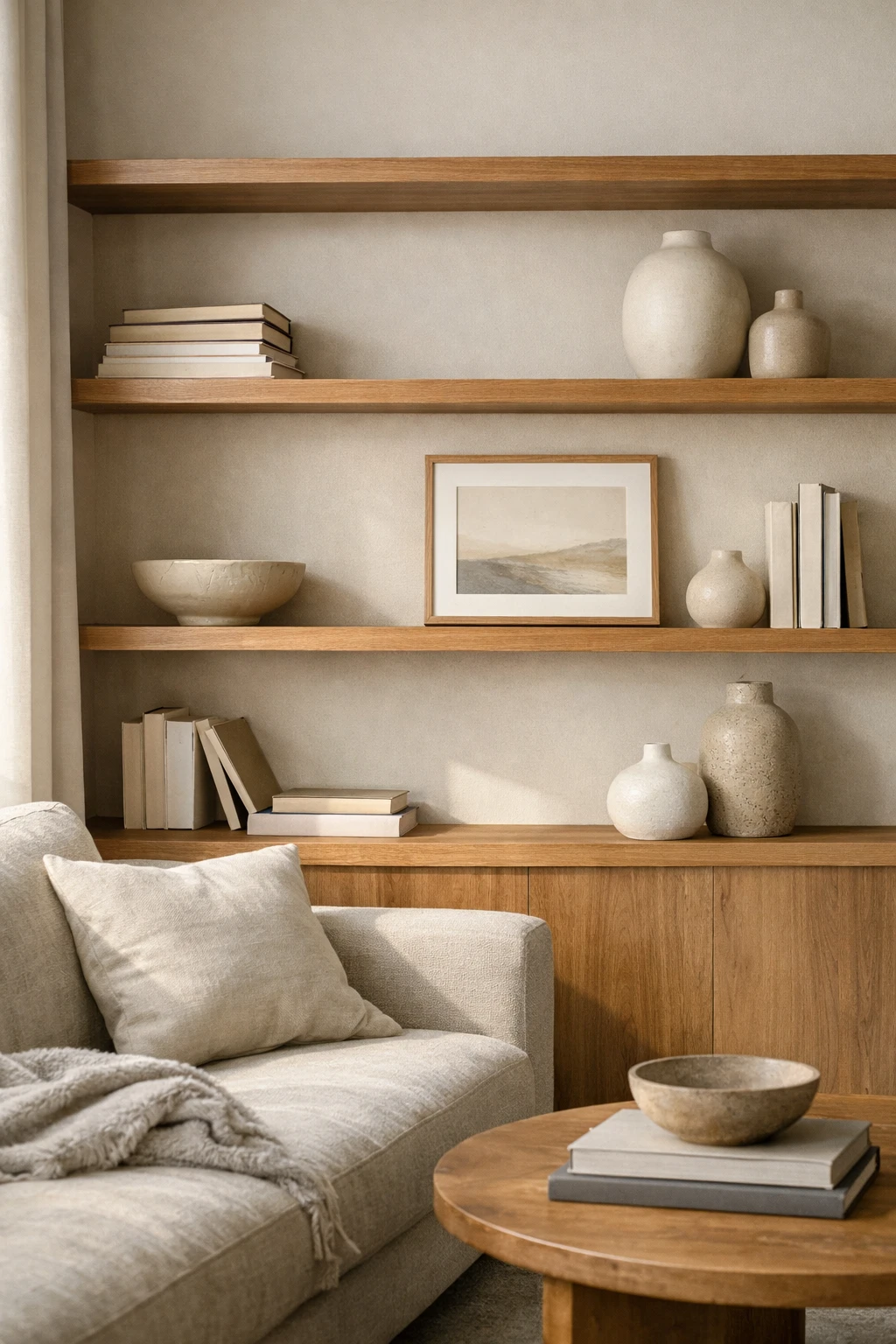
13. Mix Curves With Clean Lines
Luxury rooms often feel softer than people expect. One reason is the mix of shapes. If every piece has hard edges, the room can feel stiff. If everything is curved, the room may lose structure. The sweet spot is a mix.
Try a rounded chair with a square sofa. Pair a rectangular rug with a circular side table. Use a curved lamp or arched floor mirror to soften a room full of straight lines. These shifts help the room feel designed in a thoughtful way without looking forced.
Curves also make large living rooms more welcoming. In open layouts, they help break up the boxy feeling that comes from wide walls and long sightlines. Even one curved piece can change the mood of the room.
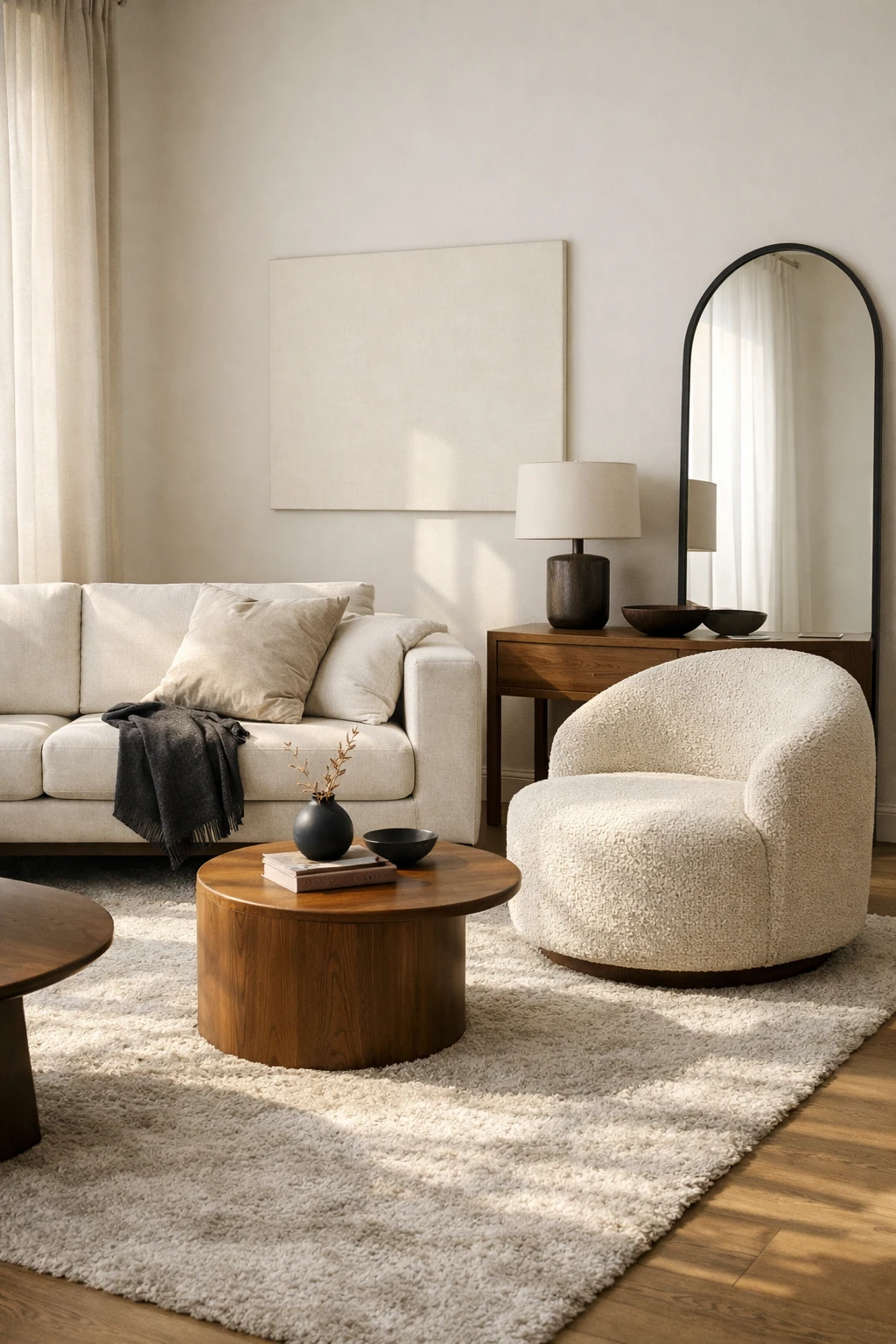
14. Draw the Eye Up With Vertical Details
Luxury spaces often feel taller, even when the ceilings are average. That effect comes from vertical emphasis. Tall drapery, large art, high shelves, elongated mirrors, and slender lighting all help move the eye upward.
This is useful in standard US homes where ceiling height may not feel dramatic on its own. A tall mirror leaning against the wall, a floor lamp with height, or artwork stacked with intention can create a more elegant look without structural work.
Color can help too. When the drapery matches the wall closely, the eye reads a longer, cleaner line. When furniture sits a little lower and lighting or art reaches higher, the room feels more balanced and expansive.
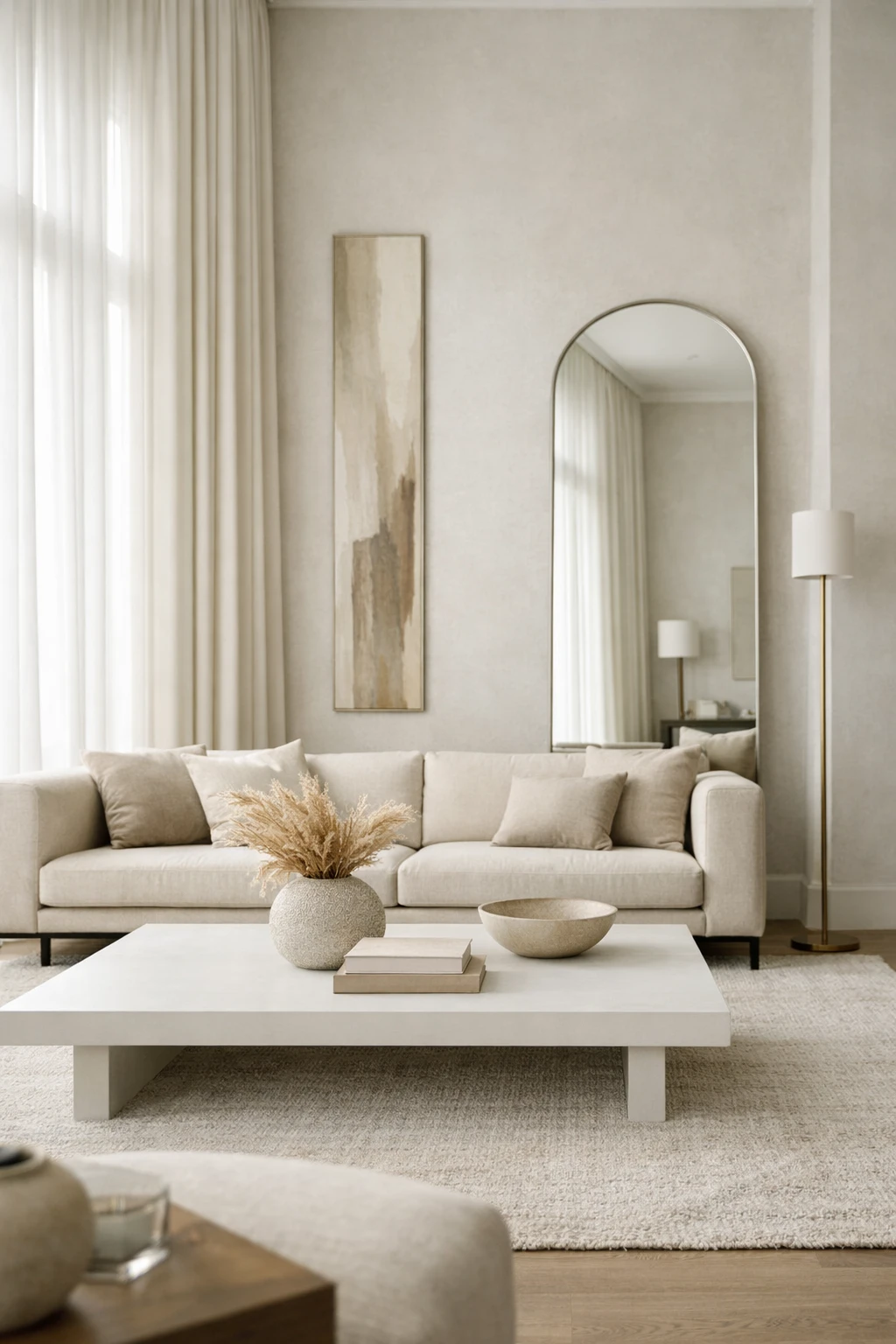
15. Finish With Fewer, Better Accent Pieces
Luxury does not need more accessories. It needs better ones. The final layer should feel personal, tactile, and a little restrained. A heavy vase, a beautiful bowl, a textured throw, a pair of books, or one sculptural object can go much farther than ten random decor items.
This is where many rooms go off track. They start strong with good furniture, then lose impact with filler decor. Before adding something, ask whether it supports the room’s color story, texture mix, and mood. If it does not, leave it out.
The most memorable living rooms feel edited. They have space around the pieces. They let quality materials stand out. They feel collected over time, even if the room came together recently. That quiet confidence is what makes luxury feel believable.
A beautiful luxury living room is not about chasing a showroom look. It is about making the room feel calm, substantial, and complete. Start with the biggest visual moves first: color palette, rug size, sofa scale, lighting, drapery, and layout. Then layer in materials, art, and accents with a lighter hand. When you focus on proportion, texture, and restraint, the room will look more expensive without feeling stiff or untouchable.
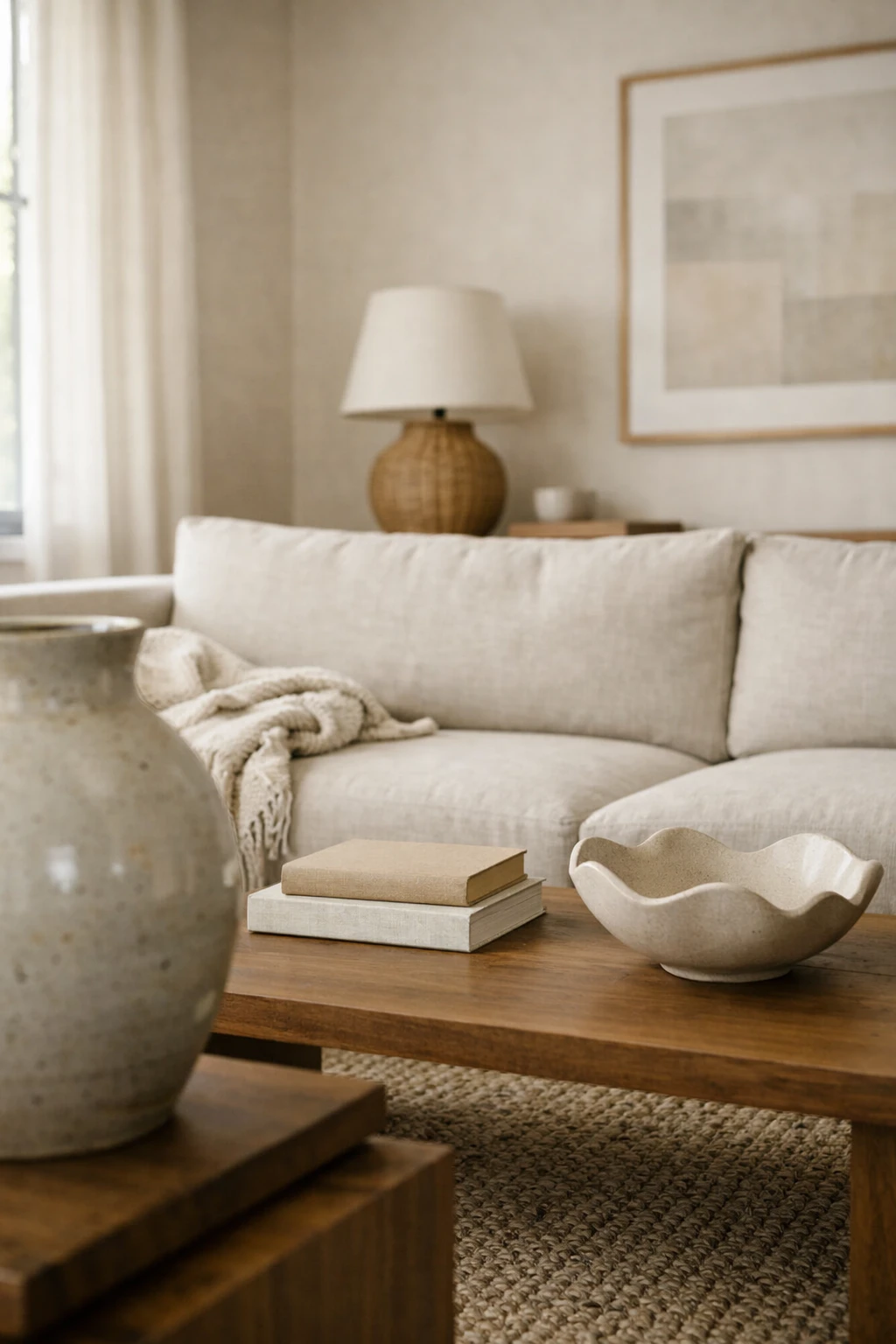
Final Words
Incorporating luxury into your living room is all about blending comfort, elegance, and thoughtful design. Whether you’re drawn to rich textures, statement lighting, or sophisticated color palettes, each of these ideas offers a unique way to elevate your space. From timeless classics to modern glam touches, luxury living room design is less about excess and more about intentional beauty and quality.
As you explore these 15 luxury living room design ideas, focus on what reflects your personal style while enhancing functionality. With the right balance of elements, you can transform your living room into a refined retreat that feels both inviting and impressive every day.