

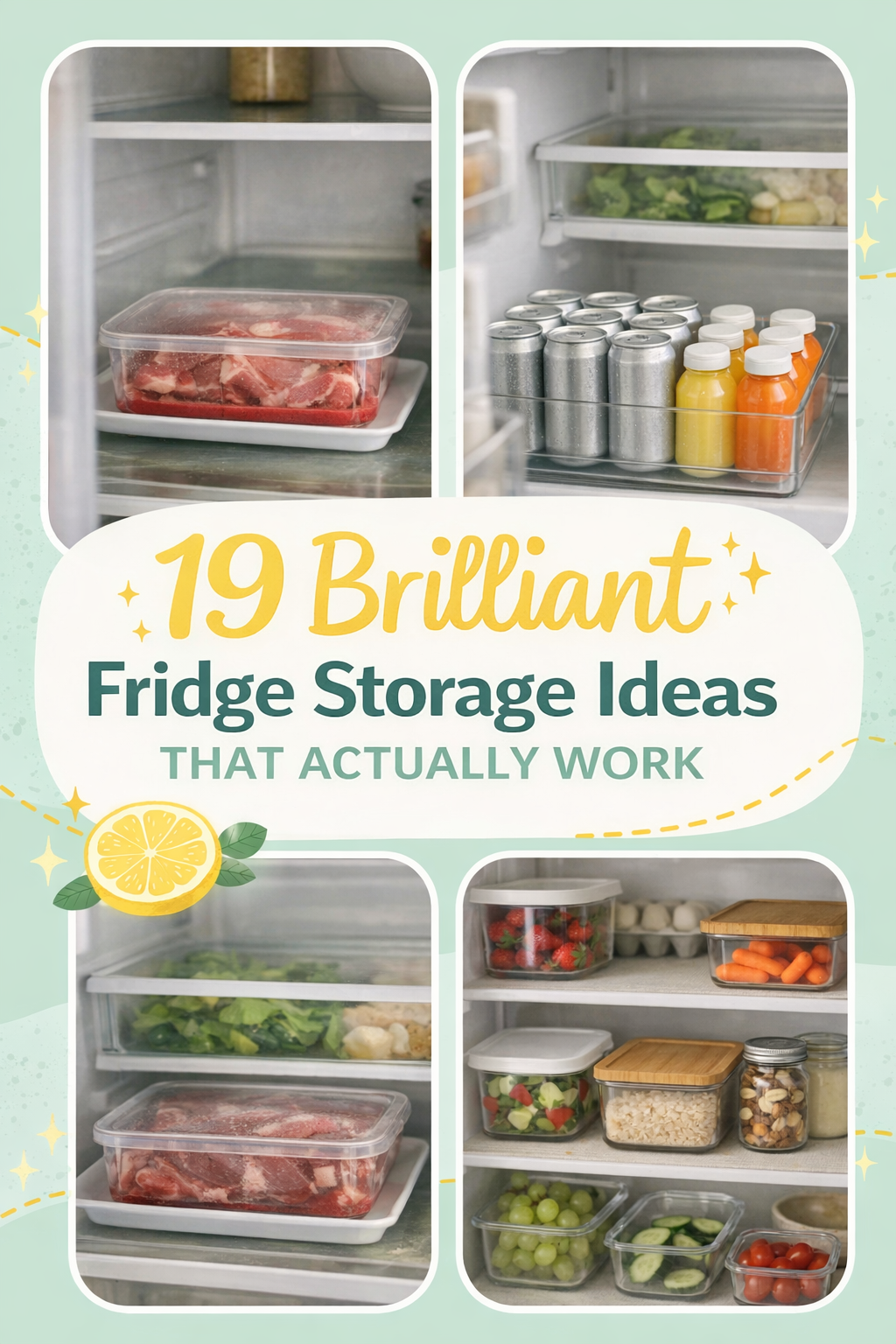
An organized refrigerator can completely change how your kitchen feels. When shelves are cluttered and food gets lost in the back, meal prep becomes stressful and groceries go to waste. But when everything has a clear place, cooking feels easier and daily routines run smoother.
Refrigerator organization is not about making your fridge look perfect for photos. It’s about creating a system that works for real life. Busy mornings, after-school snacks, late-night leftovers — your fridge supports all of it. With a few smart adjustments, you can maximize space, reduce food waste, and keep your kitchen feeling calm and in control.
These 19 refrigerator organization ideas balance function and style. They are practical enough for everyday family use but clean and cohesive enough to look worthy. Whether you live in a small apartment or manage a full household fridge, these ideas will help you build a system that lasts.
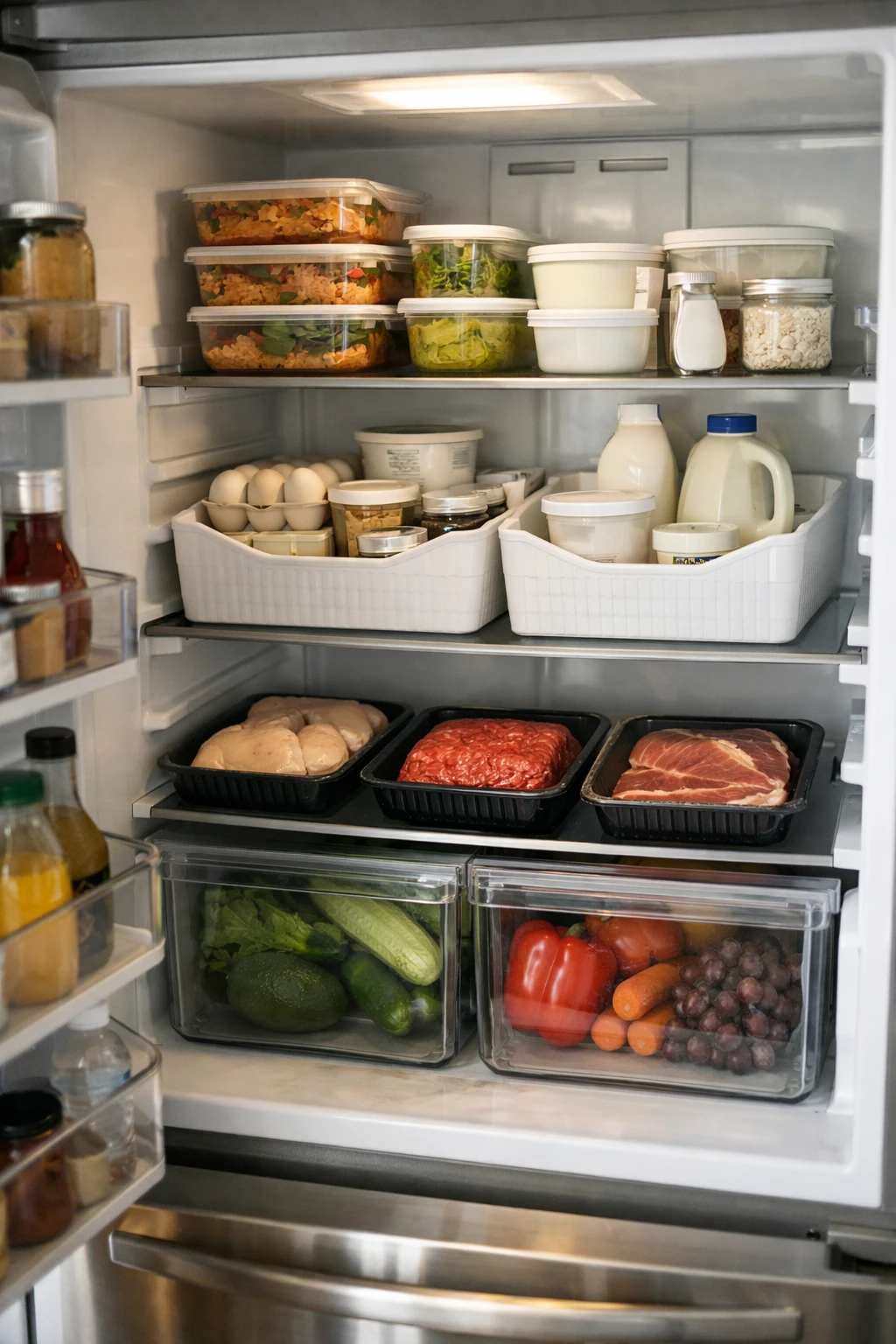
1. Create Clear Food Zones for a Functional Layout
A well-organized refrigerator begins with clear zones. When every category has a home, putting groceries away becomes automatic and maintaining order feels effortless.
Start by dividing your fridge into practical sections:
• Top shelf for leftovers and ready-to-eat foods
• Middle shelf for dairy and frequently used items
• Lower shelf for raw meat stored in sealed containers
• Crispers for fruits and vegetables
• Door shelves for condiments and beverages
This layout mirrors how most refrigerators are designed to function in US homes. It also helps food stay fresher because items are stored where temperature is most stable.
When zones stay consistent, everyone in the household knows where things belong.
2. Use Clear Storage Bins to Reduce Clutter
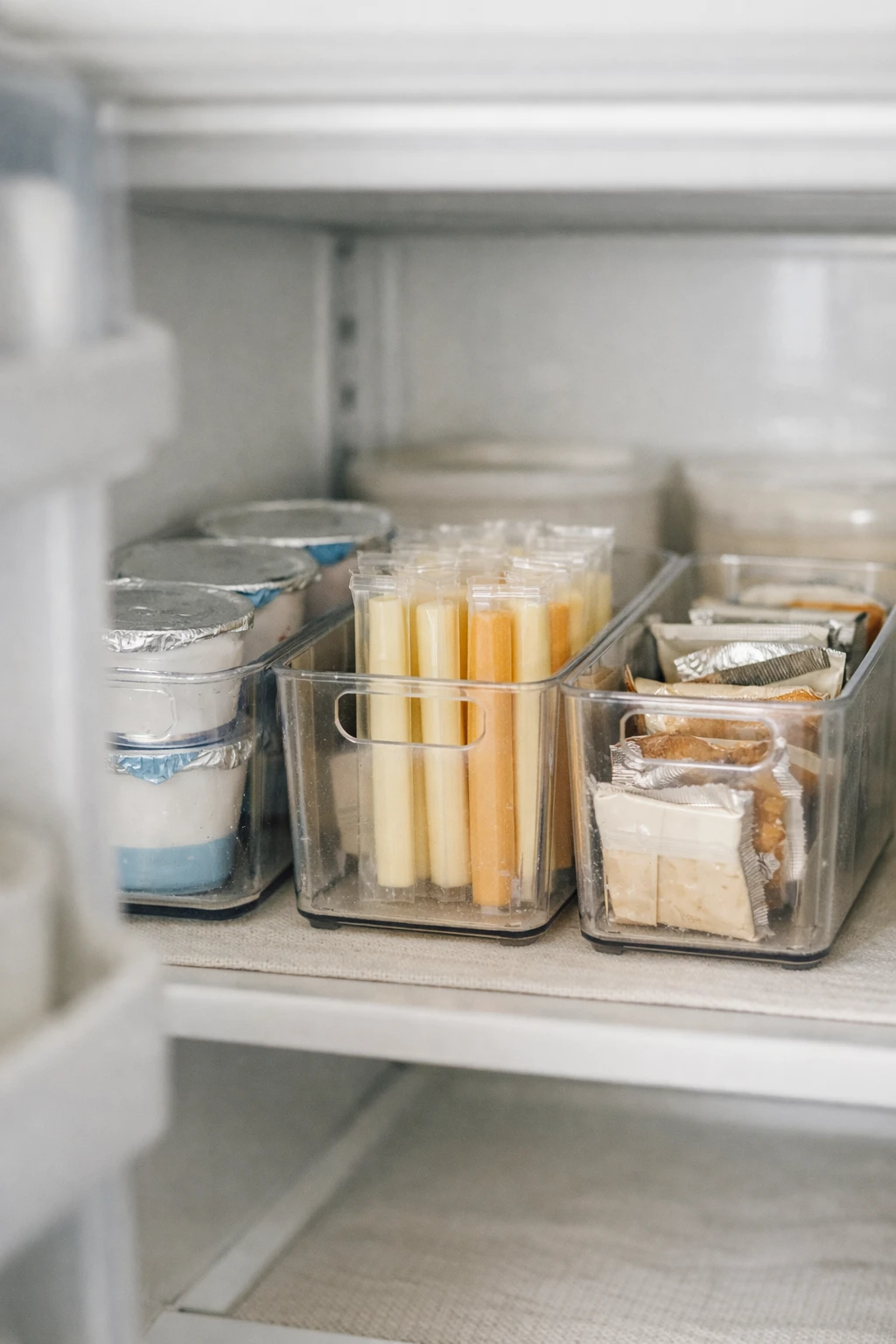
Clear bins create instant visual order. Instead of small items scattered across shelves, group similar foods together.
Bins work well for:
• Yogurt cups
• Cheese sticks
• Deli meats
• Snack packs
• Sauce packets
Choose BPA-free clear plastic bins with handles so you can pull them out easily. Label them if needed, especially in family homes where multiple people use the fridge daily.
This simple system makes weekly grocery restocking smoother and keeps small items from getting lost in the back.
3. Install a Lazy Susan for Condiments
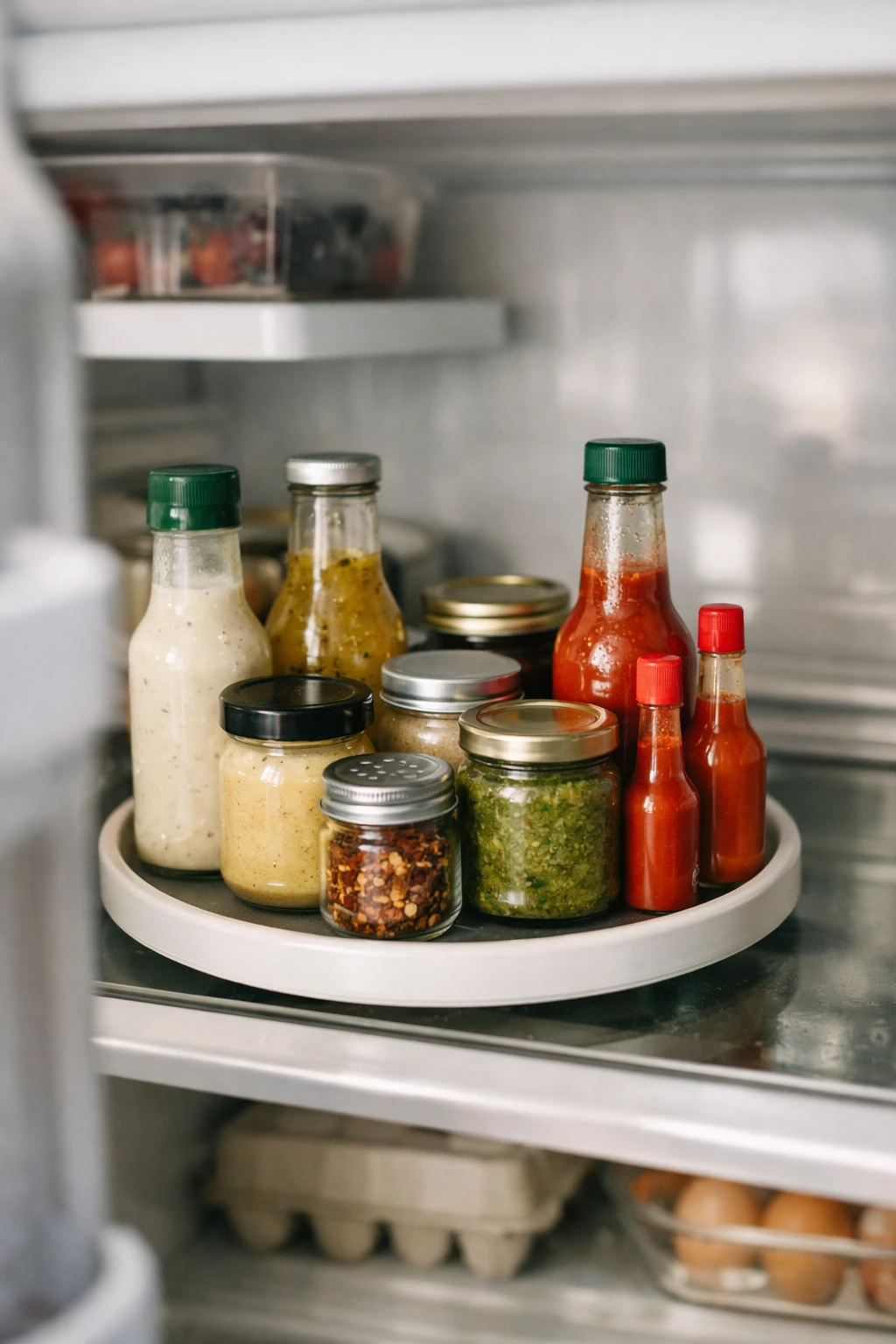
Condiments are often the messiest part of any refrigerator. A small turntable solves that problem quickly.
Place a Lazy Susan on a middle shelf and group:
• Salad dressings
• Hot sauces
• Small jars
• Specialty condiments
Instead of moving five bottles to reach one, just rotate the tray. It saves time and prevents spills.
For narrow refrigerators, choose a slim design to maximize space without overcrowding.
4. Store Produce in Clear Drawer Organizers
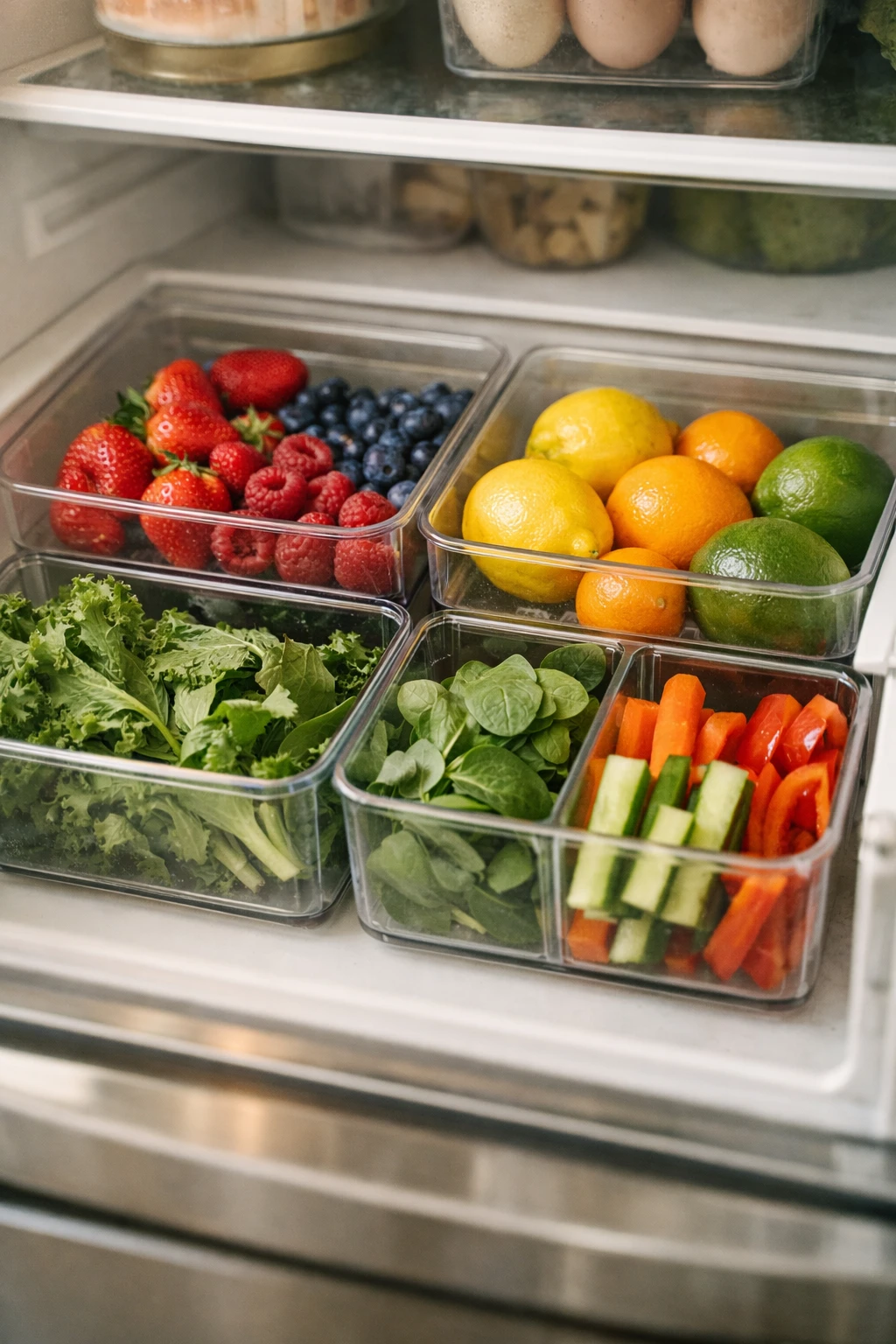
Crisper drawers can become chaotic fast. Using smaller clear containers inside drawers keeps produce separated and easier to see.
For example:
• One bin for berries
• One for citrus
• One for leafy greens
• One for cut vegetables
This prevents bruising and helps you see what needs to be eaten first.
When produce is visible and organized, families naturally waste less food.
5. Label Everything for Long-Term Success
Labels may seem simple, but they make a major difference.
Use waterproof, wipeable labels for:
• Leftovers (with dates)
• Meal prep containers
• Snack bins
• Dairy sections
In busy households, labels remove guesswork. Kids know where snacks belong. Adults can quickly check expiration timelines.
Clear labeling keeps systems from falling apart after just one week.
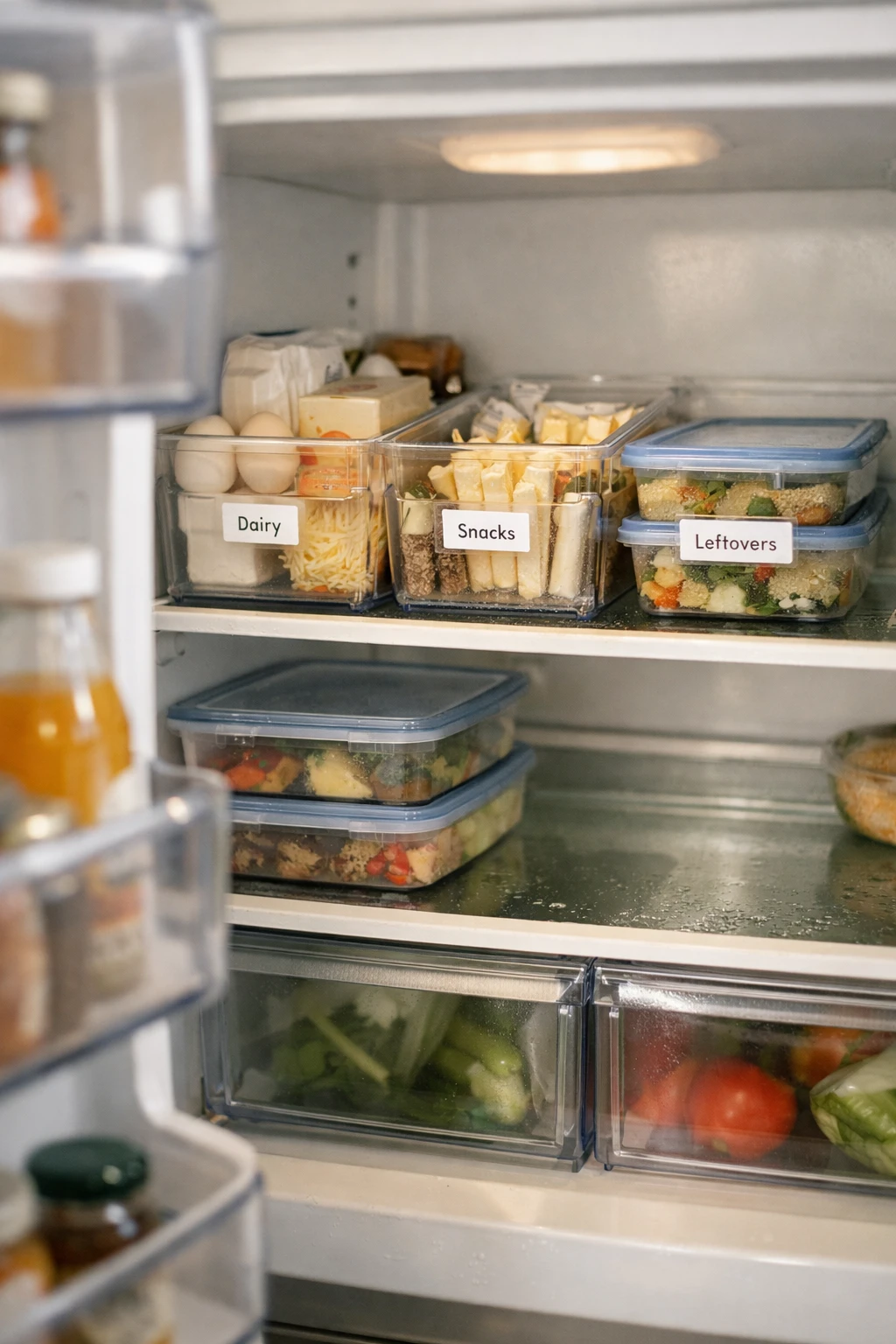
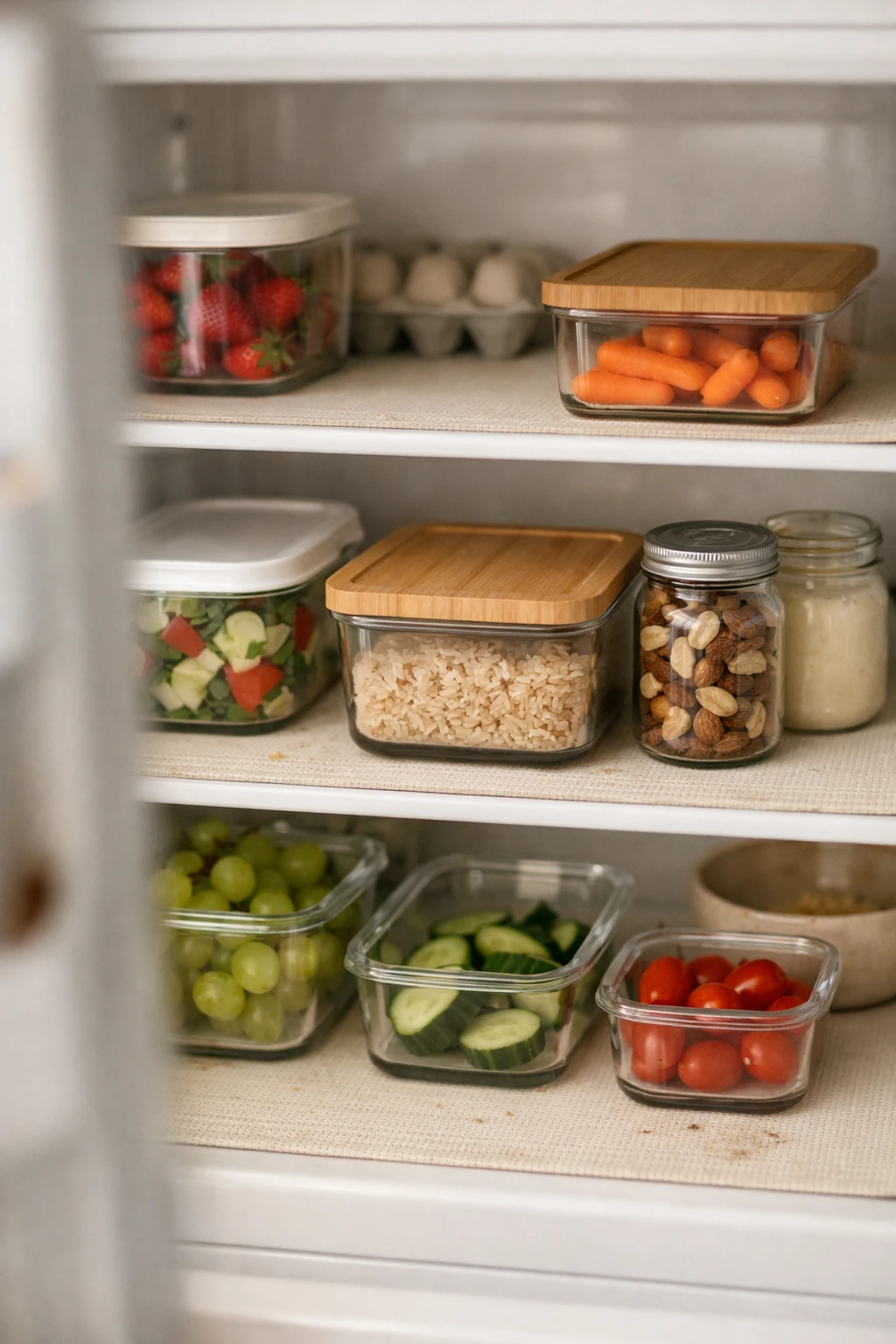
6. Use Stackable Containers for Leftovers
Mismatched containers create wasted space. Invest in a uniform, stackable set that fits neatly together.
Look for:
• Square or rectangular shapes
• Flat lids
• Clear sides
Stackable containers create vertical storage and make leftovers easy to identify.
When everything stacks evenly, your fridge looks intentional instead of overcrowded.
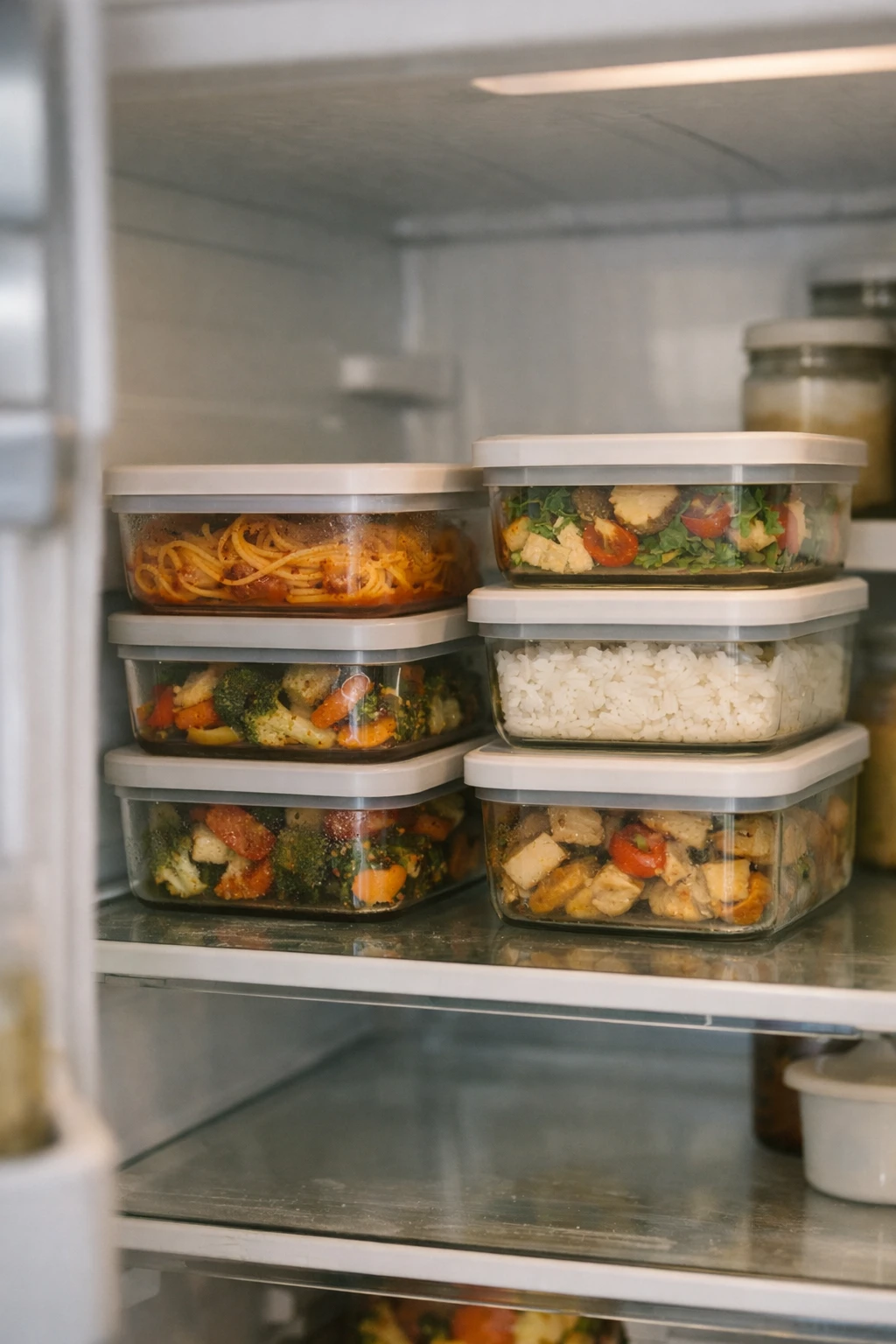
7. Keep a Dedicated Snack Bin for Kids
Designate one easy-to-reach bin for grab-and-go snacks.
Fill it with:
• Pre-cut fruit
• Cheese sticks
• Yogurt tubes
• Small juice bottles
Place it on a lower shelf so children can access it without rearranging the entire fridge.
This encourages independence while maintaining order.
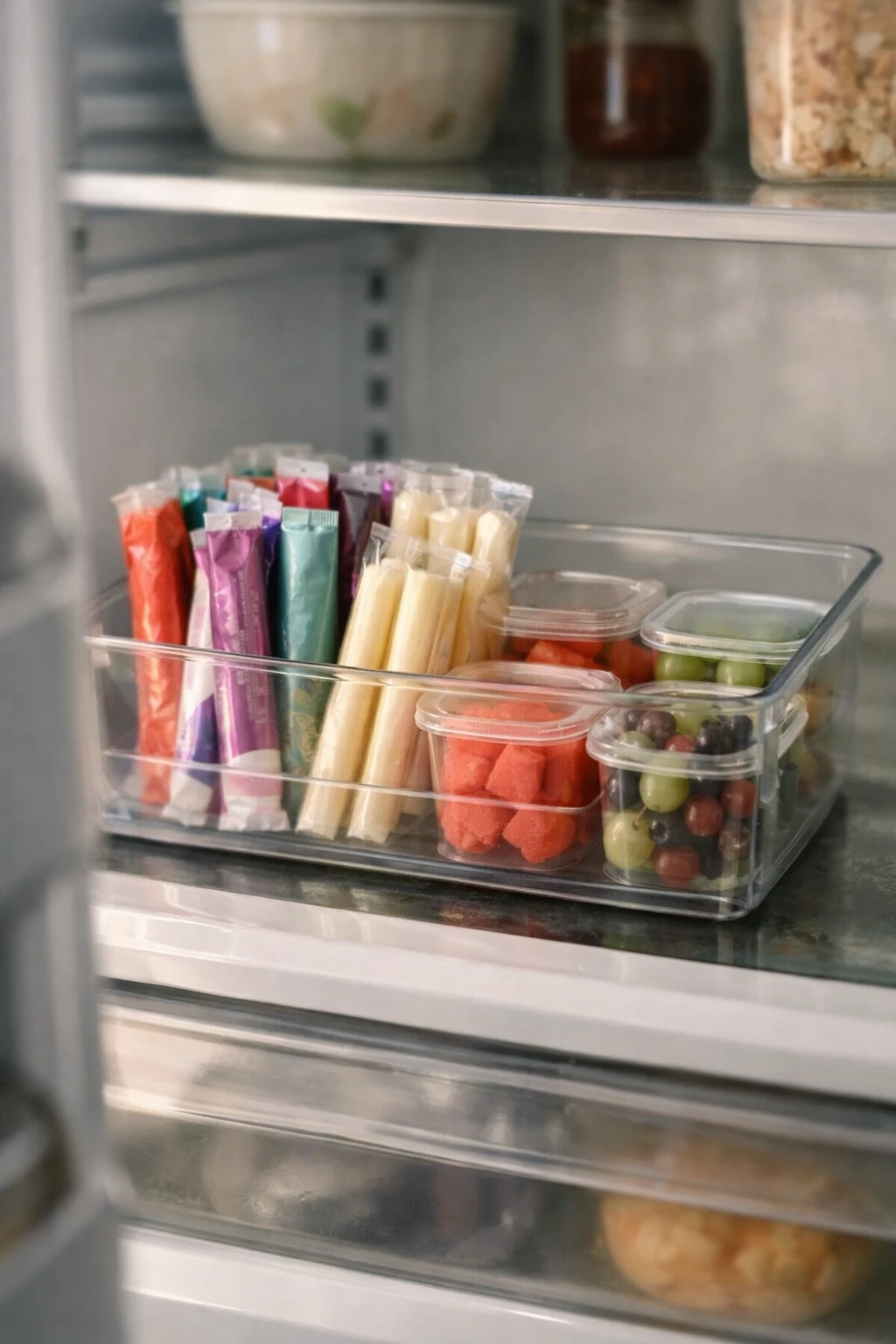
8. Store Drinks in a Designated Beverage Zone
Beverages often take over shelf space. Create one defined drink section.
Options include:
• A drink bin for sparkling water
• A can dispenser
• A narrow drink rack
Keeping drinks contained prevents them from rolling around and crowding food storage.
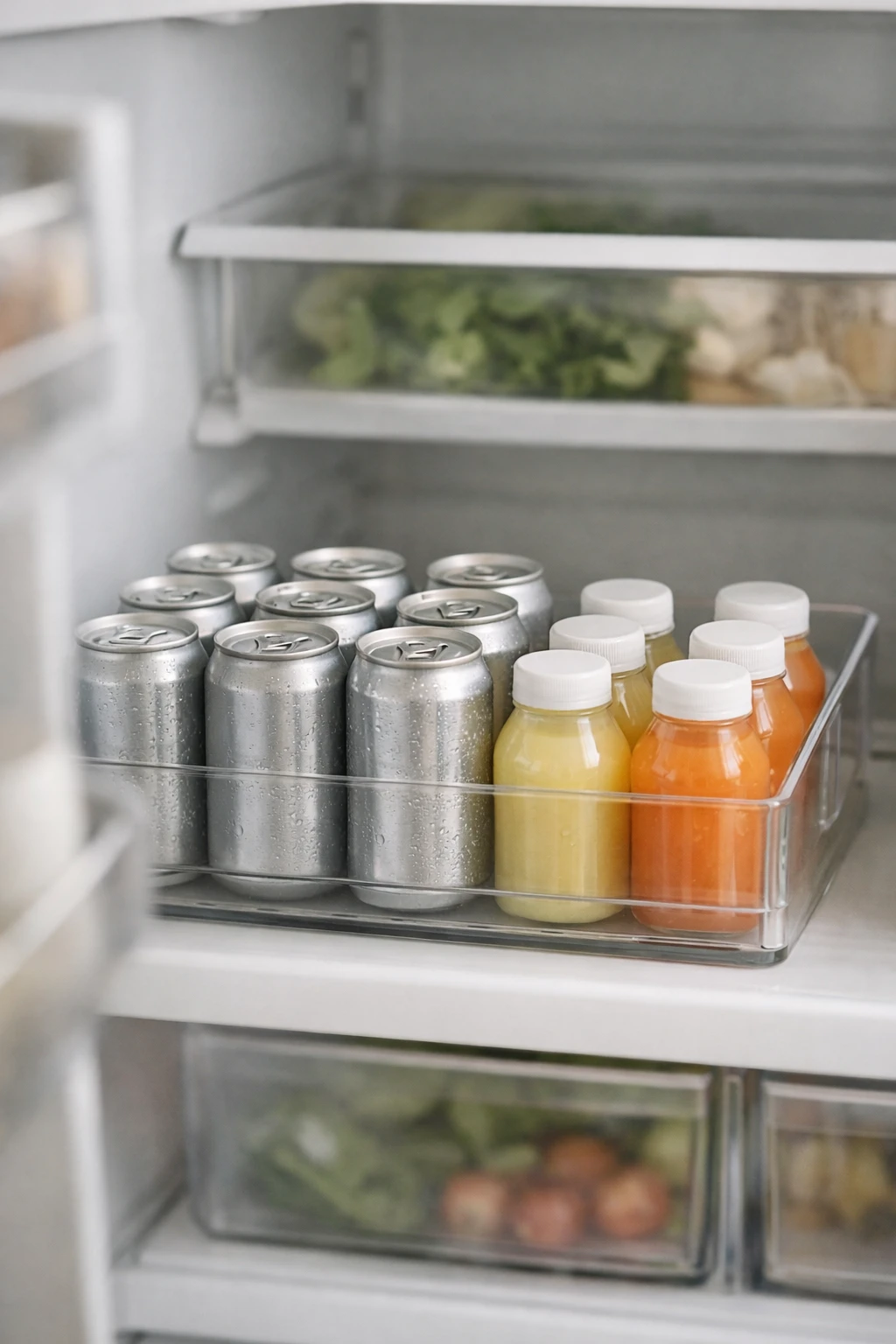
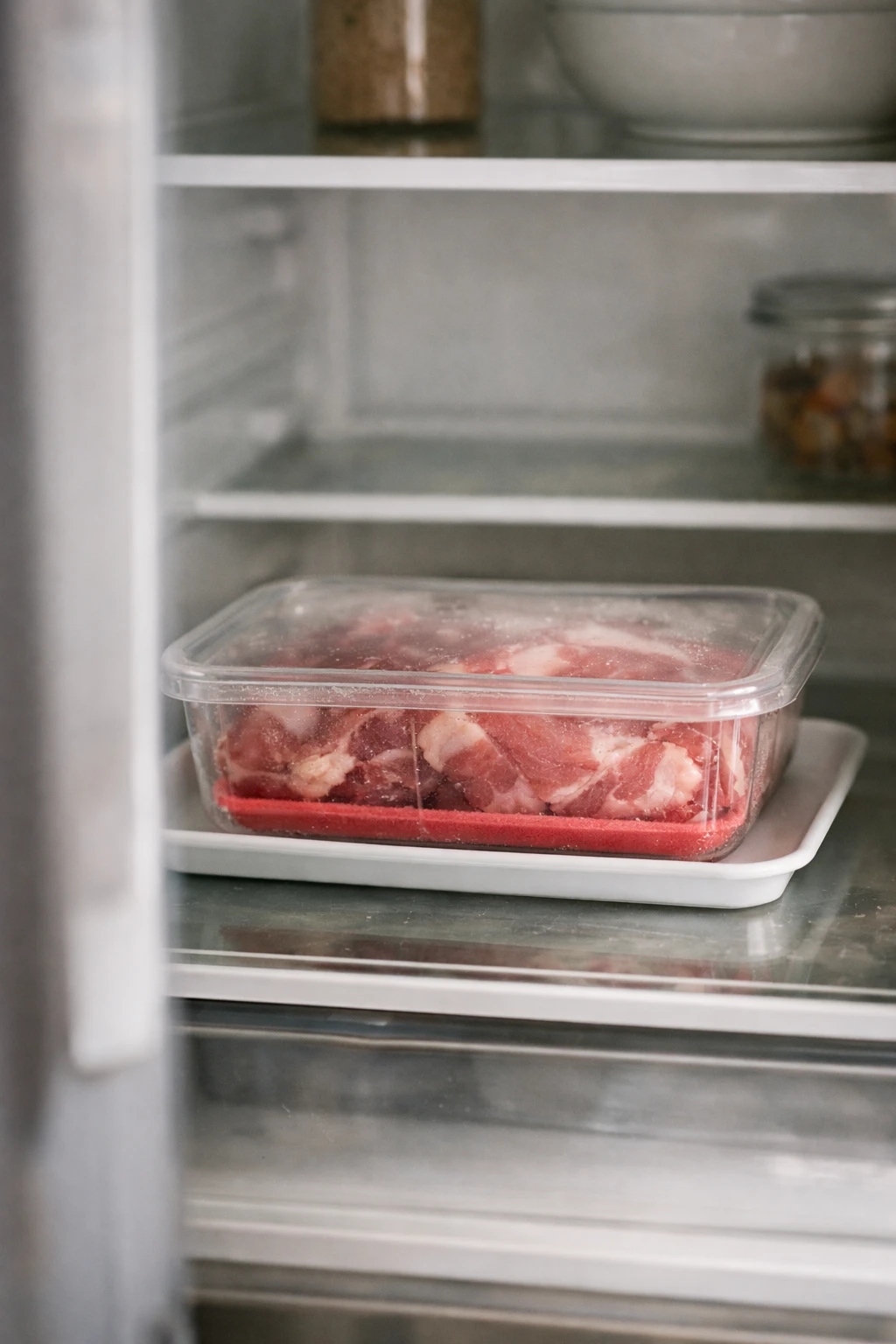
9. Keep Raw Meat on the Lowest Shelf
Food safety matters. Always store raw meat on the lowest shelf to prevent drips from contaminating other foods.
Use a sealed container or tray underneath to catch leaks.
This protects your family and keeps cleanup simple.
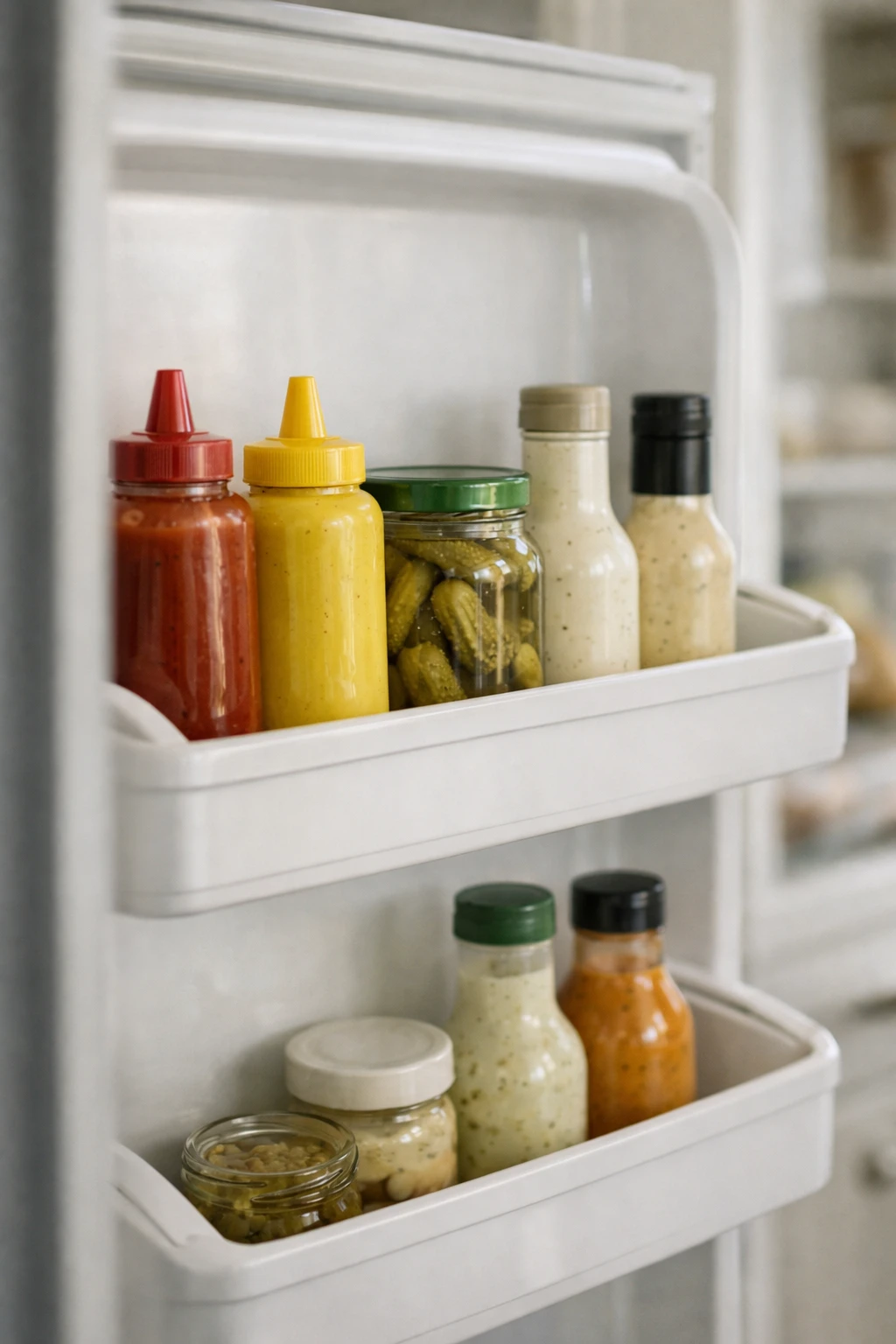
10. Use Door Space Strategically
Refrigerator doors are warmer than interior shelves. Store shelf-stable items there like:
• Ketchup
• Mustard
• Pickles
• Sauces
Avoid storing milk or eggs in the door if possible, since temperature fluctuates more.
11. Implement a First-In, First-Out System
Rotate groceries each week.
Move older items to the front and place new purchases behind them. This small habit reduces food waste and saves money.
A simple rule: if you can’t see it, you probably won’t eat it.
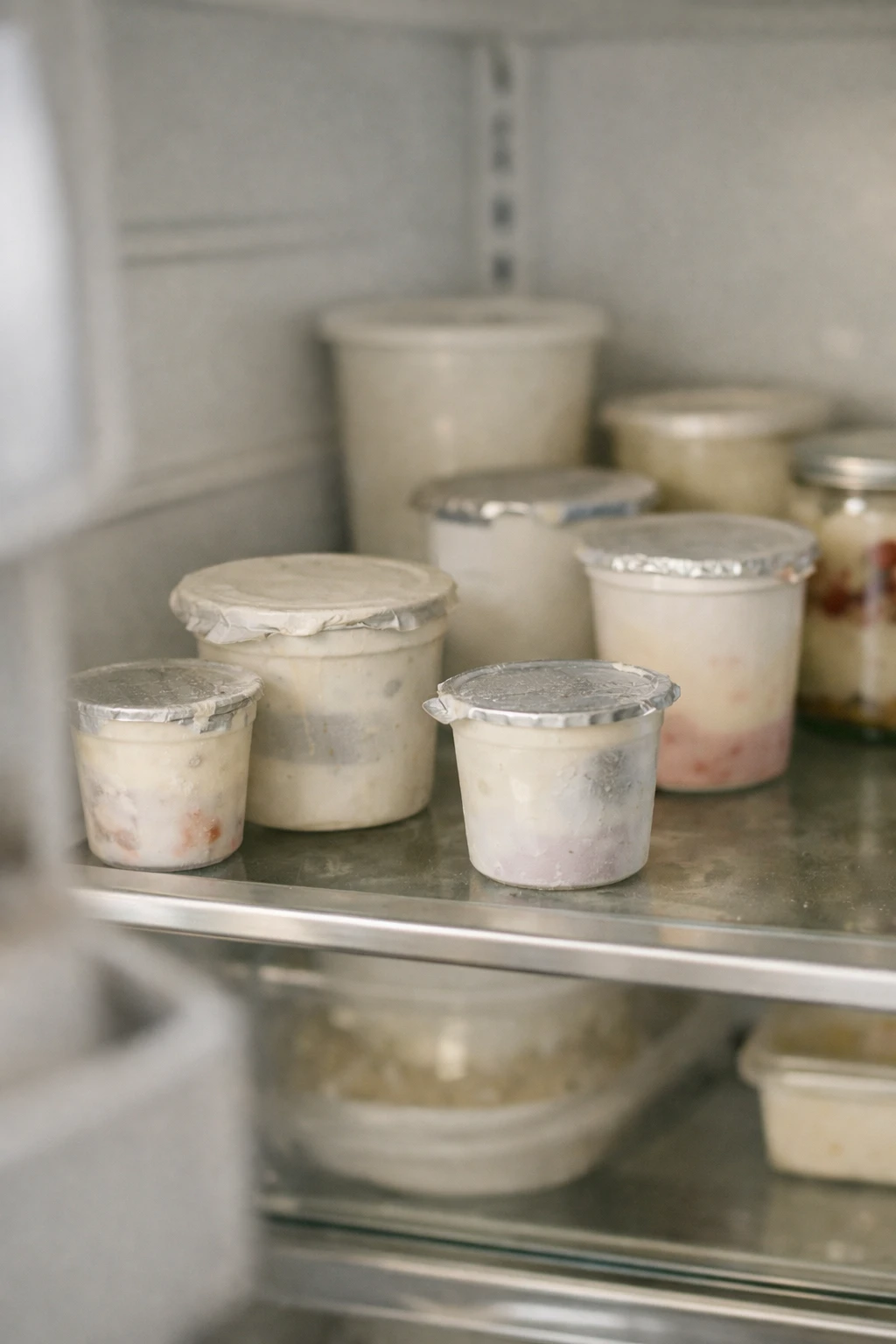
12. Add Fridge Drawer Liners
Washable liners protect shelves from spills and add a clean look.
Choose neutral tones or clear liners for a subtle aesthetic. They make cleaning faster and extend the life of shelves.
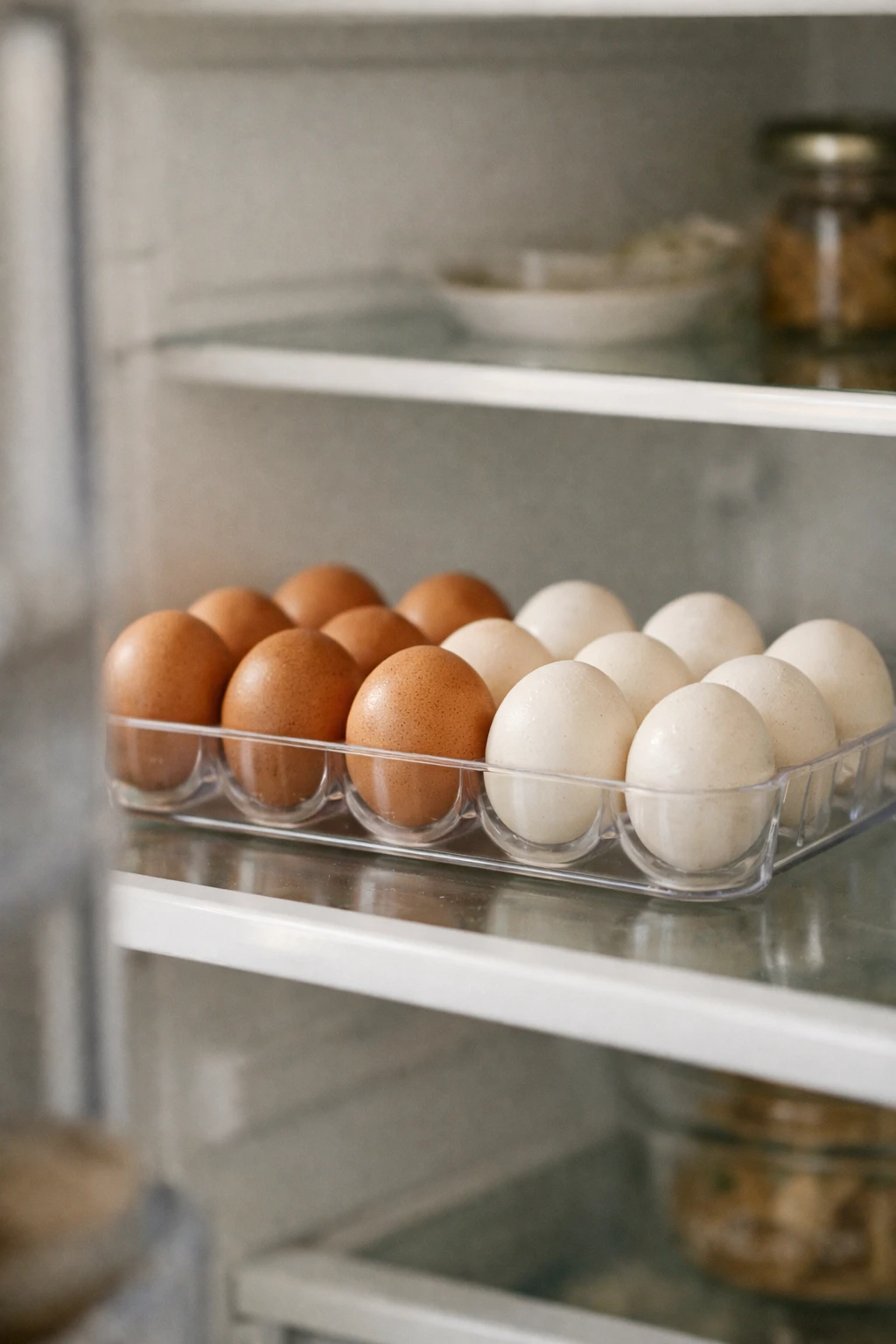
13. Use Egg Holders Instead of Cartons
Egg organizers stack better than bulky cartons.
They free up shelf space and create a uniform look.
Clear holders also help you monitor how many eggs remain.
14. Store Herbs in Glass Jars with Water
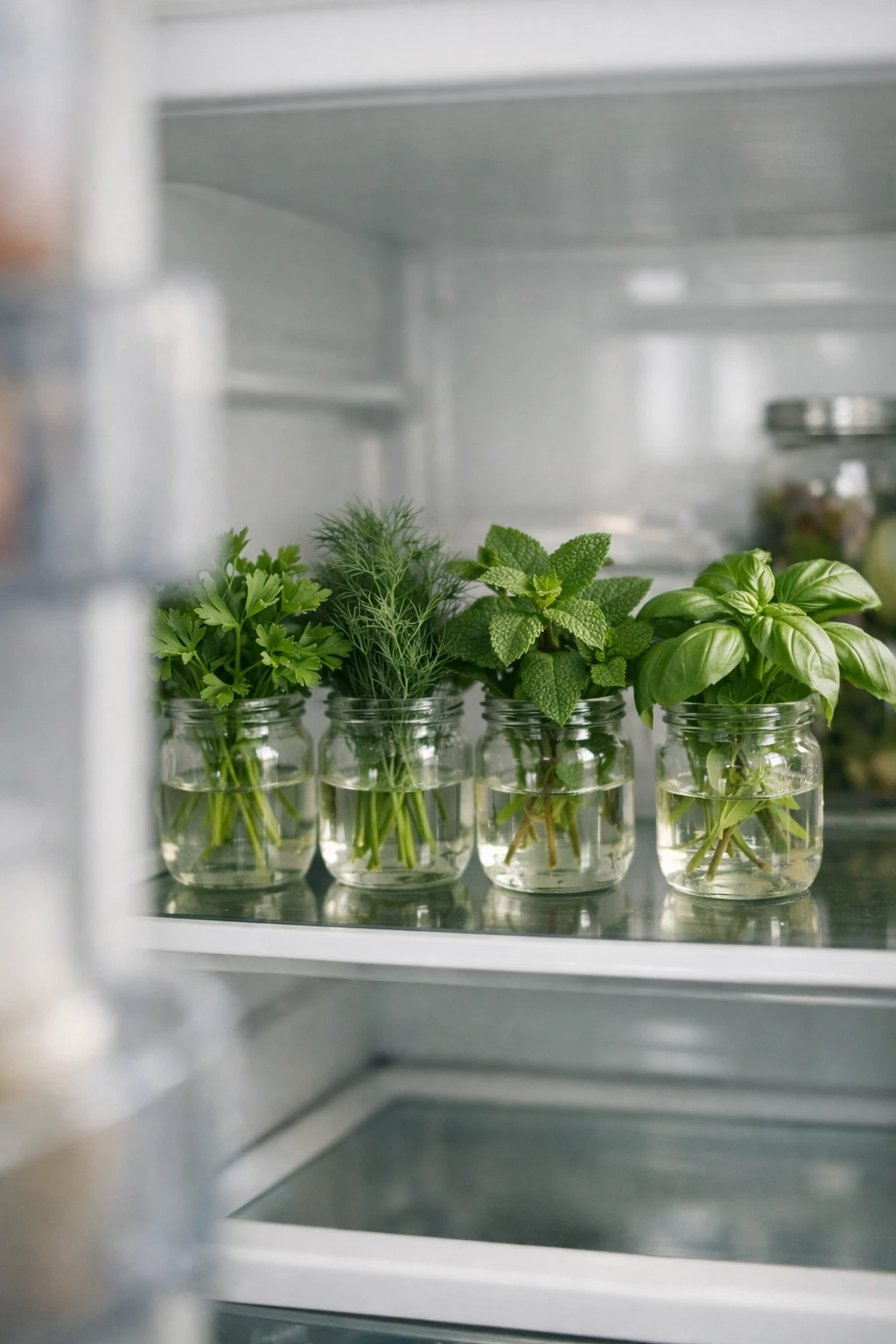
Treat fresh herbs like flowers.
Place stems in small jars with water and loosely cover with a reusable bag. This keeps herbs fresher longer and makes them easier to see.
15. Dedicate a Meal Prep Shelf
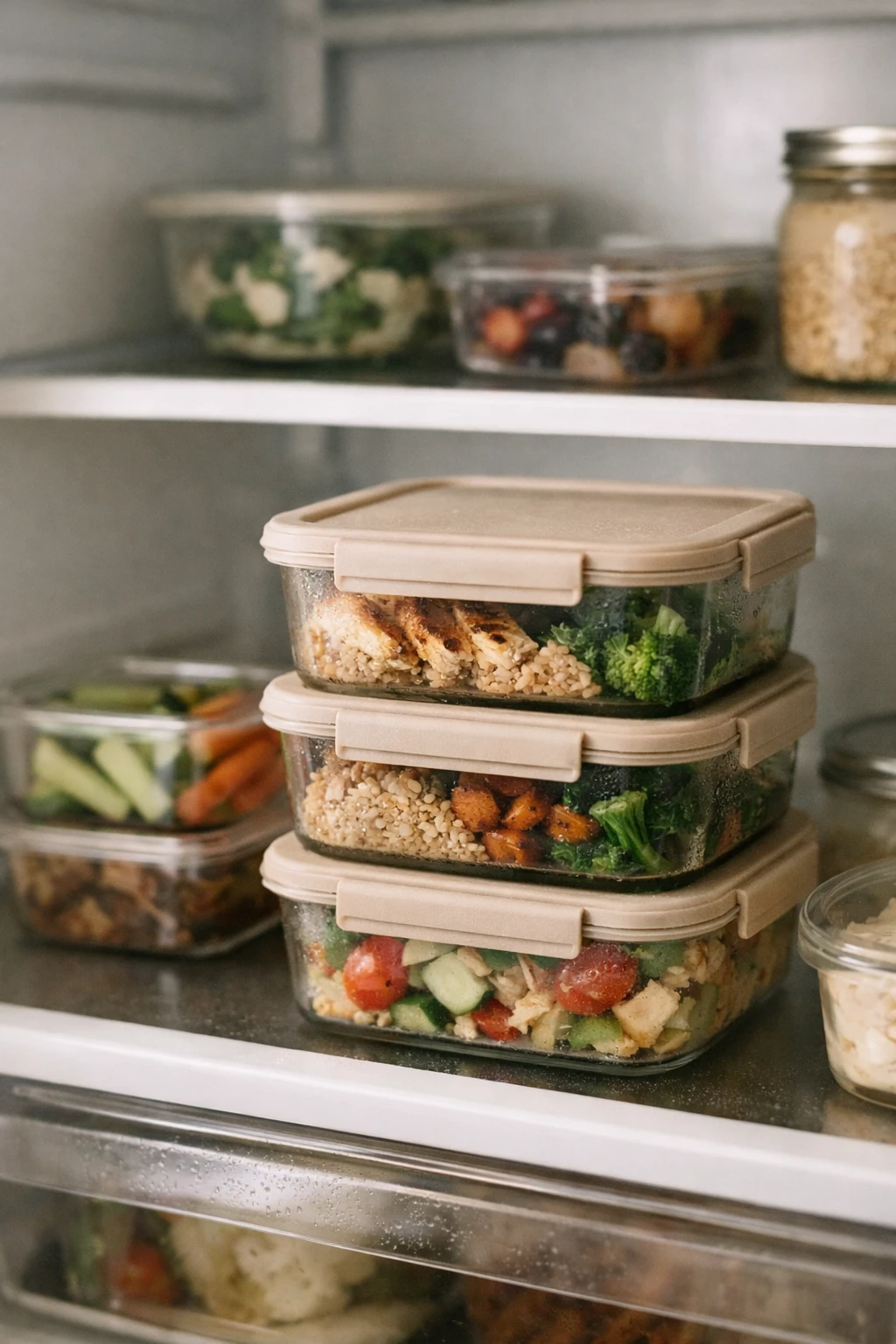
If you meal prep weekly, create a single shelf just for prepared meals.
Uniform containers keep it tidy and make weekday dinners stress-free.
16. Keep a Small Inventory List
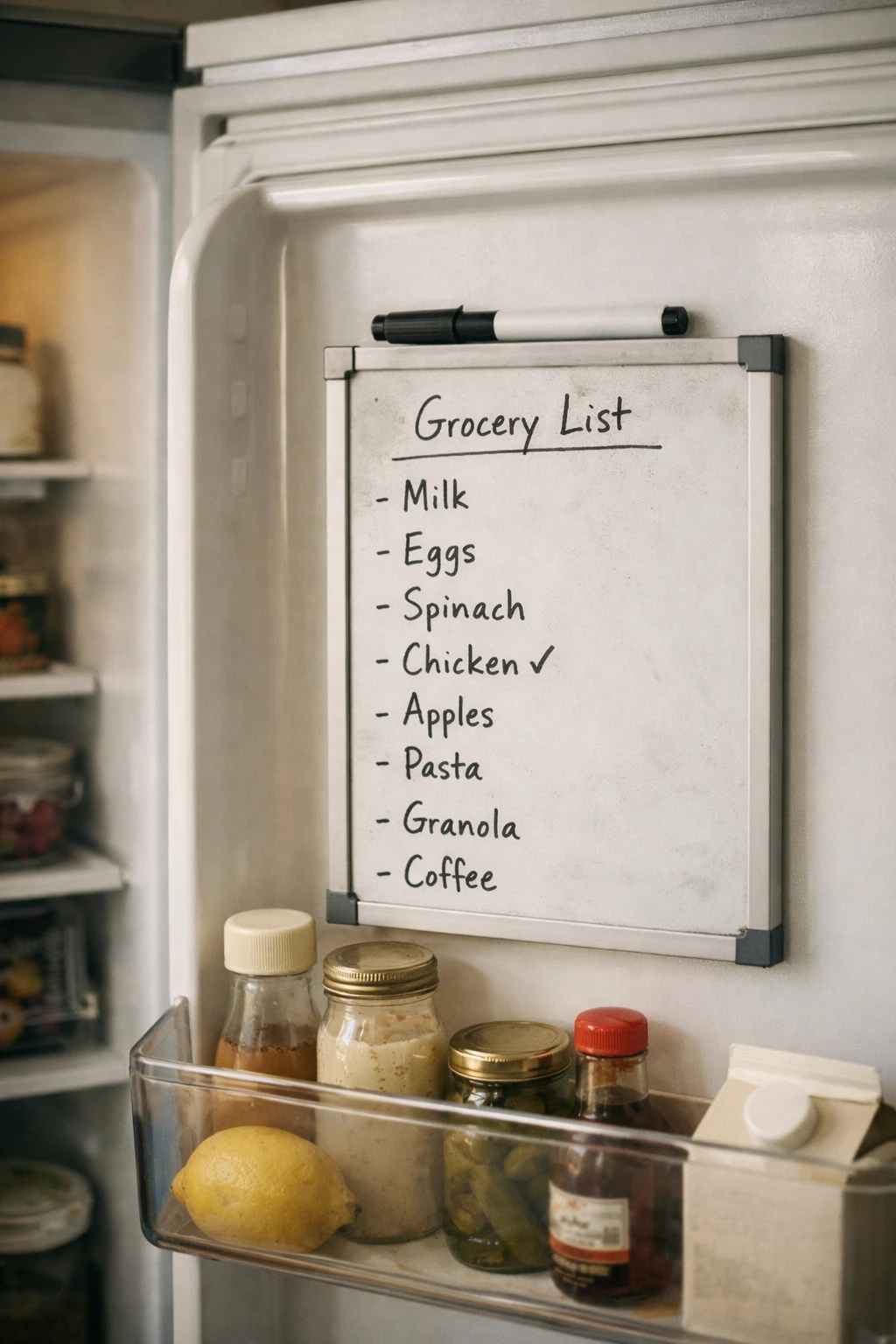
Attach a small dry erase board inside the fridge door or nearby.
Write down items that need restocking. This prevents overbuying and reduces food waste.
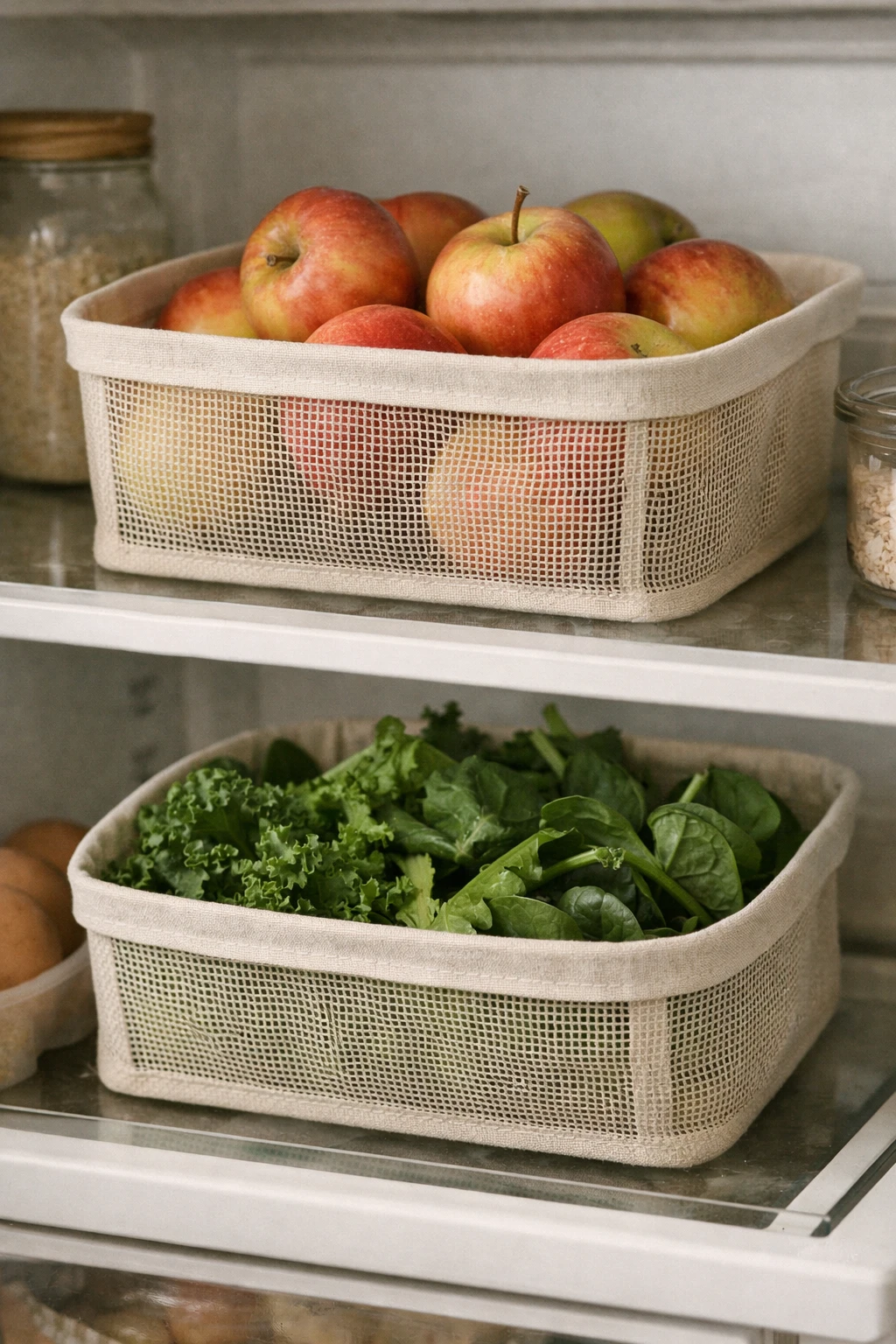
17. Use Clear Produce Bins on Shelves
If drawer space is limited, use breathable bins directly on shelves.
This works especially well in smaller apartment refrigerators.
18. Maintain Weekly Reset Routine
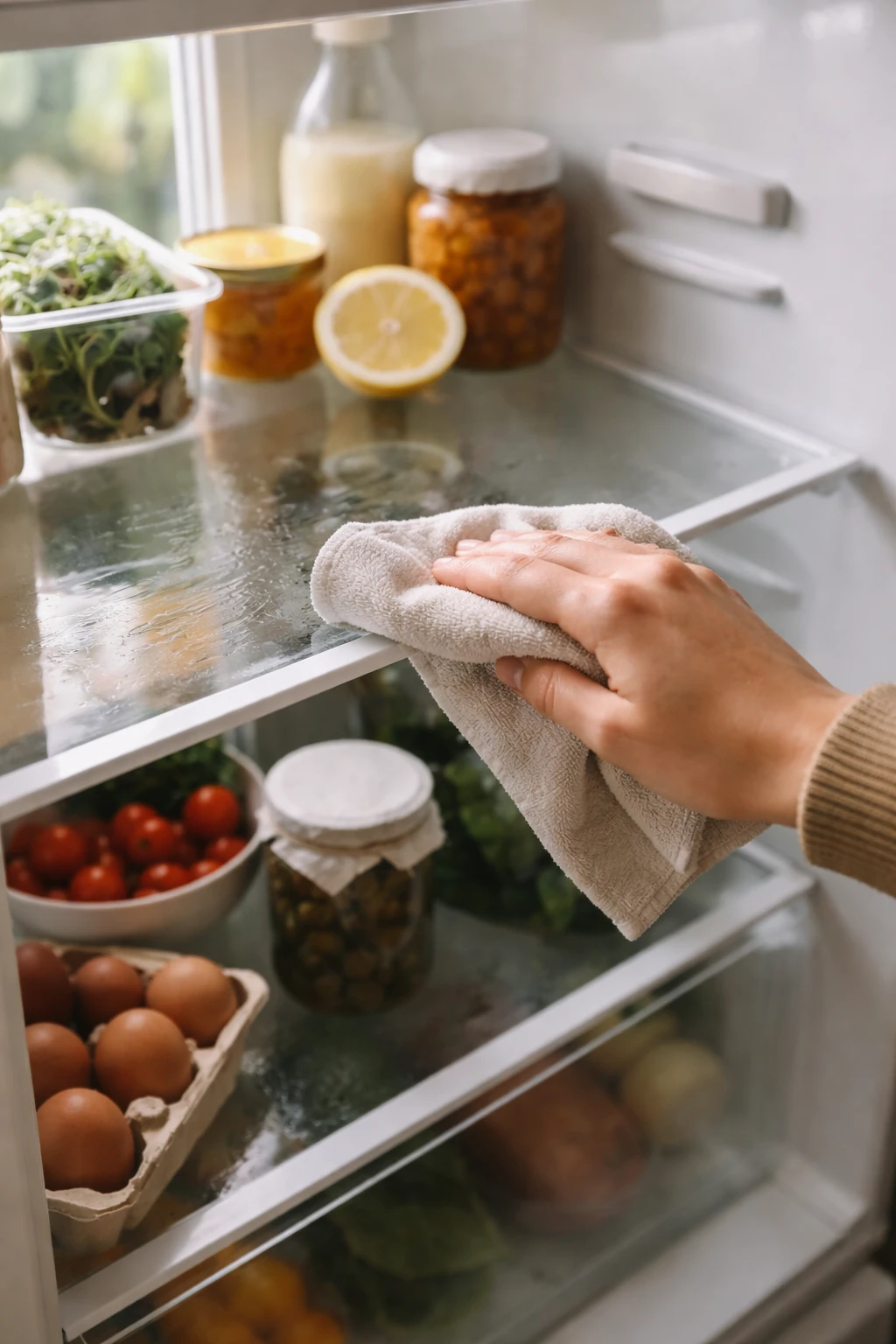
Choose one day each week to:
• Toss expired food
• Wipe shelves
• Rotate items
• Restock bins
A 10-minute reset keeps everything under control.
19. Create a Balanced Aesthetic
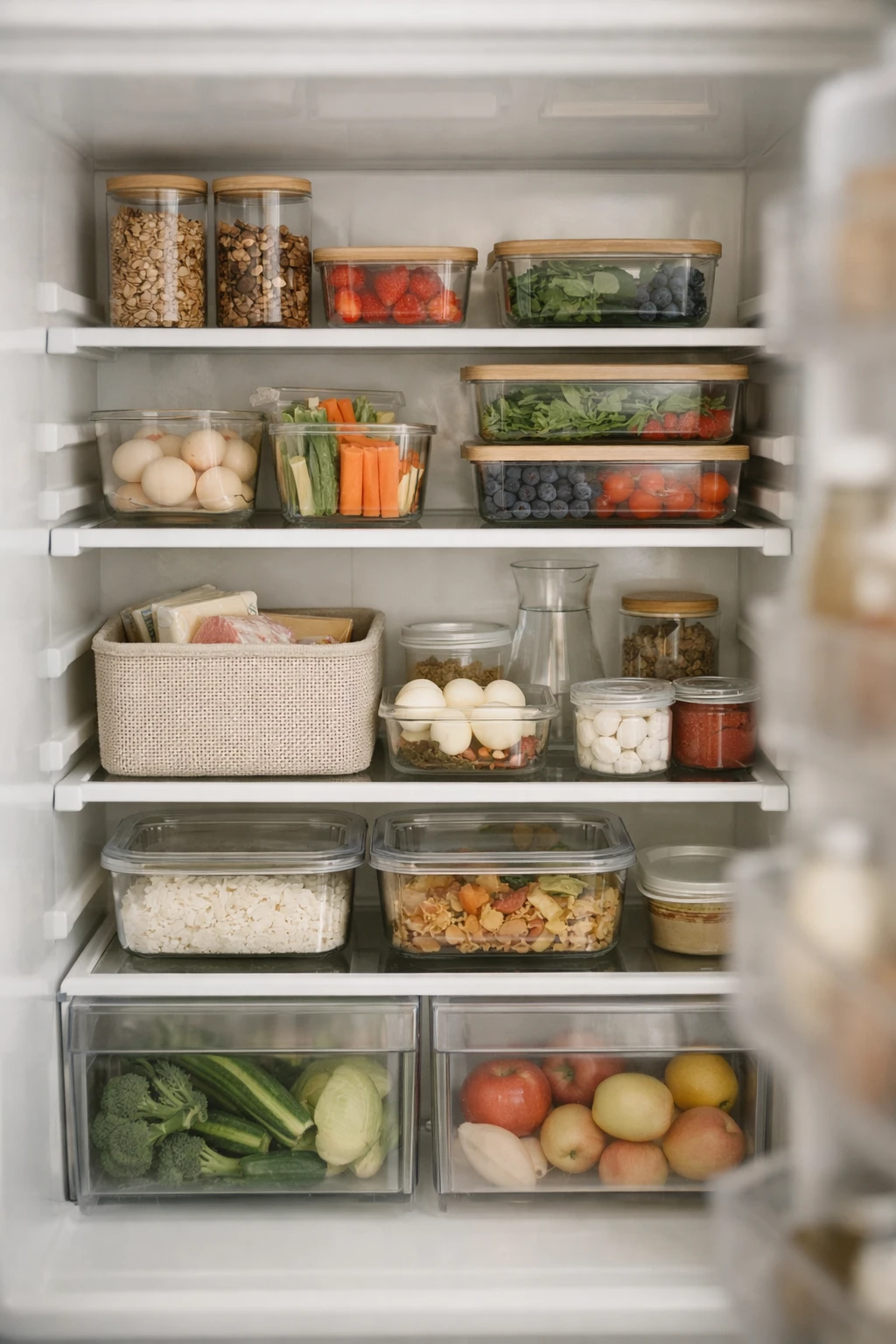
A refrigerator can feel both practical and beautiful.
Stick to:
• Neutral storage containers
• Consistent labeling
• Clear materials
• Minimal overcrowding
When function and style work together, your fridge supports your daily life instead of creating stress.
Refrigerator Organization Comparison Table
| Method | Best For | Budget Level | Maintenance Level |
|---|---|---|---|
| Clear Bins | Families with kids | Low to Medium | Low |
| Stackable Containers | Meal preppers | Medium | Low |
| Lazy Susan | Condiment-heavy homes | Low | Low |
| Drawer Organizers | Produce lovers | Medium | Medium |
| Labeling System | Shared households | Low | Very Low |
A thoughtful refrigerator layout saves time, reduces waste, and keeps your kitchen running smoothly. Start with one or two ideas and build from there.
Conclusion
A well-organized refrigerator does more than look neat. It saves time during busy weekdays, cuts down on food waste, and makes grocery planning more intentional. When you can clearly see what you have, you naturally make better use of your ingredients.
The key is not to implement all 19 ideas at once. Start with one or two changes — maybe clear bins or a simple zoning system. Once that becomes part of your routine, build from there. Organization should feel supportive, not overwhelming.
Over time, these small habits create a refrigerator that works with your lifestyle instead of against it. Balanced storage, thoughtful placement, and consistent weekly resets turn your fridge into a space that feels clean, functional, and visually calm every single day.