

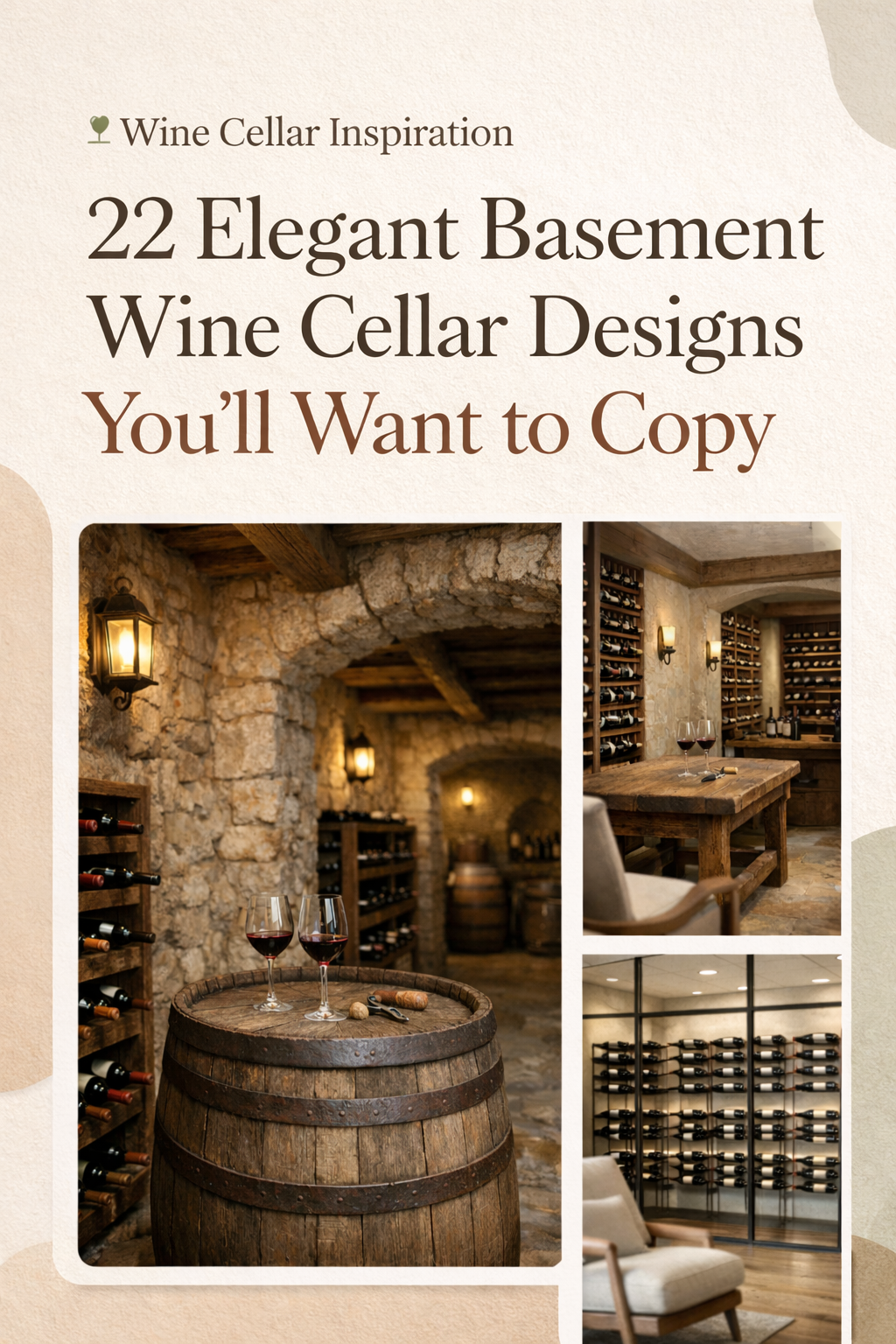
A well-designed basement wine cellar can turn an unused space into one of the most impressive features in a home. Wine storage is not just about organization. Proper storage protects flavor, maintains bottle quality, and creates a place where wine can age gracefully. At the same time, a thoughtfully designed cellar can add character and sophistication to a finished basement.
Basements naturally provide a cooler and darker environment than the rest of the home, making them ideal for wine storage. With modern design ideas, a basement wine cellar can also become a centerpiece for entertaining, relaxing, or hosting wine tastings with friends and family.
Some homeowners prefer a traditional cellar filled with wooden racks and warm lighting. Others choose sleek glass wine rooms that feel contemporary and visually striking. There are also creative layouts designed for small basements where space needs to be used efficiently.
The following ideas explore different styles, layouts, and materials that work beautifully in basement wine cellars. Whether you are storing a few dozen bottles or building a collector’s cellar, these designs offer inspiration for turning your basement into a stylish wine destination.
1. Classic Wooden Rack Basement Wine Cellar
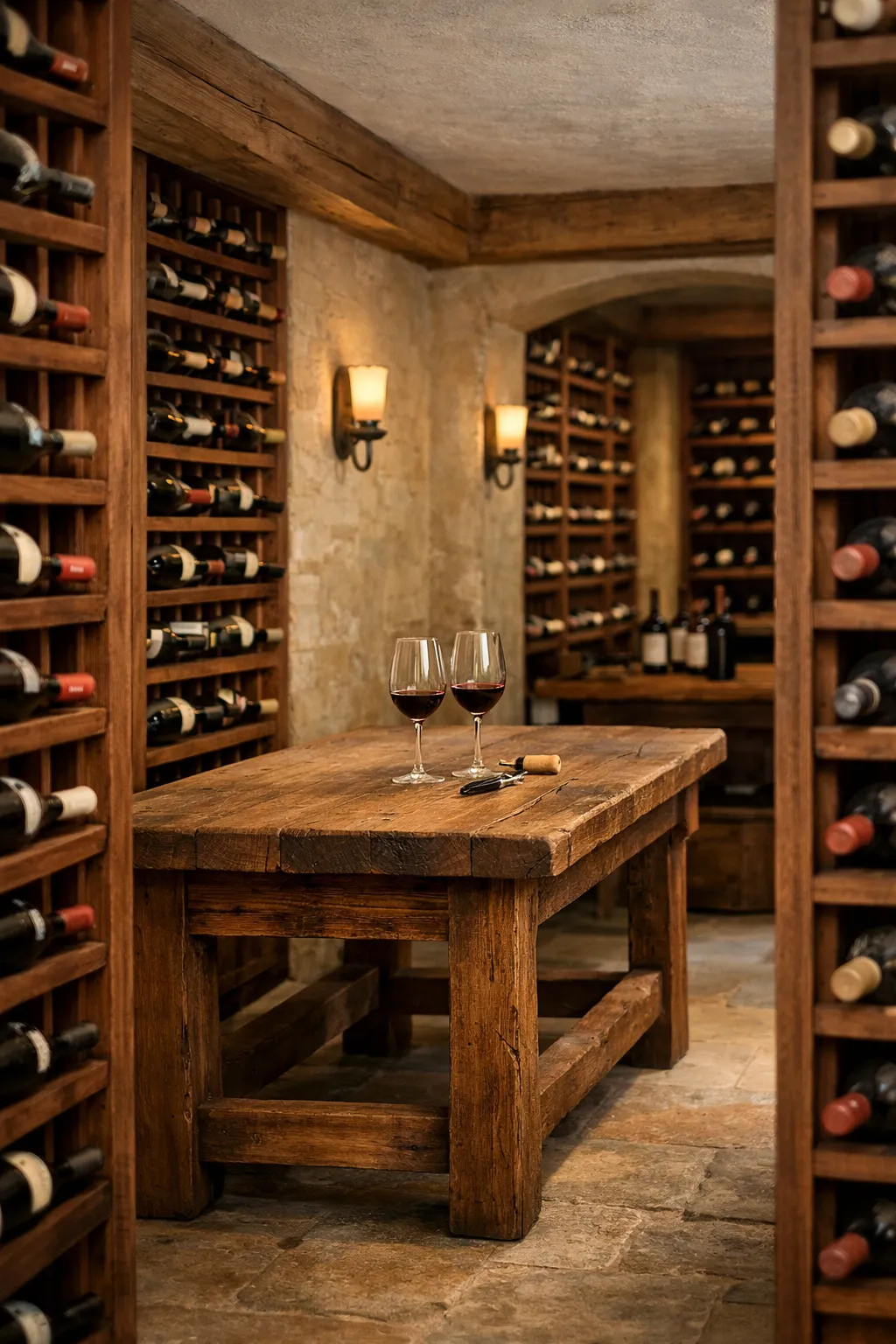
A classic wooden rack wine cellar is one of the most timeless ways to store wine in a basement. Wooden racks offer durability, warmth, and a traditional atmosphere that many wine lovers appreciate.
Mahogany, redwood, and white oak are commonly used materials because they resist humidity and age beautifully over time. Floor-to-ceiling racks maximize storage while keeping bottles organized and easy to access.
Soft lighting plays an important role in this design. Warm wall sconces or recessed lighting can illuminate the racks without exposing bottles to harsh light.
Many homeowners also include a small tasting table or barrel table in the center of the room. This creates a space where wine can be enjoyed without leaving the cellar.
2. Glass-Enclosed Modern Wine Cellar
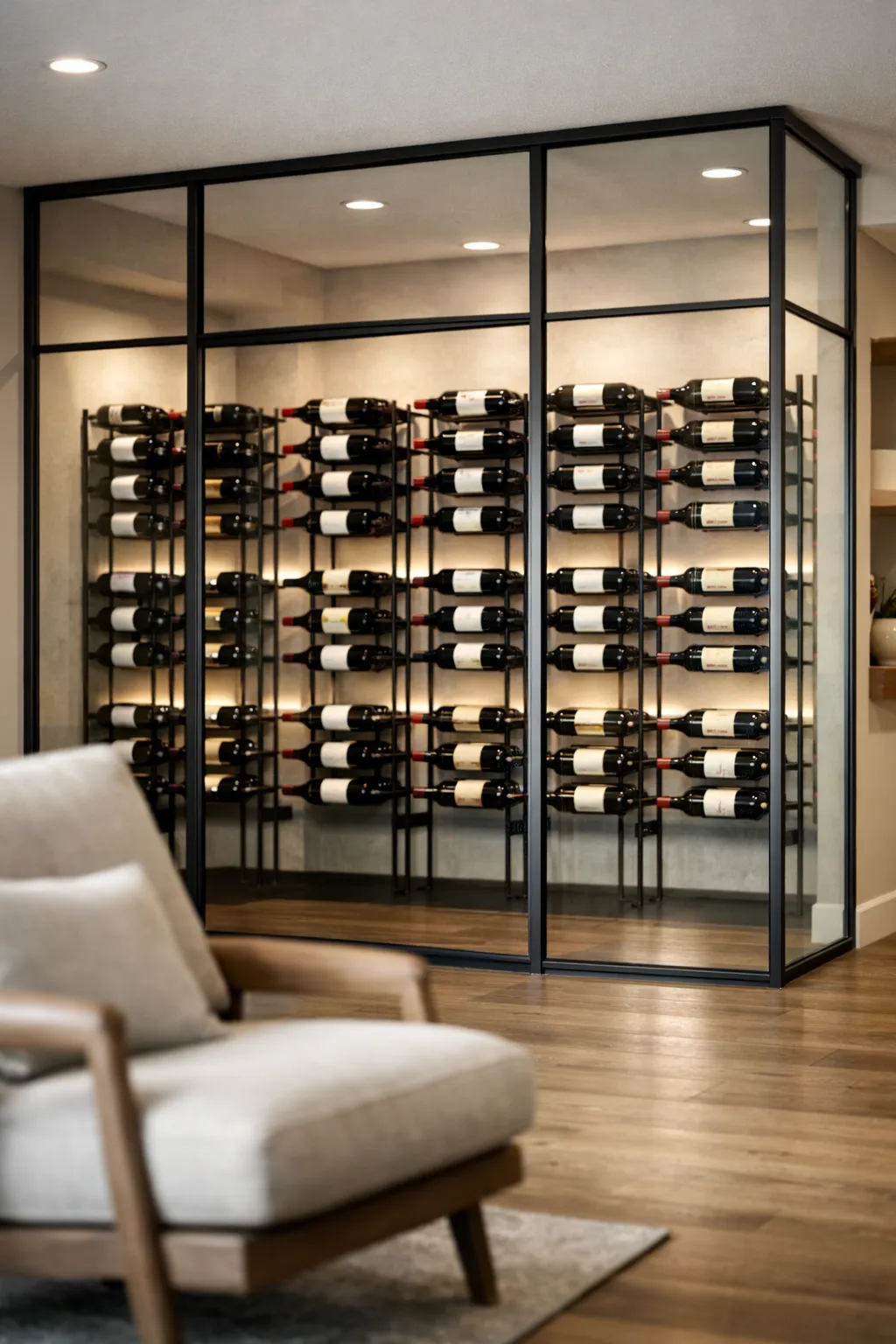
Glass wine cellars bring a contemporary feel to basement design. Instead of hiding wine storage behind solid walls, glass panels allow the collection to become part of the room’s decor.
Frameless glass walls paired with black metal racks create a clean and modern appearance. This style is especially popular in basements that include entertainment areas, lounges, or home bars.
LED accent lighting installed behind racks highlights the bottles and creates a soft glow in the evening. The result is a wine display that feels both elegant and functional.
Glass cellars work best when paired with temperature-controlled systems to maintain proper wine storage conditions.
3. Rustic Stone Wine Cave
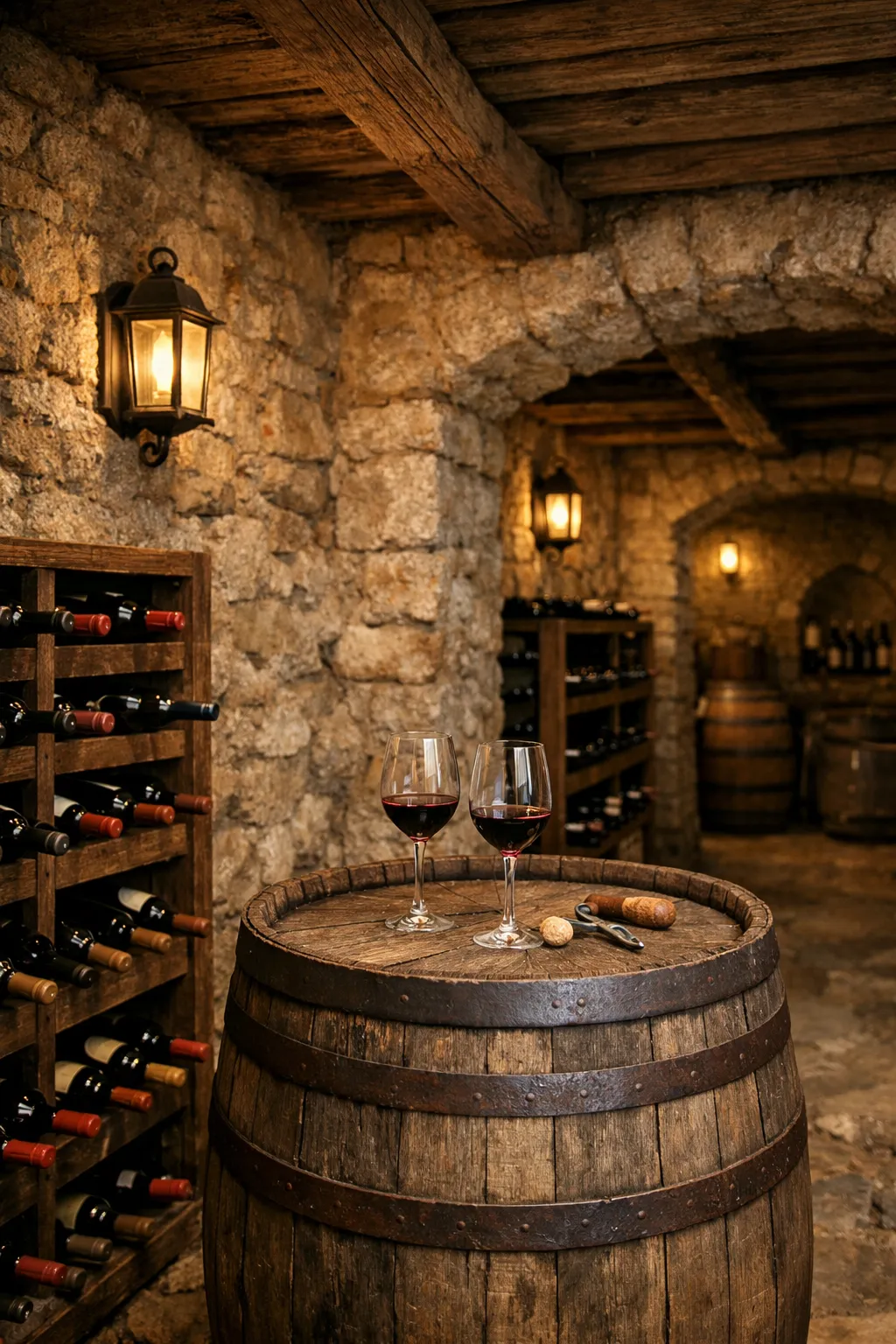
A rustic stone wine cellar brings old-world charm into the basement. Natural stone walls create a space that feels similar to traditional European wine caves.
The texture of stone combined with reclaimed wood racks adds warmth and authenticity. Wooden ceiling beams or stone archways can further enhance the design.
Lighting in this type of cellar is usually warm and soft. Lantern-style fixtures or wall sconces create a cozy environment that complements the rustic materials.
This design is ideal for homeowners who enjoy classic wine culture and want their cellar to feel timeless.
4. Under-Stair Wine Cellar
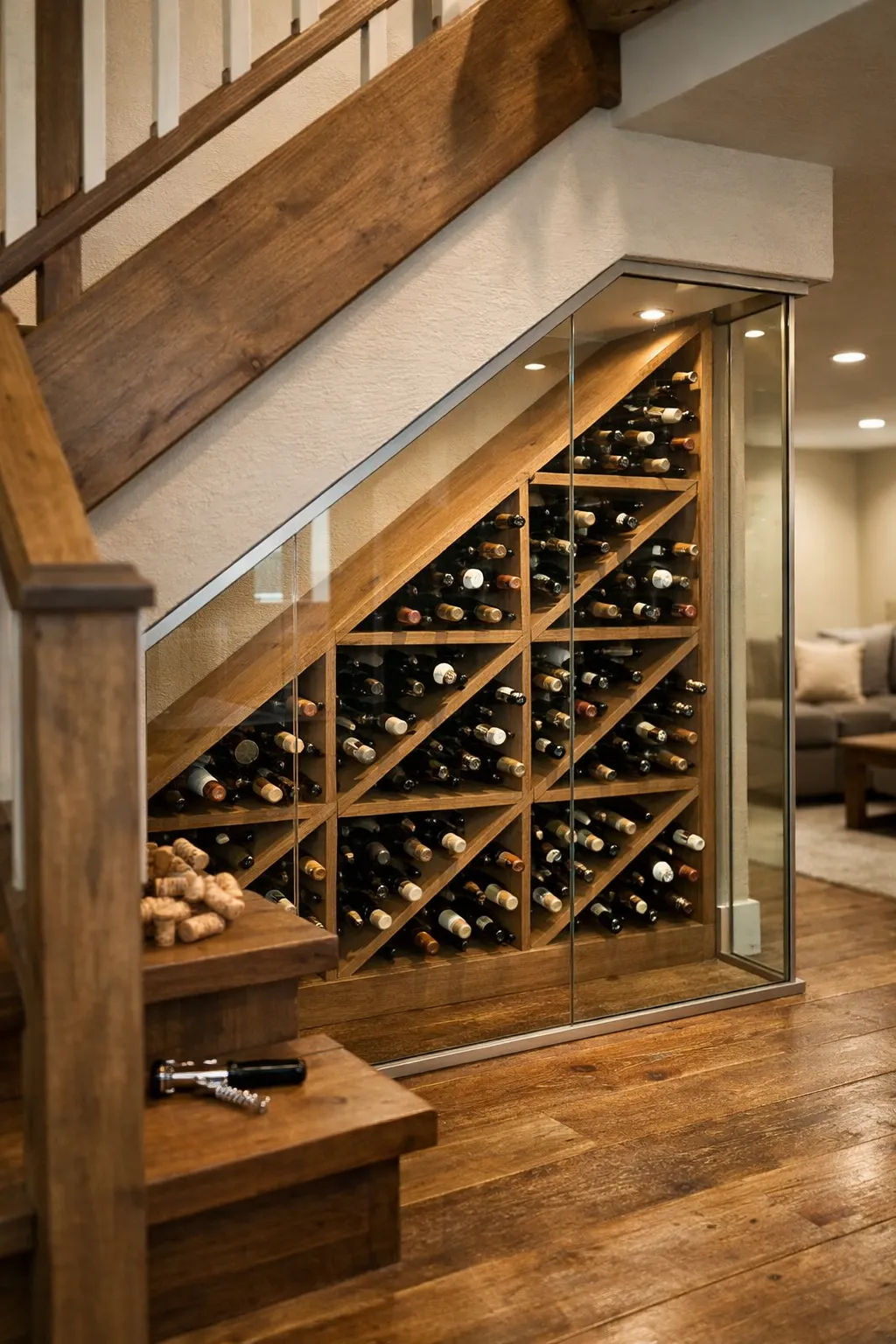
Using the space beneath a staircase is a clever way to create a compact basement wine cellar. This design turns an area that might otherwise go unused into a stylish storage feature.
Glass panels can enclose the triangular space while custom racks follow the angle of the staircase. The bottles become a visual feature that enhances the overall basement design.
Under-stair wine cellars are particularly useful in finished basements where efficient use of space is important.
Despite their smaller footprint, these cellars can still store dozens or even hundreds of bottles depending on the layout.
5. Industrial Style Basement Wine Cellar
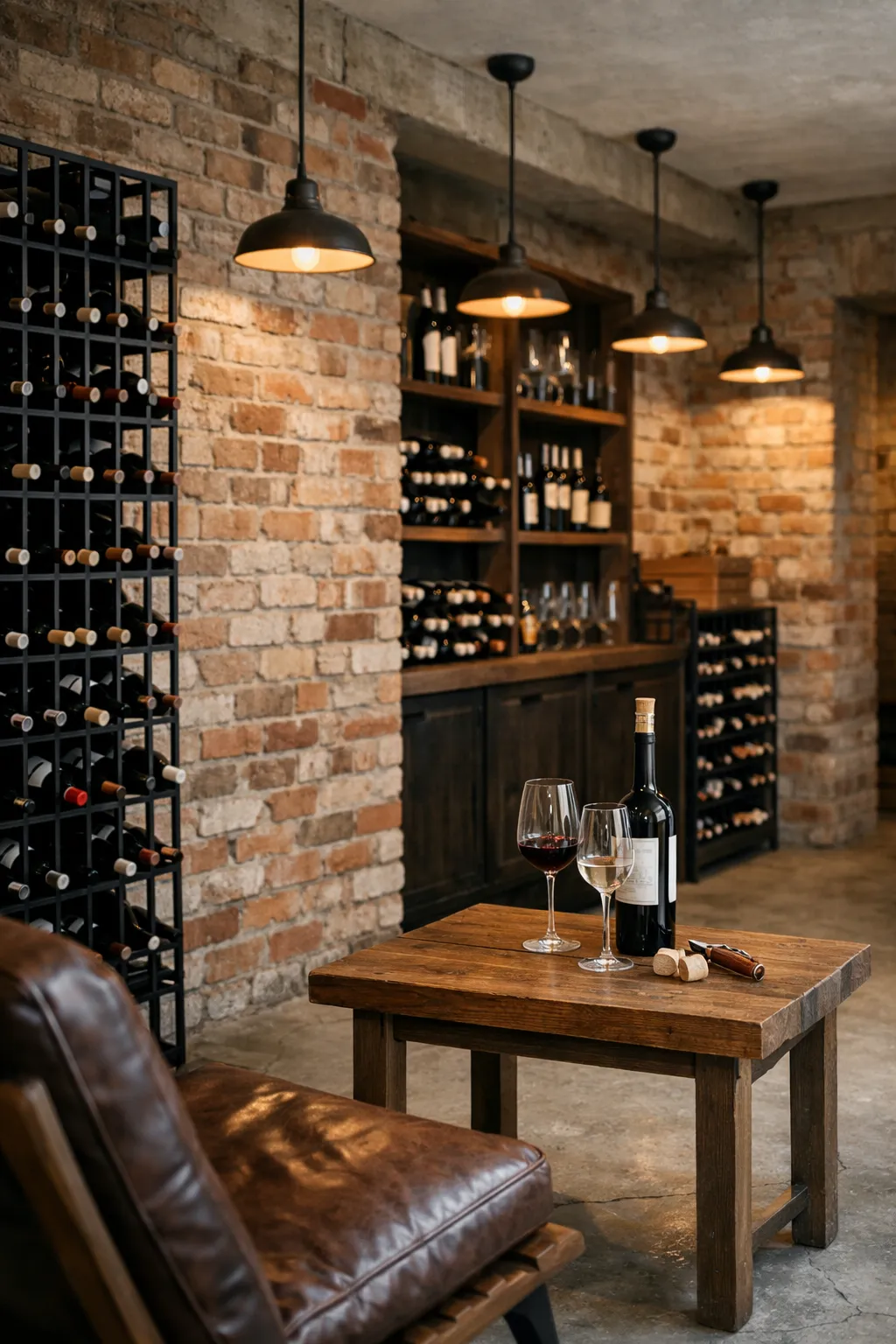
Industrial-style wine cellars combine raw materials and bold textures. Exposed brick walls, dark metal racks, and reclaimed wood shelves create a dramatic visual effect.
This style works especially well in basements with loft-inspired or urban design elements. Black steel racks mounted on brick or concrete walls give the space a strong architectural presence.
Pendant lights with metal finishes or cage-style fixtures help reinforce the industrial atmosphere.
The overall look feels modern yet slightly rugged, making it perfect for contemporary homes.
6. Compact Wine Storage Wall
A wine storage wall is a practical solution for homeowners who want wine storage without dedicating an entire room to a cellar.
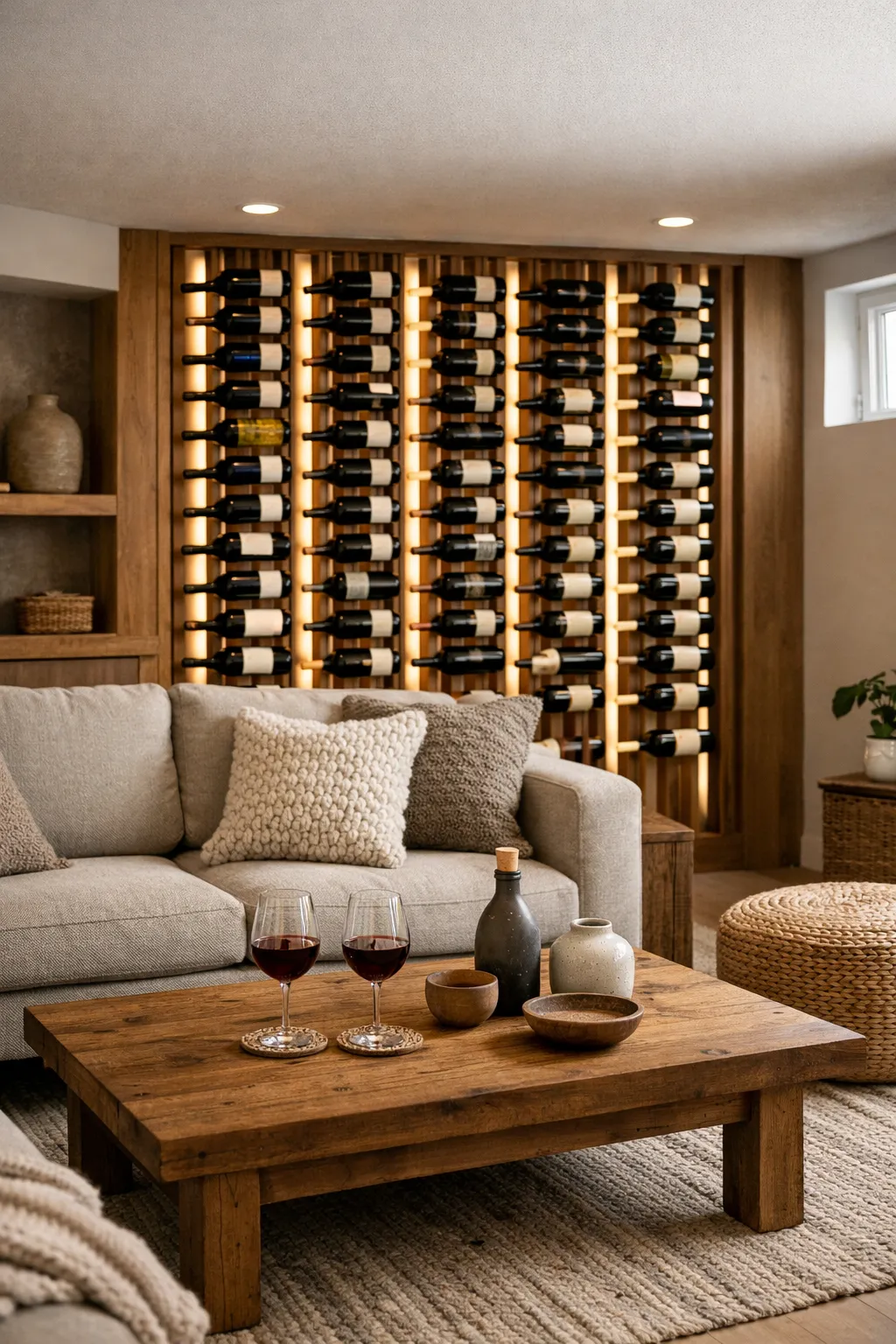
This design integrates wine racks directly into a basement wall. Bottles become part of the room’s decor while remaining organized and accessible.
Some wine walls include glass doors, while others remain open depending on the homeowner’s preference.
This layout works well in entertainment spaces such as
• basement lounges
• home theaters
• family gathering areas
• game rooms
It is an excellent option for casual wine collectors.
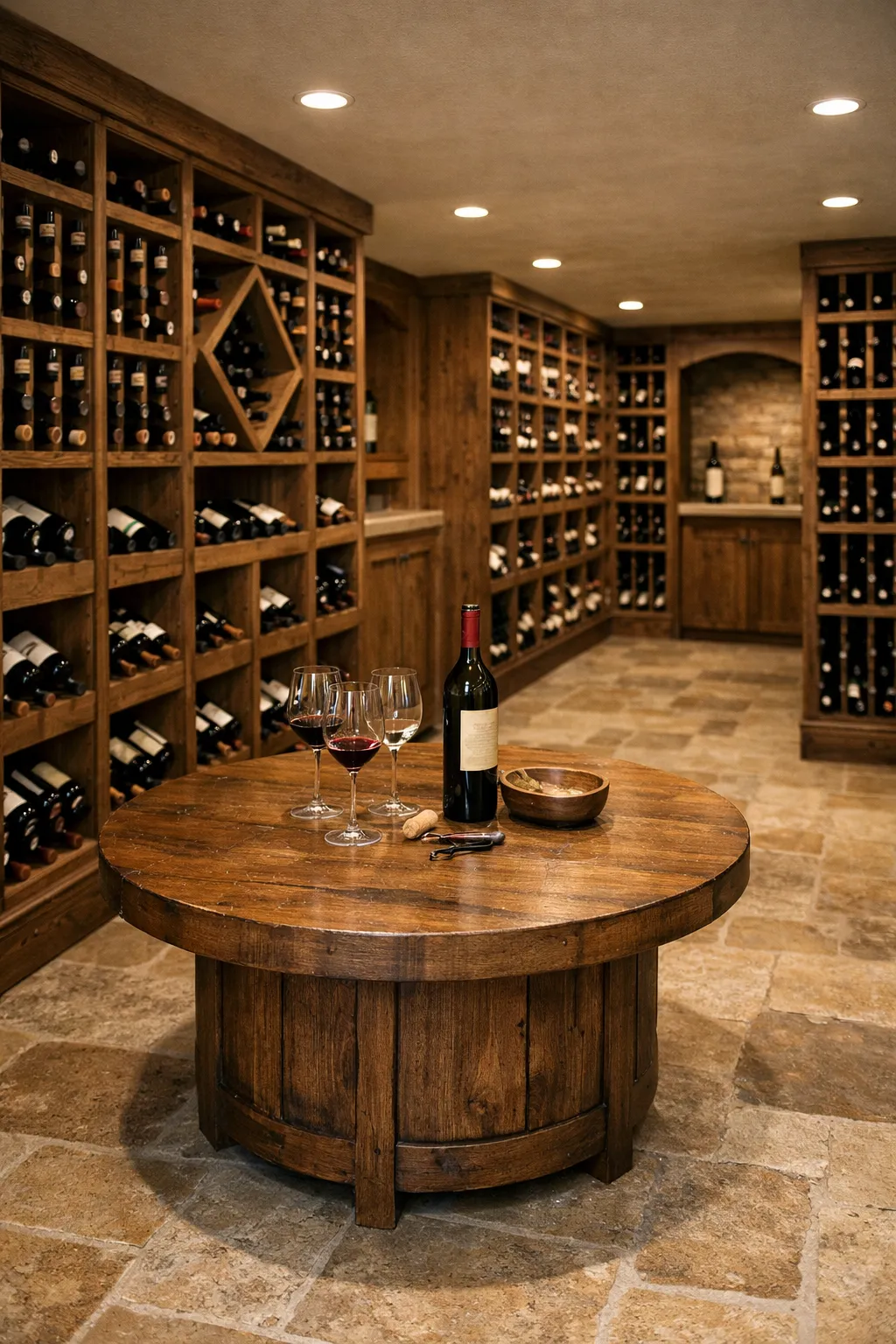
7. Luxury Walk-In Wine Cellar With Tasting Table
A walk-in wine cellar offers a more immersive experience for wine enthusiasts. This type of cellar often includes extensive storage racks surrounding the room with a tasting area in the center.
A large wooden table or barrel table provides space for opening bottles and hosting small tastings.
Materials often include wood paneling, stone accents, and decorative lighting that gives the room a luxurious feel.
For serious collectors, this design allows hundreds or even thousands of bottles to be stored in a dedicated environment.
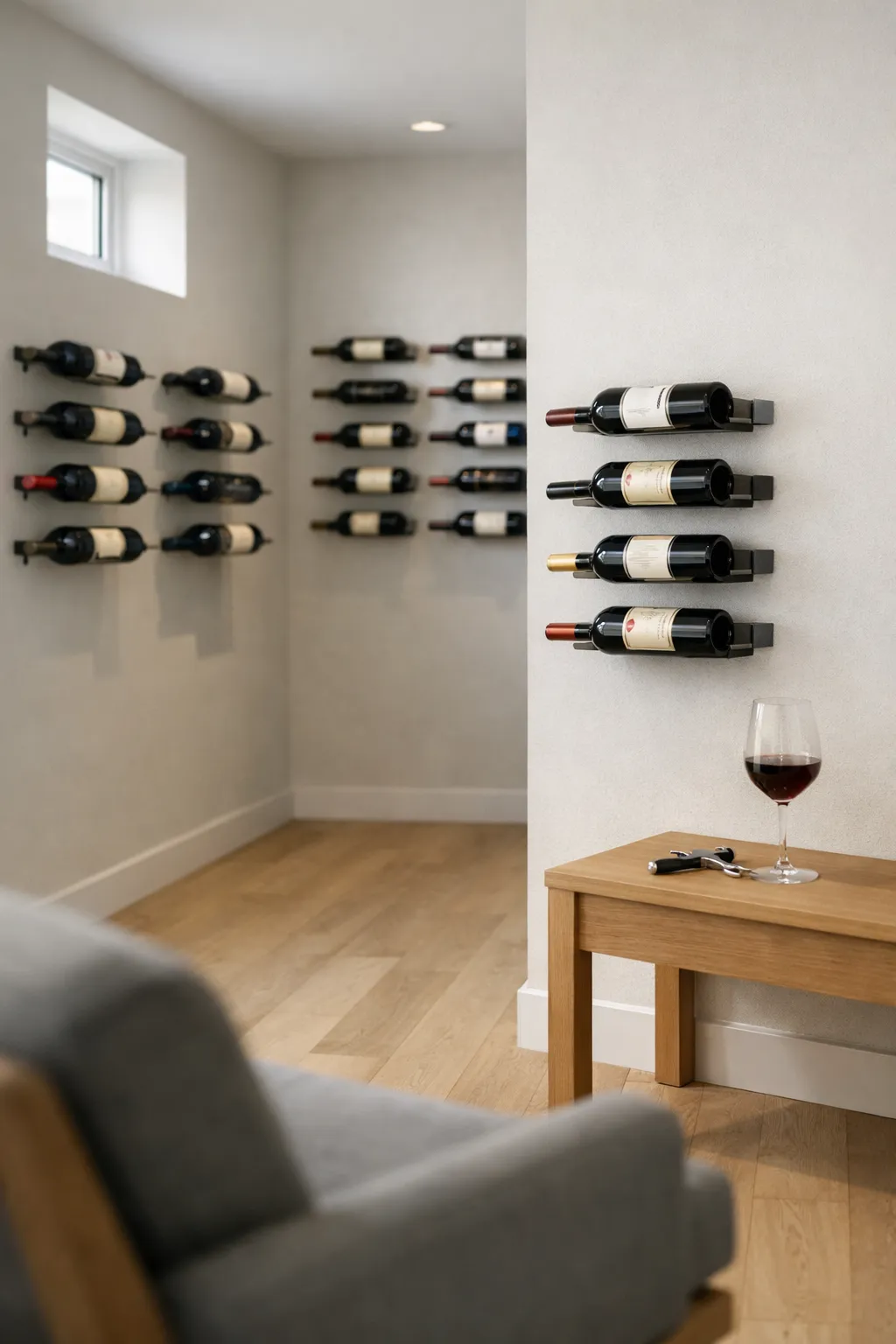
8. Minimalist Floating Rack Wine Cellar
Minimalist wine cellars focus on simplicity and clean design. Floating racks mounted directly to the wall allow bottles to appear suspended in the air.
These racks are often made from metal with black or brushed steel finishes. The simple structure draws attention to the bottles themselves.
Neutral walls help keep the space calm and uncluttered while emphasizing the wine collection.
This design works well in modern homes with minimalist interiors.
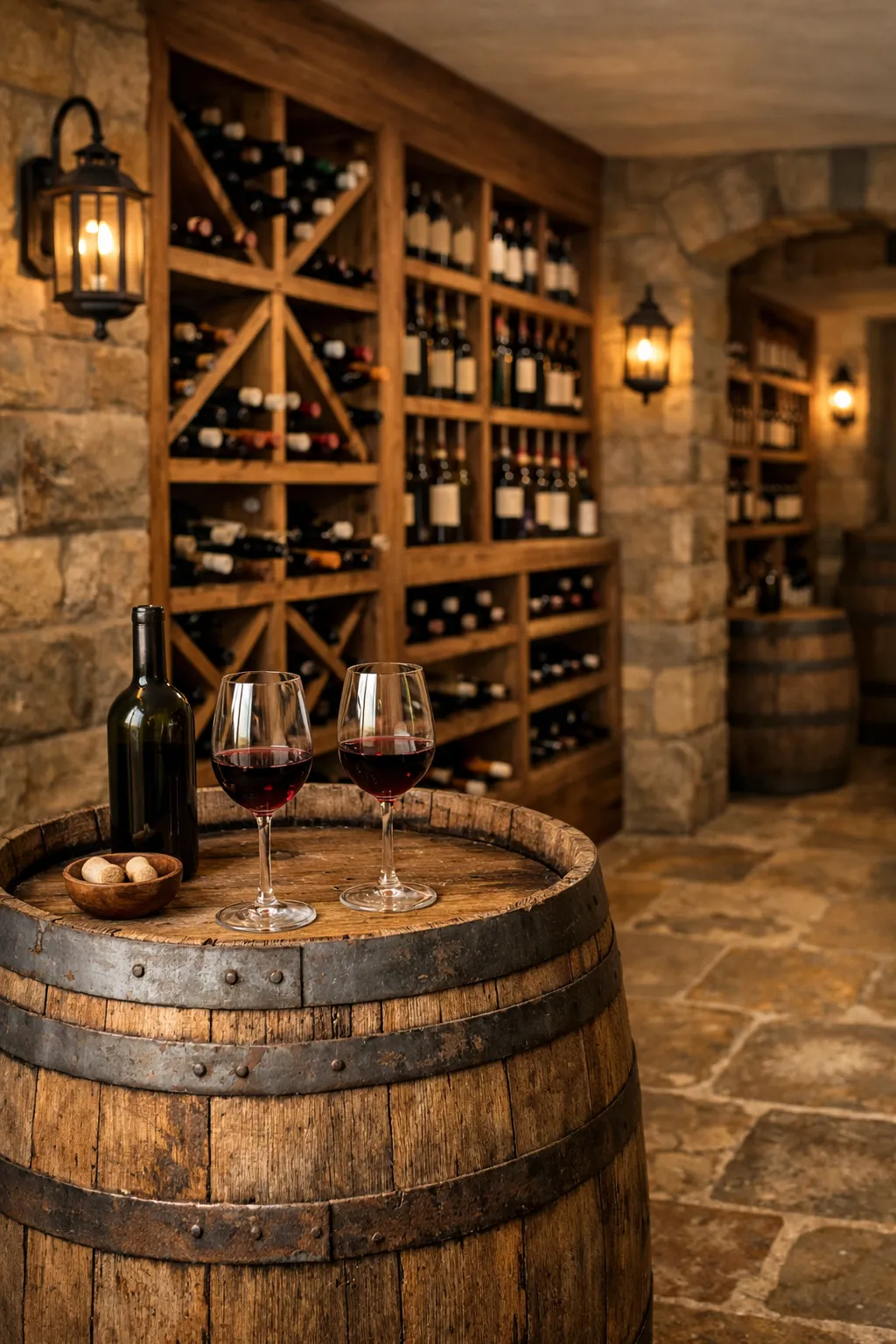
9. Barrel-Themed Wine Cellar
Wine barrels provide inspiration for a cellar design that celebrates traditional winemaking culture. Reclaimed barrels can be used as tables, decorative elements, or even rack supports.
The curved shapes and rich wood tones of barrels add warmth and character to the basement.
Soft lighting enhances the rustic feel while highlighting the natural wood textures.
This design creates a welcoming environment for small wine tastings or relaxed gatherings.
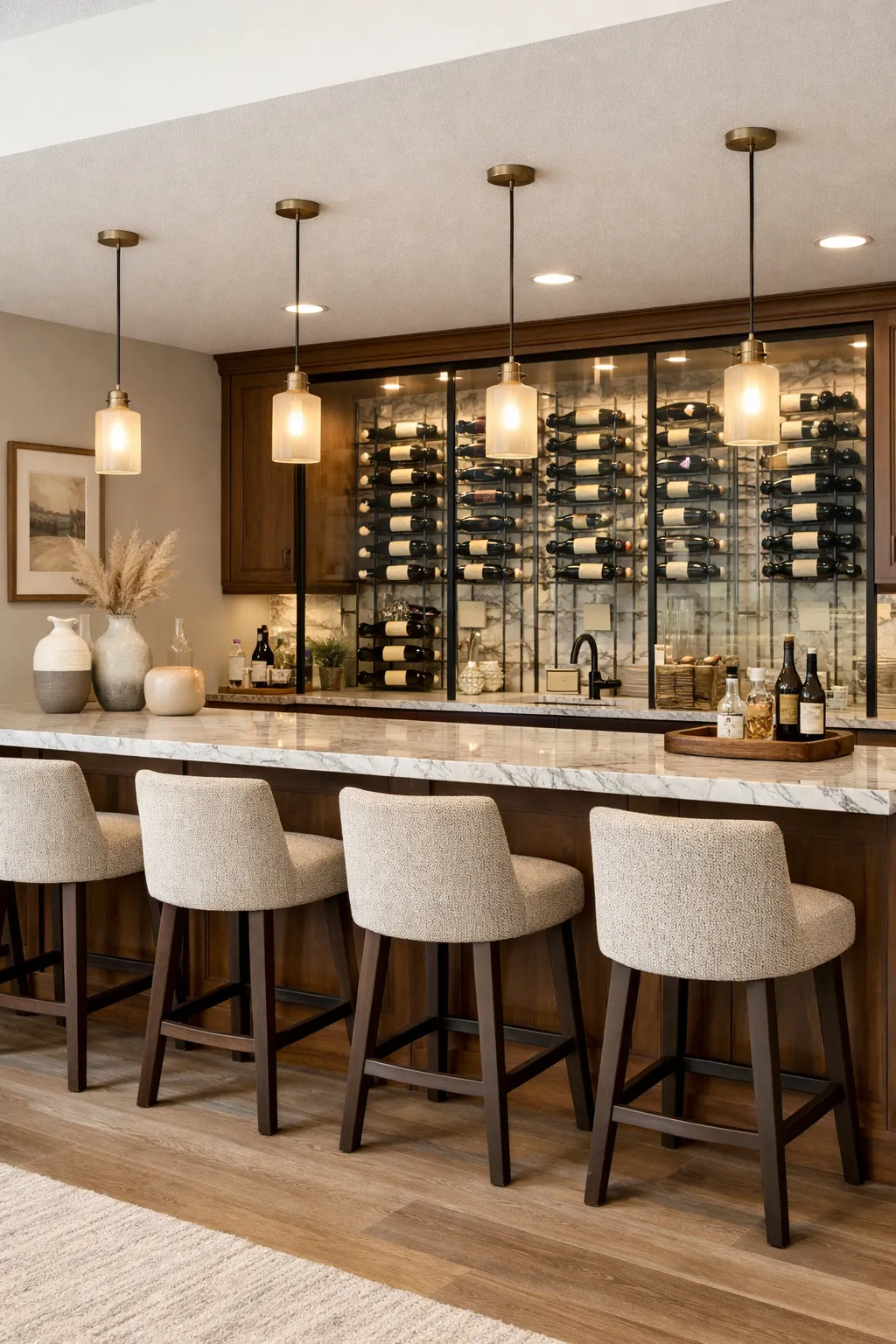
10. Basement Wine Cellar With Built-In Bar
Combining a wine cellar with a basement bar creates a perfect entertainment space. Guests can enjoy wine while sitting at the bar while the collection remains beautifully displayed nearby.
Glass wine rooms positioned behind the bar are particularly striking. Bottles become part of the backdrop while still remaining properly stored.
Wood cabinetry, pendant lighting, and bar seating complete the space.
This design blends function and social atmosphere.
11. Hidden Door Wine Cellar
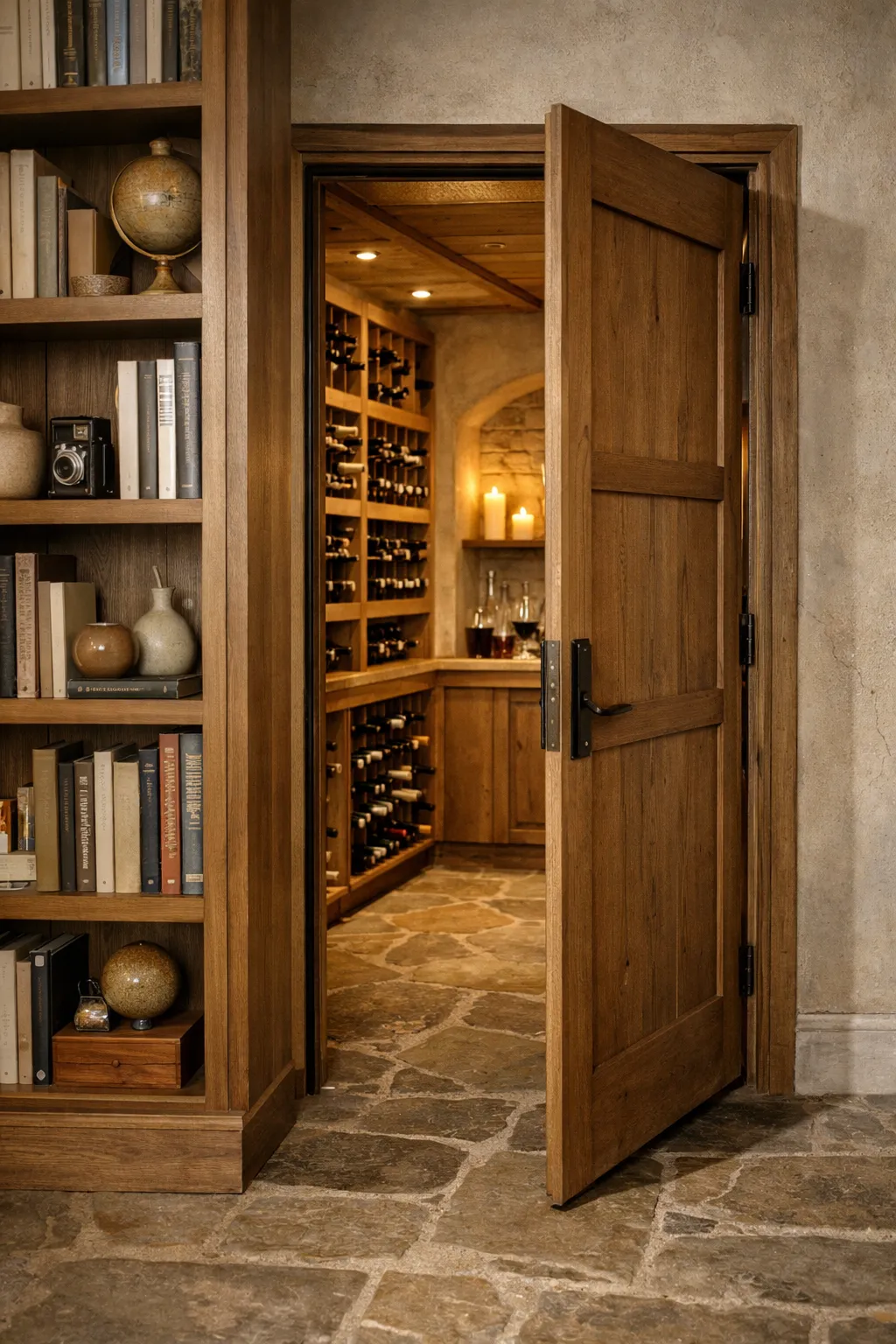
Hidden wine cellars add a playful and intriguing element to basement design. Instead of a traditional door, the cellar entrance may be concealed behind a bookshelf or wall panel.
Once opened, the hidden space reveals rows of carefully stored wine bottles.
This approach creates a sense of discovery and makes the cellar feel special.
Hidden doors can also help maintain stable storage conditions by limiting airflow and light exposure.
Wine Cellar Design Comparison
| Design Style | Best For | Storage Capacity |
|---|---|---|
| Classic Wooden Cellar | Traditional collectors | 200–800 bottles |
| Glass Wine Room | Modern basements | 100–400 bottles |
| Rustic Stone Cellar | Old-world atmosphere | 300–700 bottles |
| Under-Stair Cellar | Small basements | 50–200 bottles |
| Wine Storage Wall | Casual collectors | 40–150 bottles |
| Walk-In Luxury Cellar | Serious collectors | 500+ bottles |
These styles show how basement wine cellars can range from compact design features to fully dedicated wine rooms.
12. Contemporary Glass Wine Wall
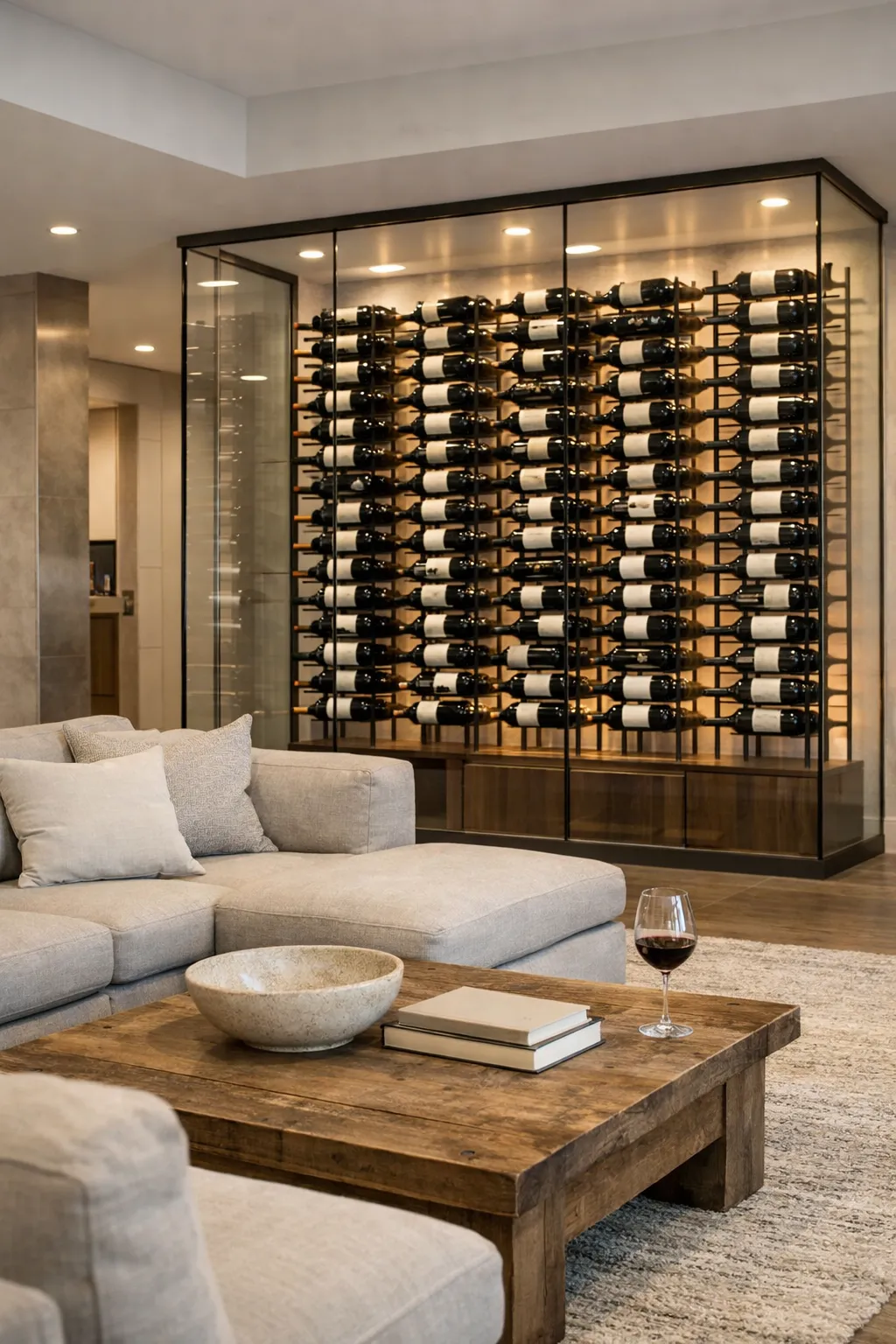
A contemporary glass wine wall transforms wine storage into a striking design feature inside a finished basement. Instead of a traditional room, bottles are displayed vertically behind floor-to-ceiling glass panels.
Slim metal racks hold bottles horizontally while allowing labels to remain visible. This style often appears along a hallway, near a basement lounge, or beside a home bar.
Lighting plays a major role in this design. Soft LED backlighting gently highlights the bottles while keeping the space calm and inviting.
The glass enclosure also helps maintain stable temperature conditions while preventing dust from settling on bottles.
This design works well in modern homes where the wine collection becomes part of the overall aesthetic.
13. Arched Stone Wine Cellar
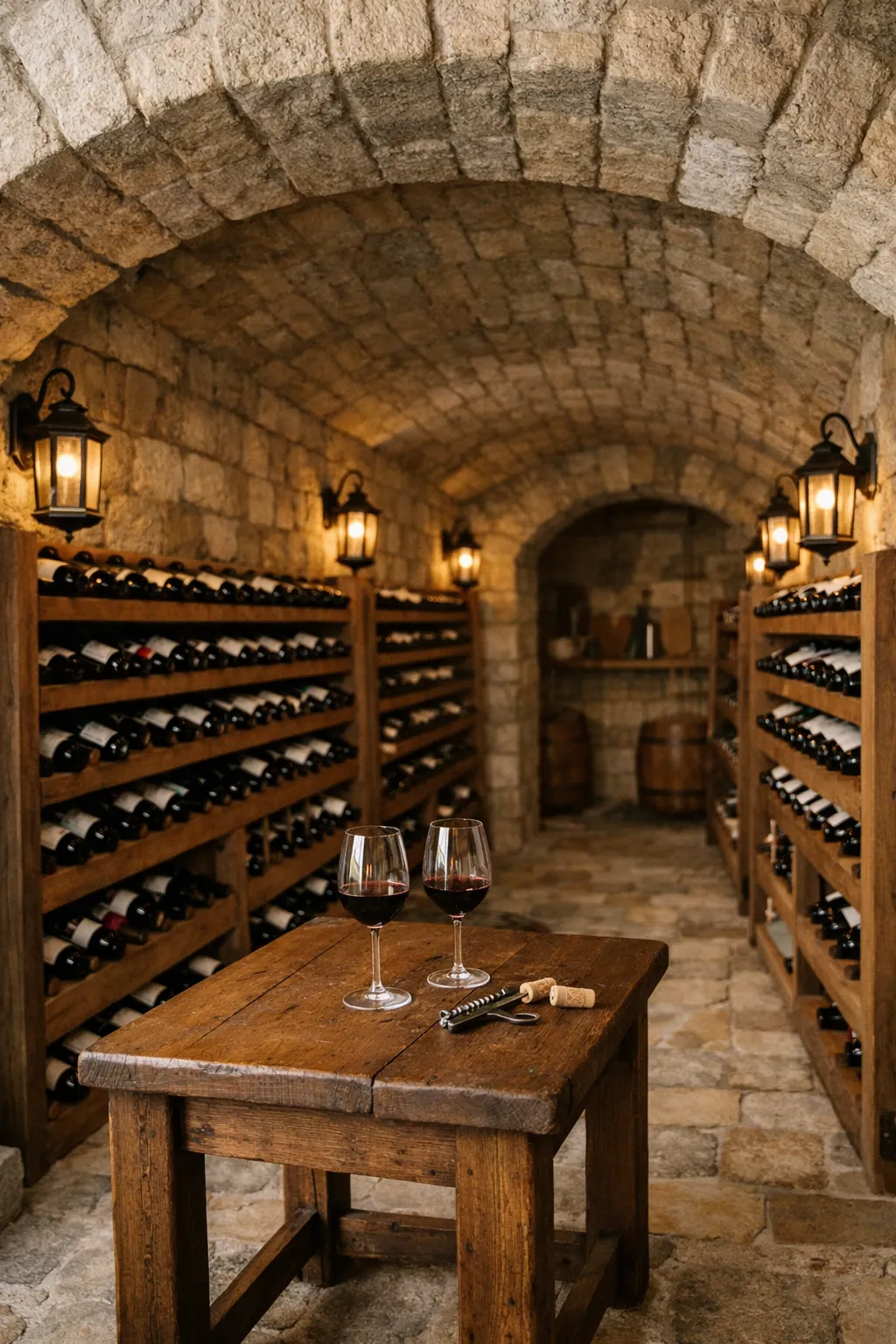
Arched ceilings instantly create a cellar that feels historic and elegant. Even in modern homes, adding an arched brick or stone ceiling can give a basement wine cellar a timeless character.
Stone or brick walls combined with warm wooden racks create a balanced mix of textures. The arch helps distribute lighting evenly while making the room feel cozy.
Many homeowners add antique-style lantern lighting or wrought iron chandeliers to enhance the atmosphere.
This design works particularly well for collectors who want their cellar to feel like a traditional European wine cave.
14. Wine Cellar With Tasting Lounge
Some homeowners design their basement wine cellar as a full experience rather than just a storage room. A tasting lounge combines comfortable seating with surrounding wine racks.
Soft armchairs, a small coffee table, and warm lighting create a relaxed environment where guests can sample different bottles.
The racks often line the walls while a seating area sits in the center or near one side of the room.
This type of cellar works well for those who enjoy hosting wine nights or small gatherings with friends.
15. Floor-To-Ceiling Display Wine Cellar
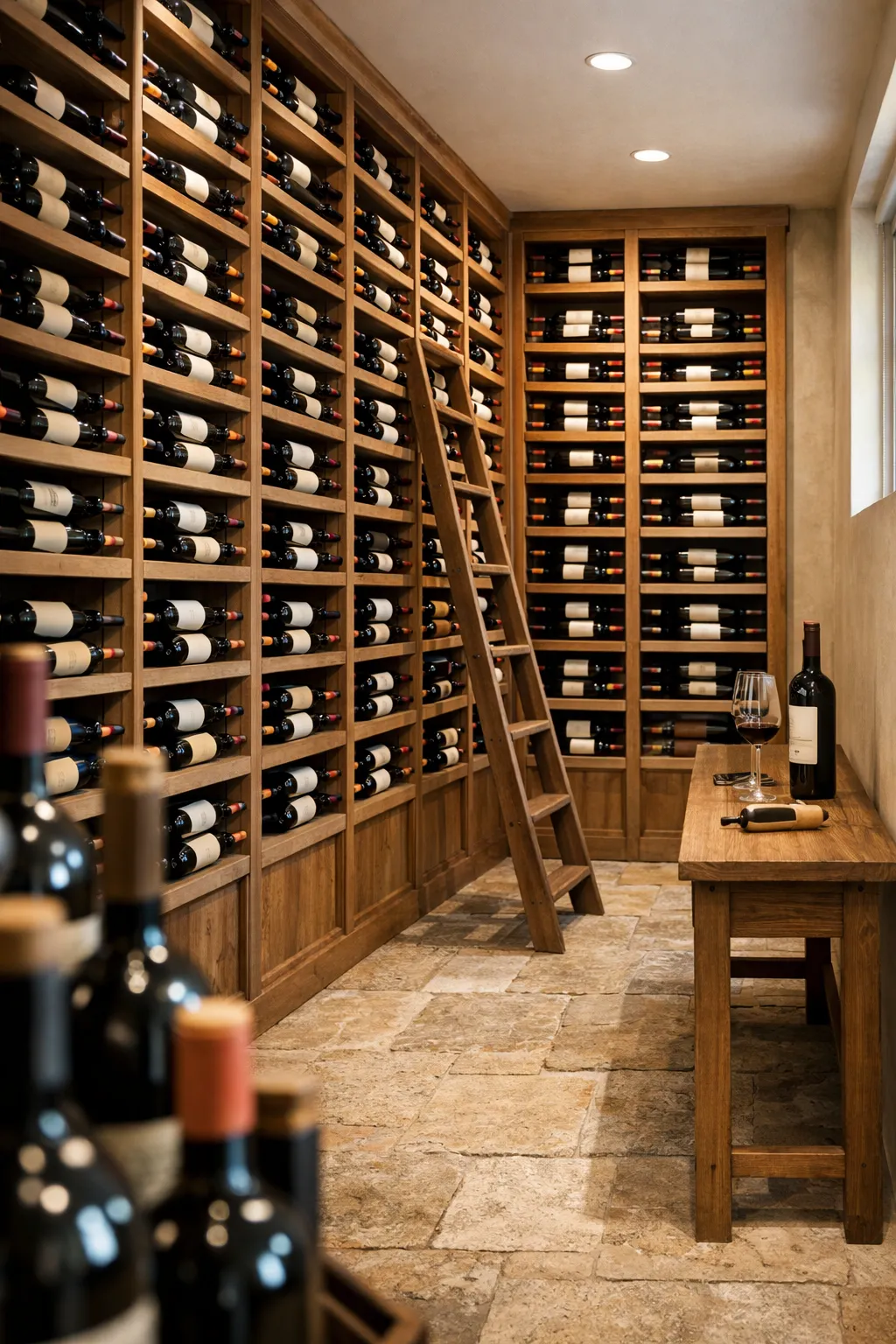
A floor-to-ceiling wine display creates a dramatic visual impact in the basement. Tall racks extend upward to maximize storage while creating a striking wall of bottles.
Glass doors often enclose the space to maintain proper climate control.
Lighting installed between rack sections gently illuminates each row of bottles without exposing them to direct heat.
This design is especially appealing for collectors who want to display their wine collection proudly.
16. Corner Wine Cellar Design
Basement layouts sometimes leave awkward corners that are difficult to decorate. A corner wine cellar turns that unused space into something functional and stylish.
Two intersecting walls are fitted with racks while a glass door seals the area. The result is a compact cellar that blends smoothly into the room.
Corner cellars are often built near basement bars or entertainment areas for convenience.
Despite their smaller size, they can still store a significant number of bottles.
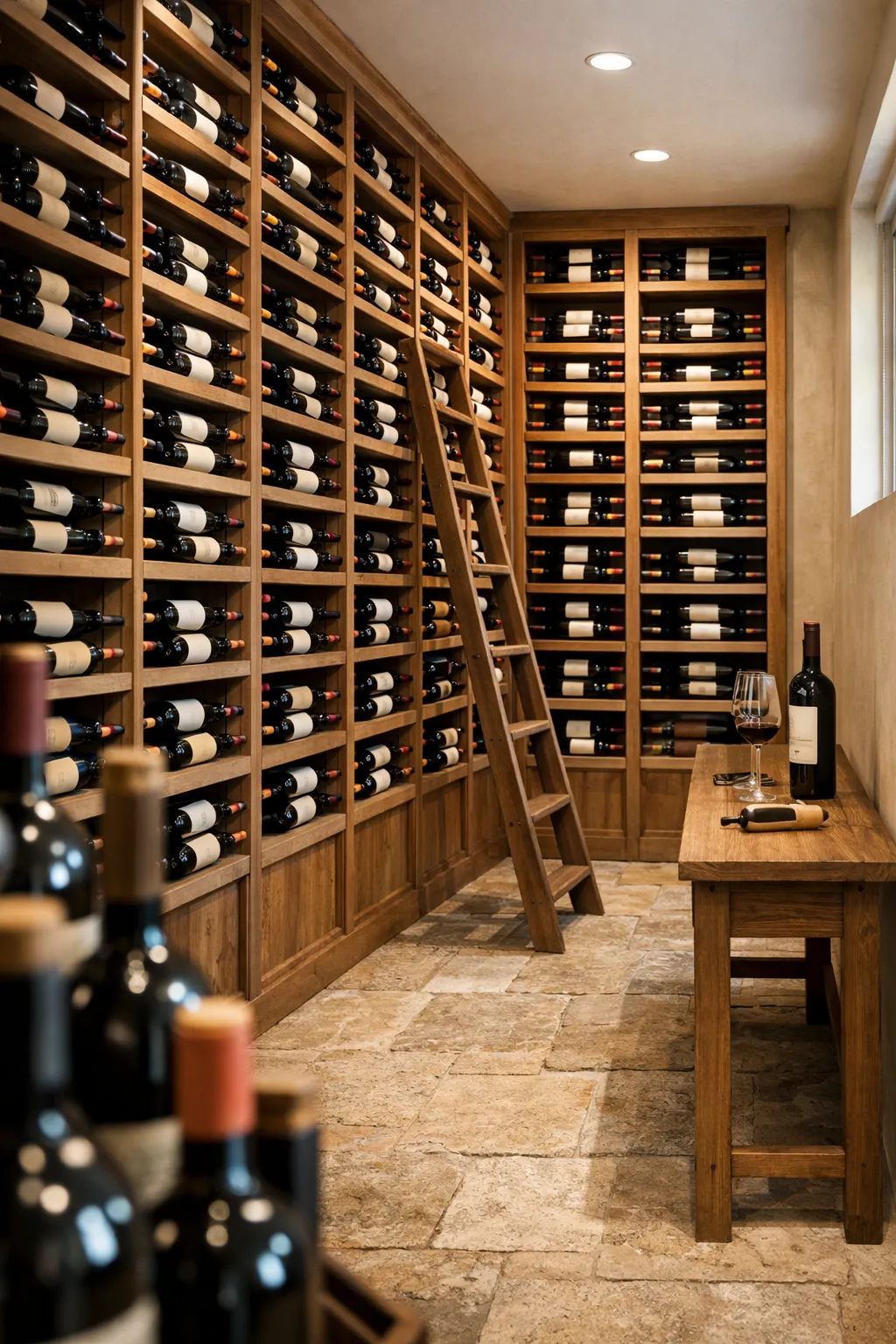
17. Wine Cellar With Brick Accent Walls
Brick walls add warmth and texture to a basement wine cellar. Whether using real brick or thin brick veneer, the result is a space that feels rustic yet refined.
Dark wood racks contrast beautifully with red or neutral brick tones.
Soft wall lighting highlights the texture of the brick while keeping the atmosphere relaxed.
This design pairs especially well with industrial or farmhouse-inspired basements.
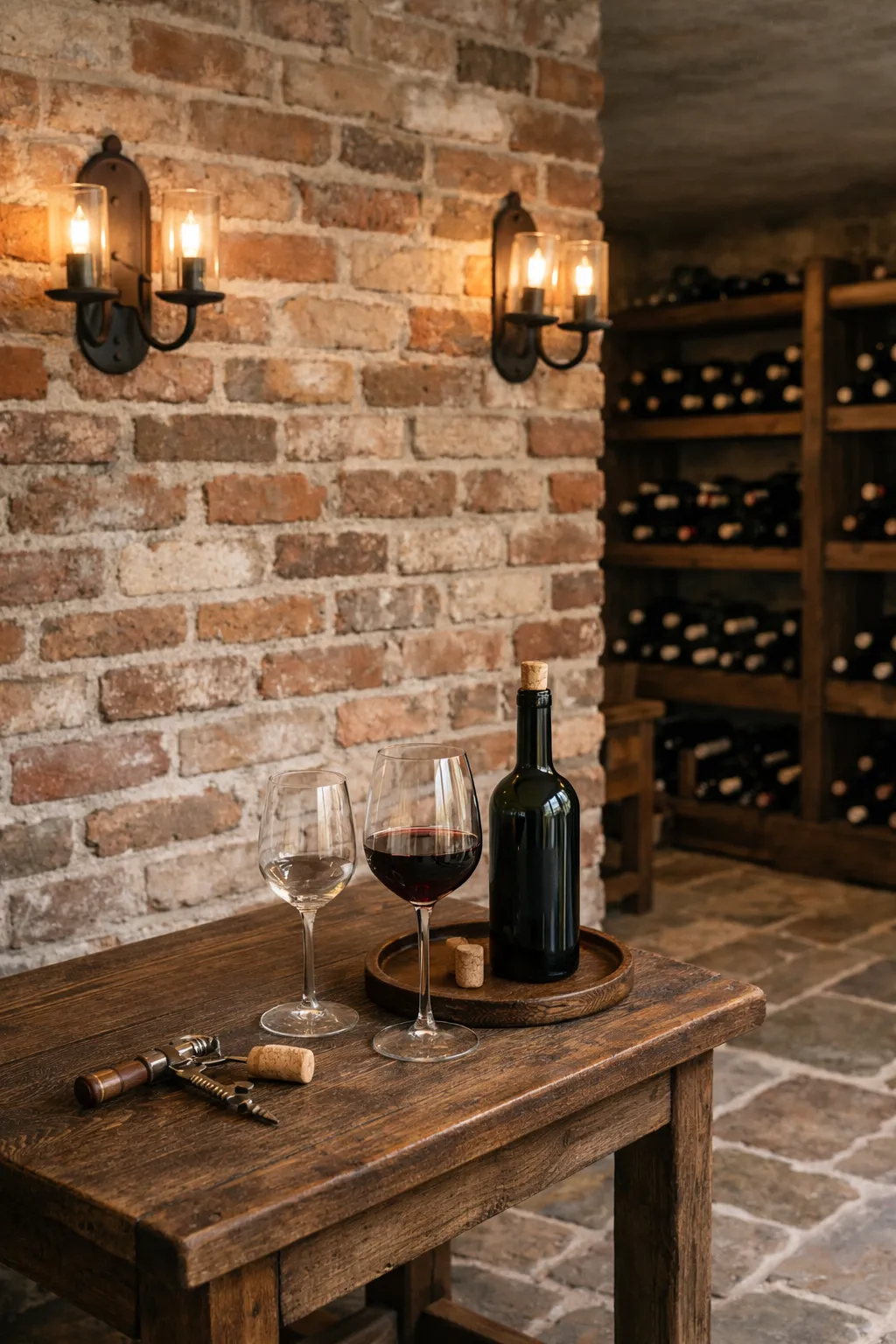
18. Custom Cabinet Wine Cellar
Some homeowners prefer wine storage that blends seamlessly with built-in cabinetry. Custom wine cabinets allow bottles to be stored alongside barware, glasses, and accessories.
Cabinet doors may include glass inserts so bottles remain visible.
This approach works well in basements where the wine collection is integrated into a full bar or entertainment wall.
It provides a polished look while keeping everything organized.
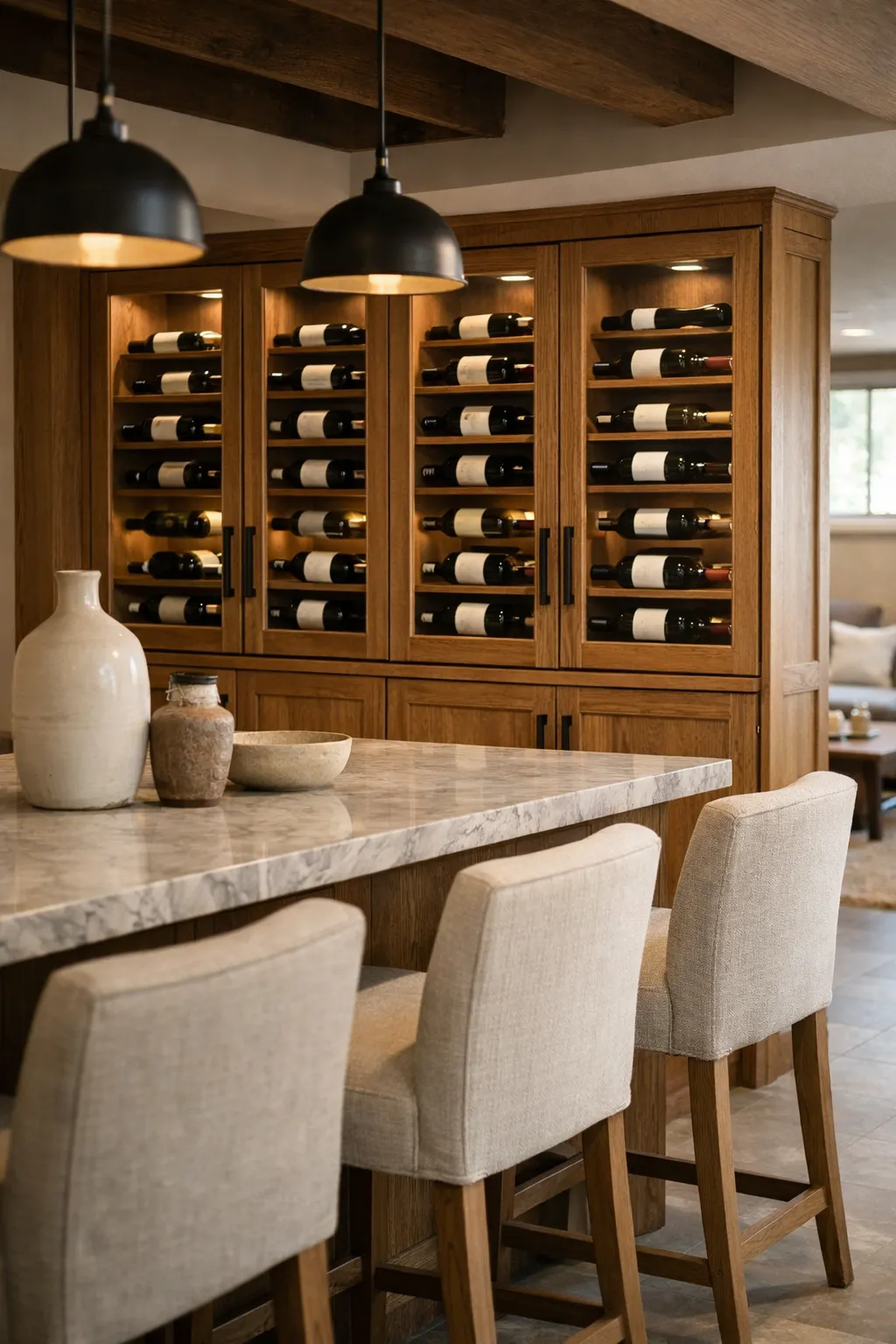
19. Vintage Style Wine Cellar
A vintage-inspired wine cellar celebrates traditional wine culture through aged materials and classic details.
Antique wood racks, wrought iron accents, and dim warm lighting help create a nostalgic environment.
Decorative elements such as framed vineyard artwork or old wine crates add personality to the room.
The overall atmosphere feels intimate and relaxed, making it perfect for quiet evenings with a favorite bottle.
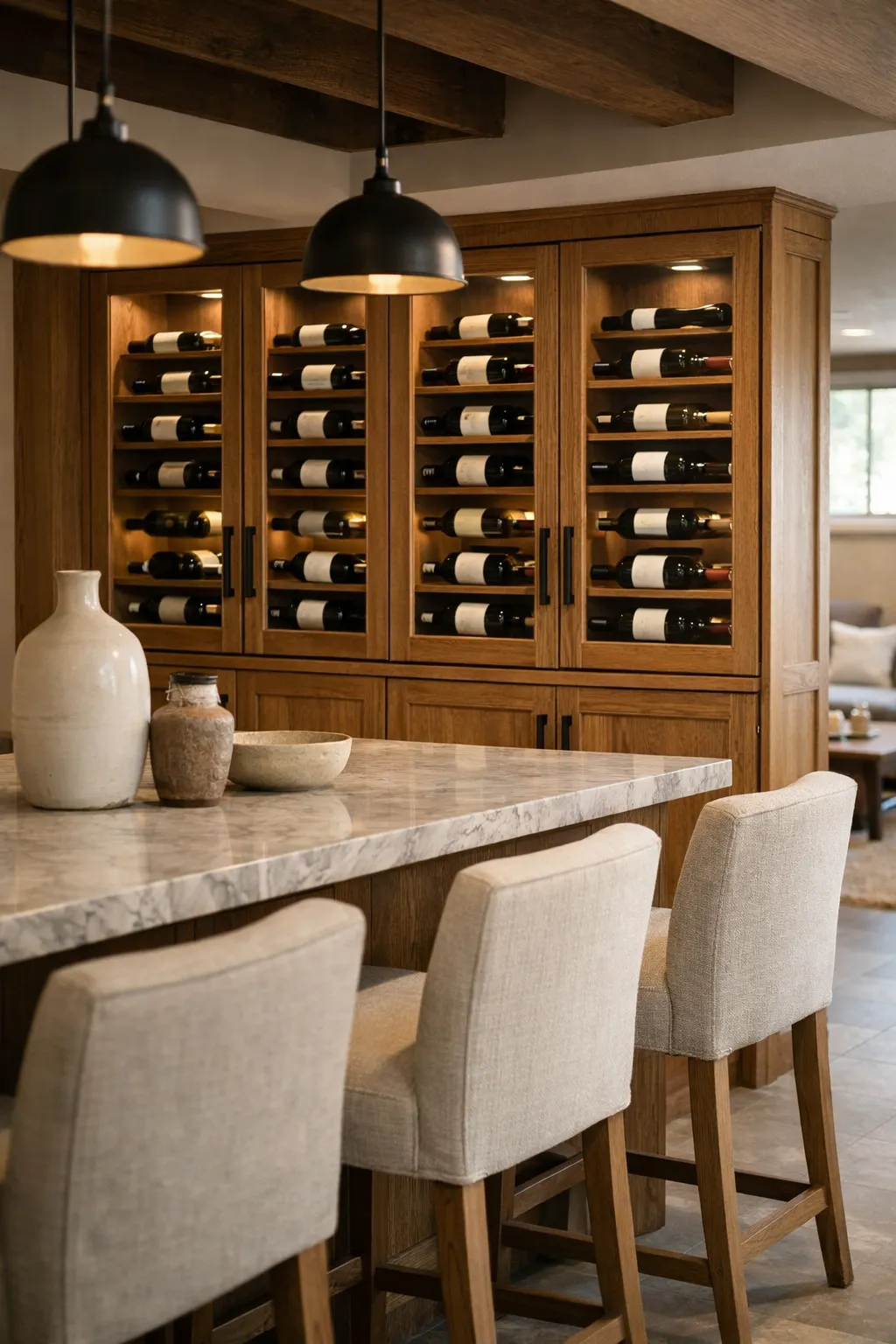
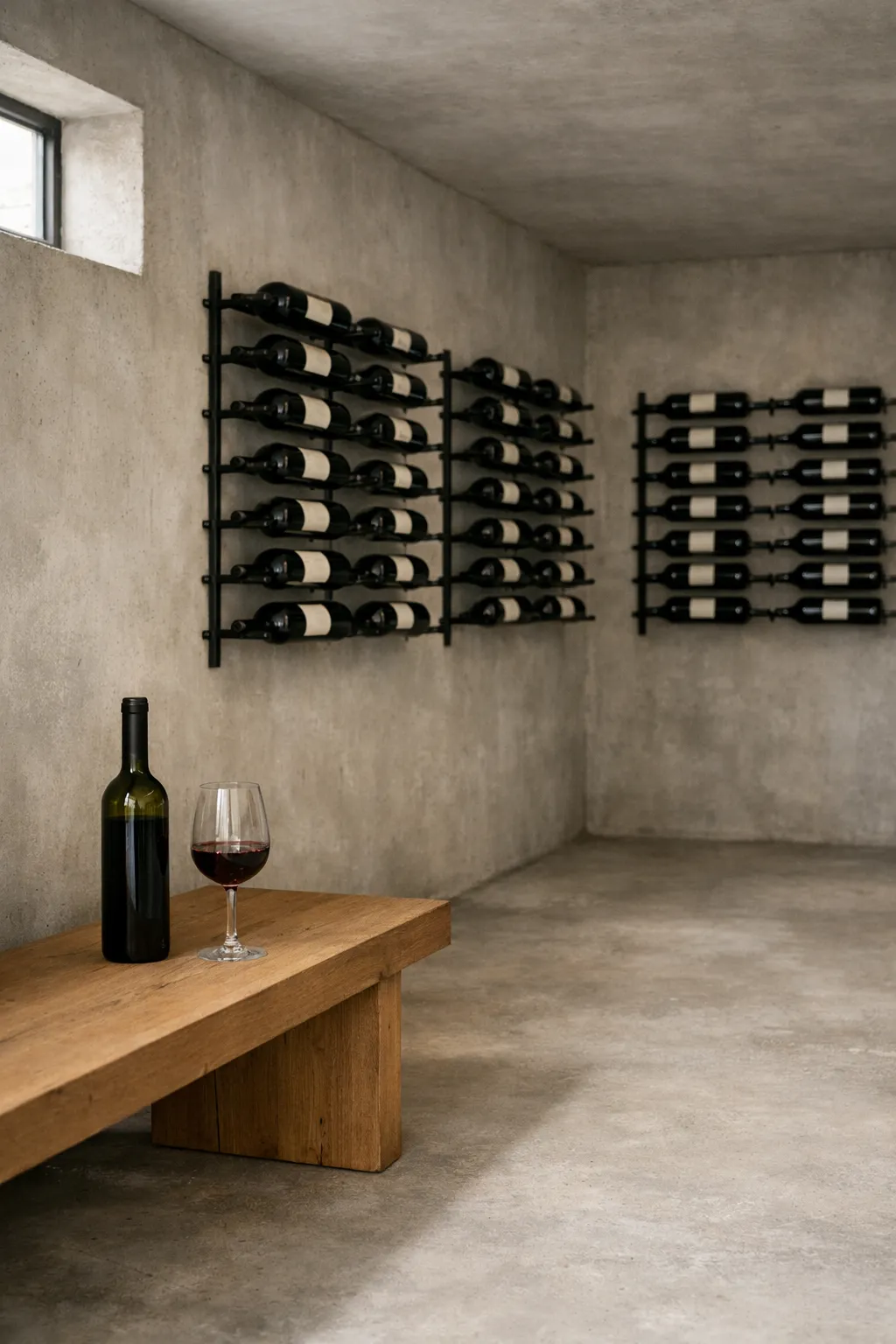
20. Minimalist Concrete Wine Cellar
For modern homes, a minimalist concrete wine cellar offers a bold yet simple design. Smooth concrete walls and floors create a clean architectural space.
Metal racks mounted against the concrete provide storage while maintaining the minimalist aesthetic.
Lighting remains subtle and soft to avoid overpowering the space.
This style works especially well in contemporary basements with modern design themes.
21. Temperature-Controlled Collector’s Wine Cellar
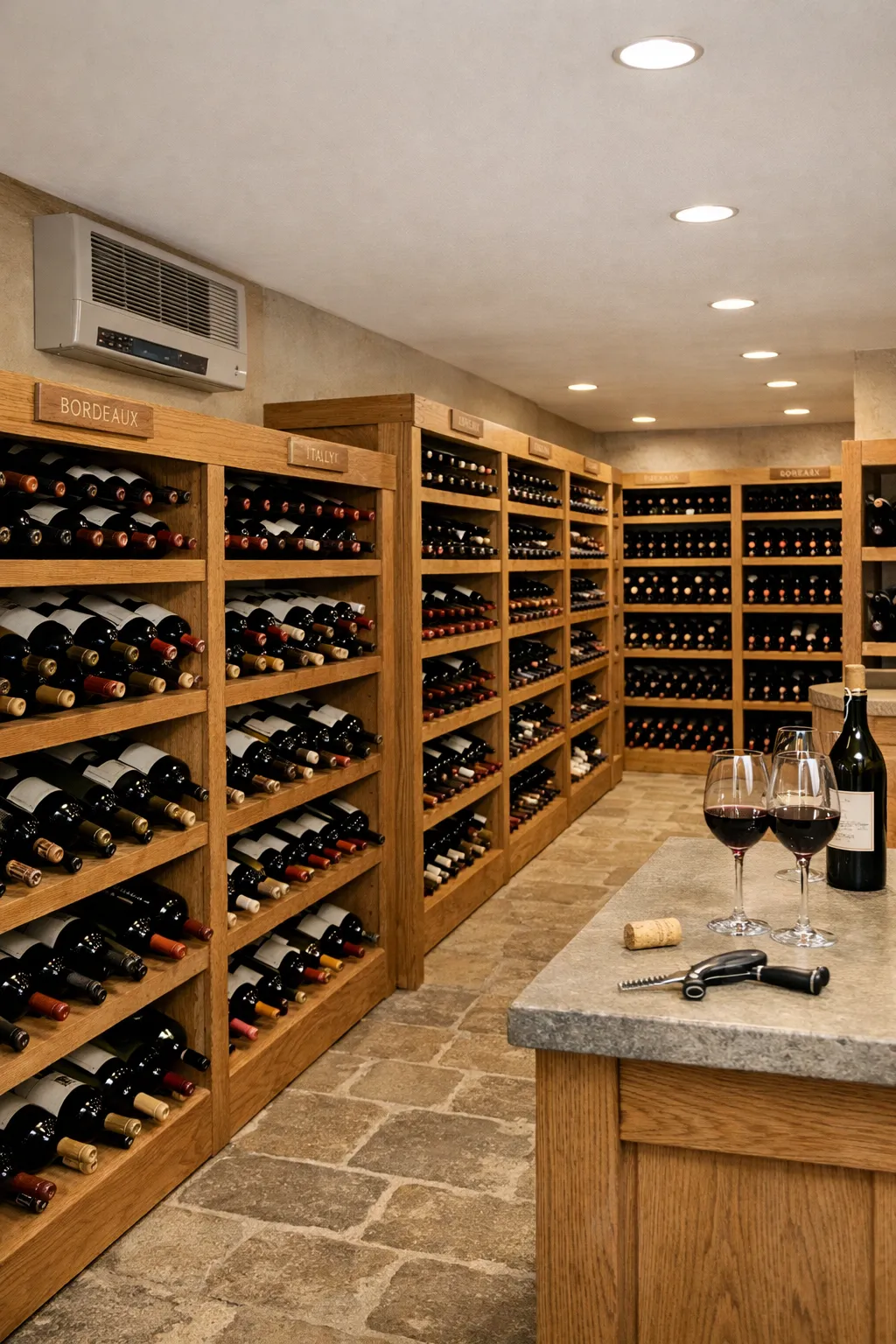
Serious collectors often invest in fully climate-controlled wine cellars designed for long-term aging.
These cellars include professional cooling systems that maintain a stable temperature and humidity level.
Wood racks are carefully arranged to store bottles in organized categories such as vintage, region, or varietal.
Glass doors seal the room while allowing the collection to remain visible.
For collectors with large wine inventories, this type of cellar provides both protection and organization.
22. Wine Cellar Integrated With Entertainment Basement
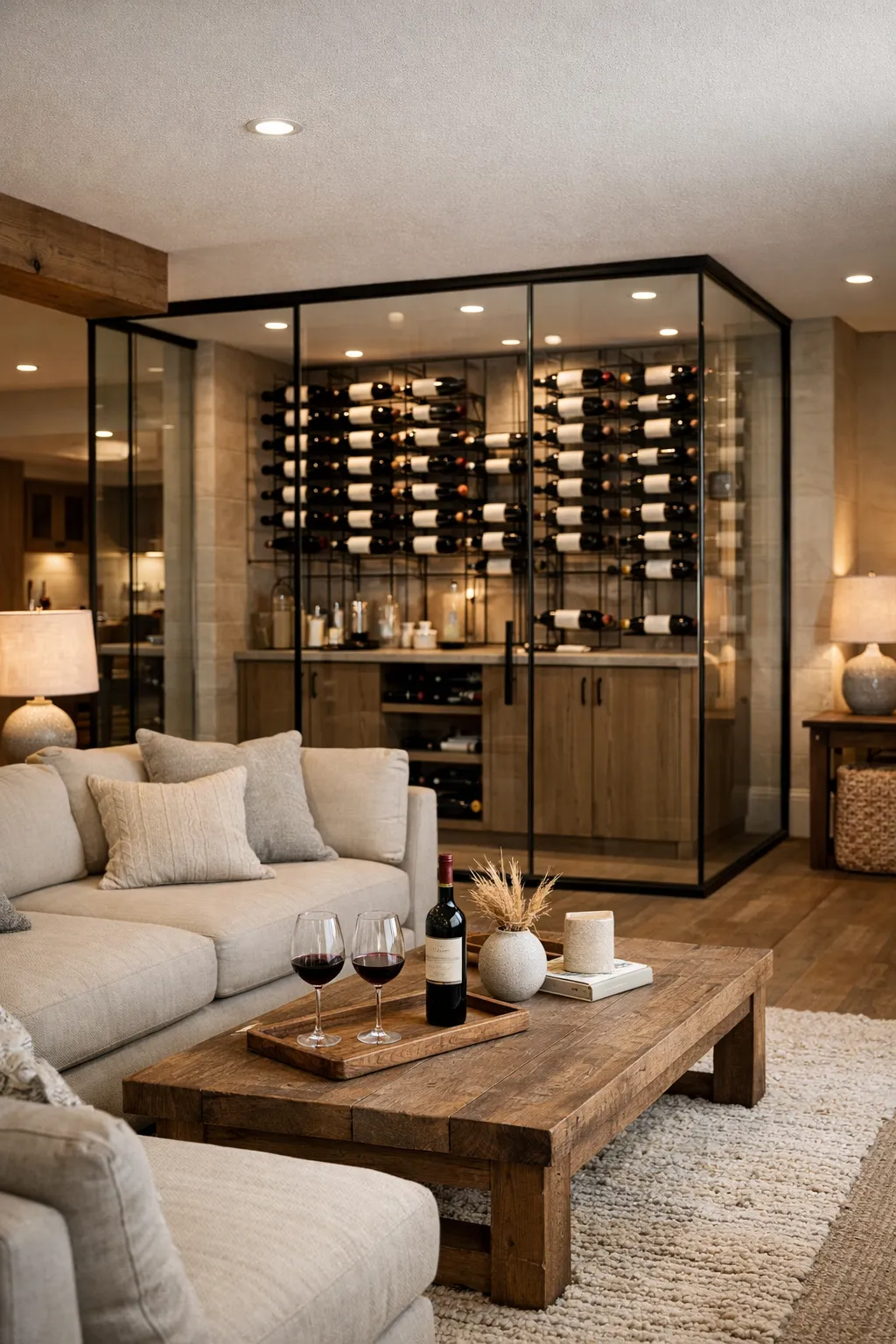
Many modern basements serve multiple purposes including home theaters, game rooms, and lounges. Integrating a wine cellar into this environment creates a sophisticated entertainment area.
Glass wine rooms positioned beside a bar or lounge allow guests to admire the collection while enjoying the space.
Soft lighting, comfortable seating, and stylish racks turn the cellar into a design highlight rather than a hidden storage room.
This design approach works particularly well in homes where entertaining plays a major role.
Conclusion
A basement wine cellar can be as simple or as elaborate as a homeowner chooses. Some designs focus primarily on practical storage, while others transform the cellar into a luxurious entertaining space.
The best wine cellar designs balance function and style. Proper storage conditions protect the quality of wine, while thoughtful materials and lighting create an inviting environment.
From classic wooden rack rooms to sleek glass wine displays, basement wine cellars offer endless design possibilities. Whether you have a small collection or a growing inventory, the right design can turn your basement into a space that celebrates wine in a beautiful and practical way.
With the right layout, materials, and lighting, your basement wine cellar can become one of the most memorable spaces in your home.